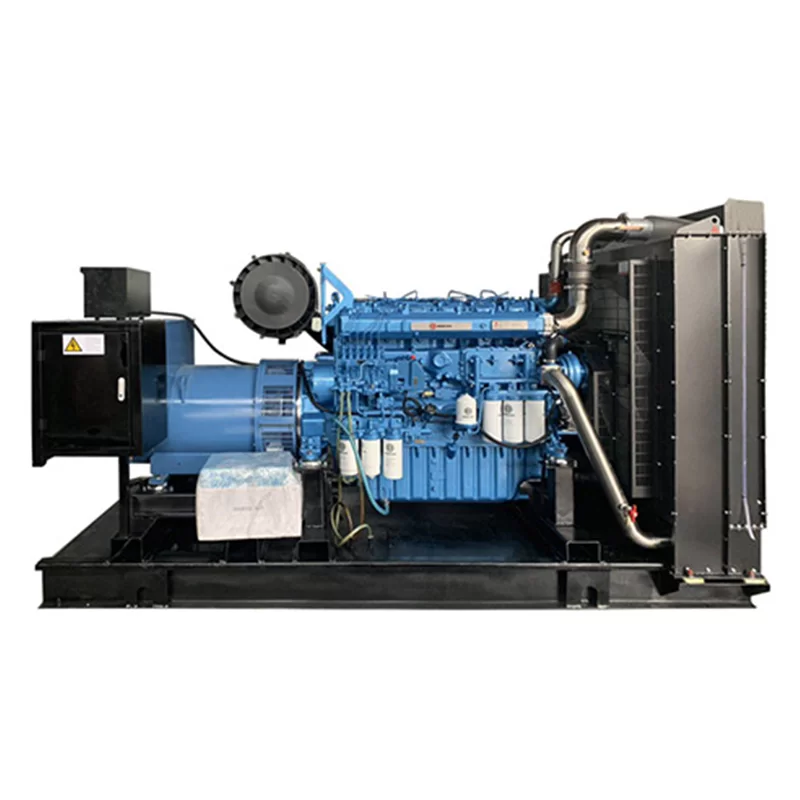
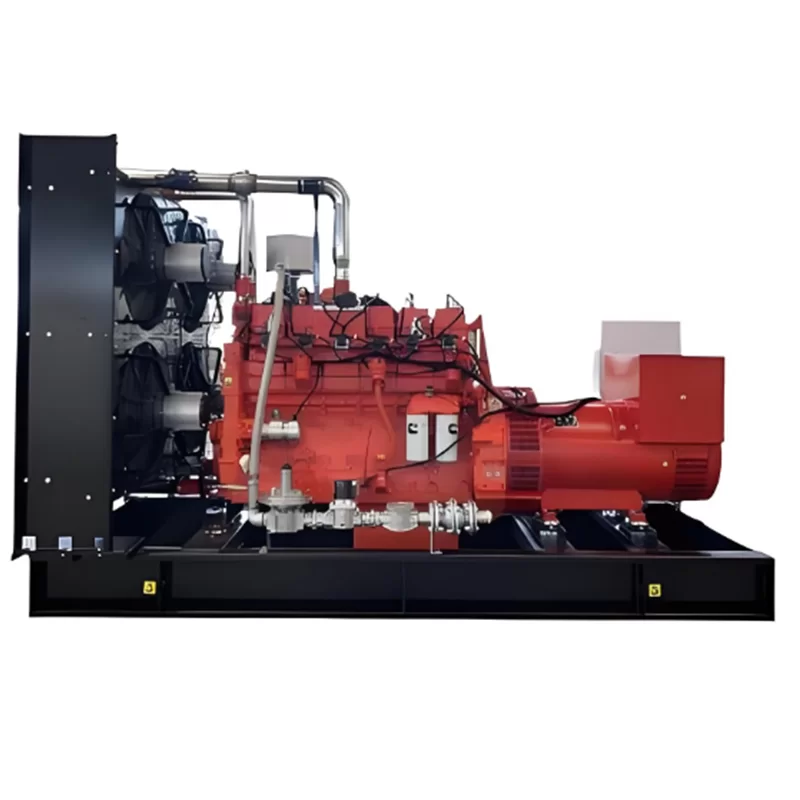
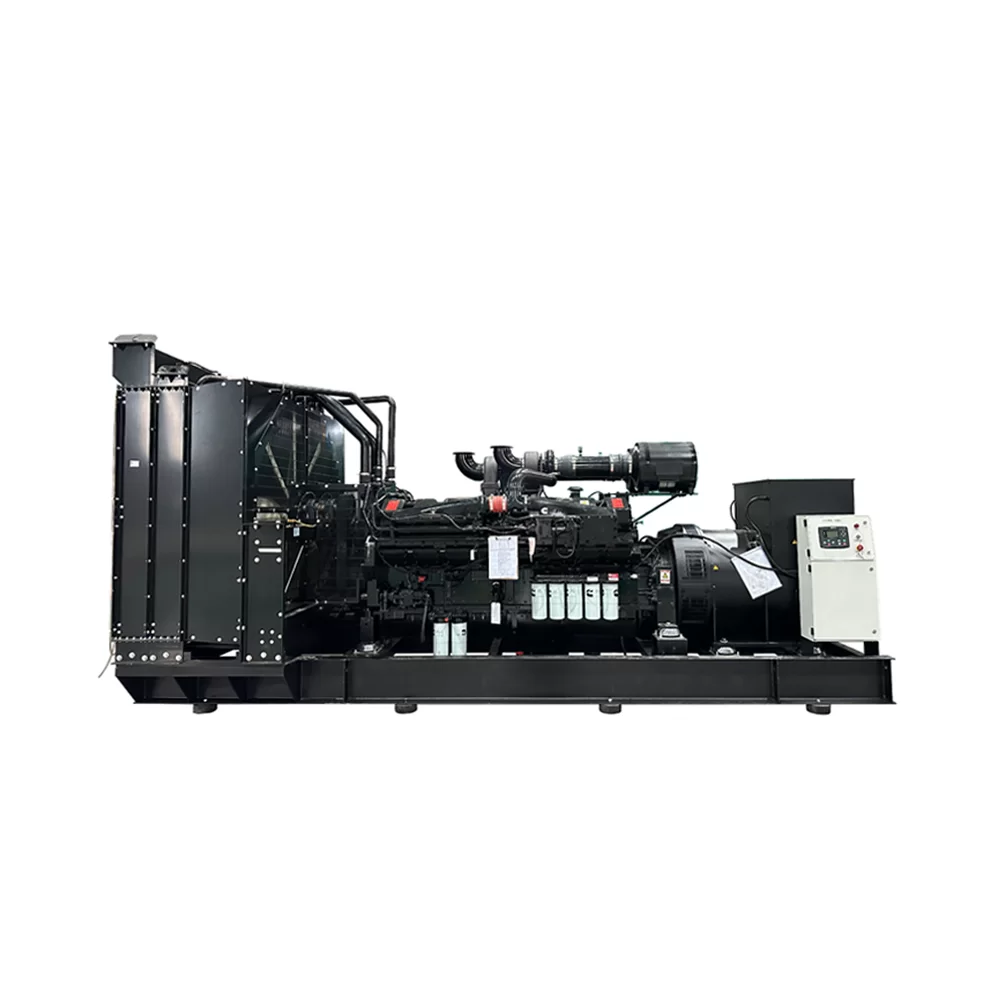
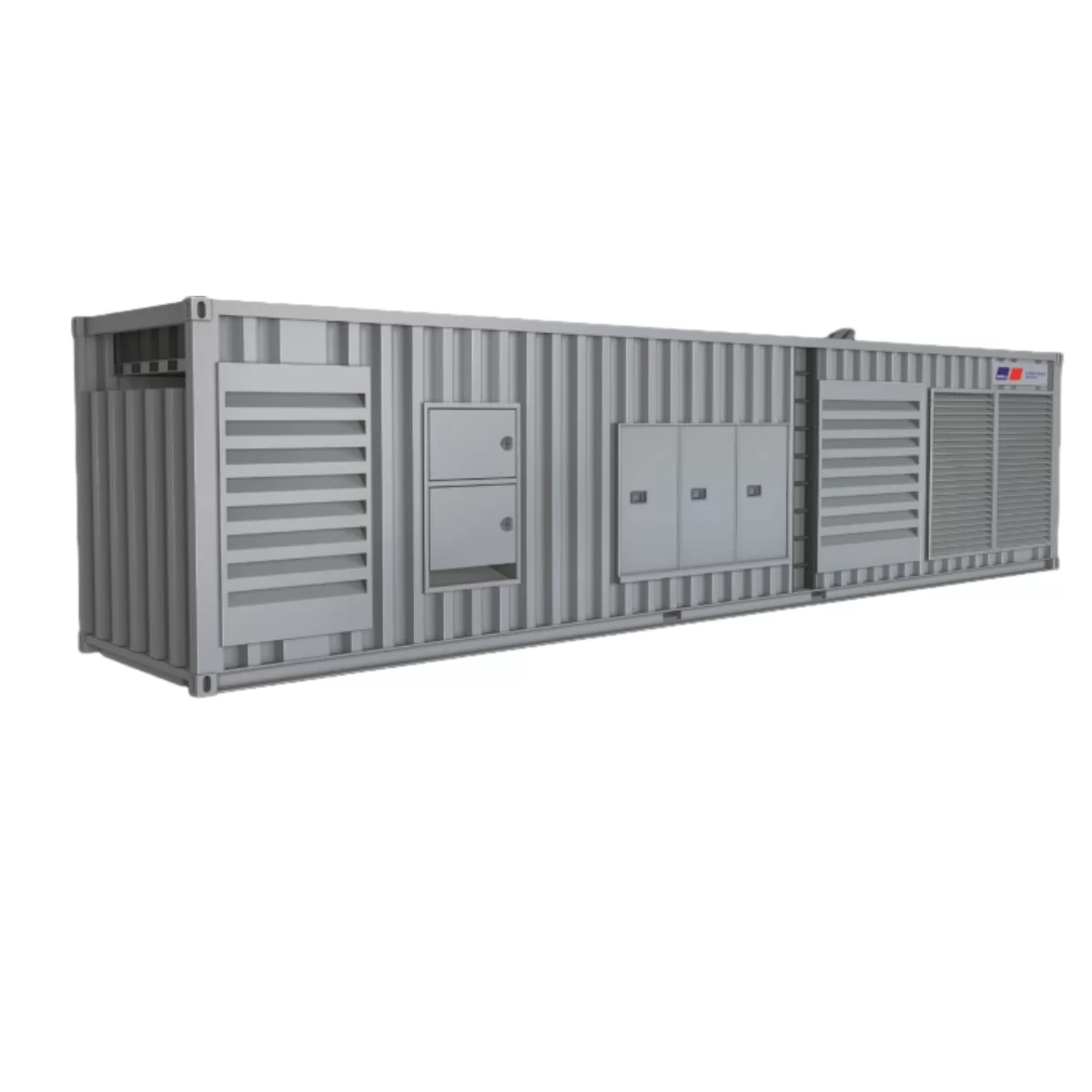
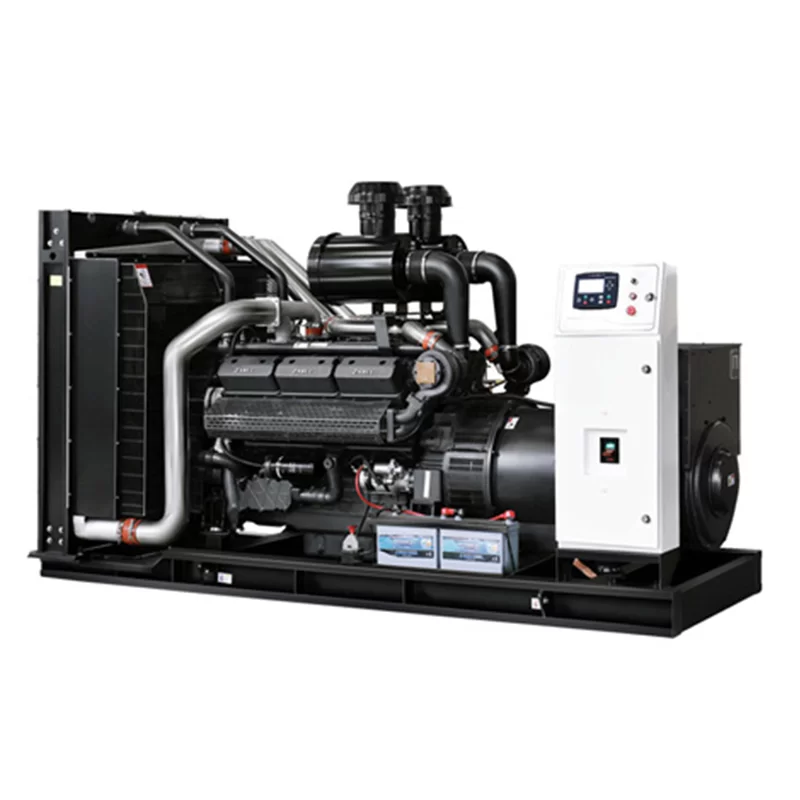
Nigeria faces persistent challenges with its national grid, characterized by frequent outages and instability. This has made the diesel generator set an essential asset for business continuity, from small retail shops in Lagos to massive manufacturing plants in Kano.
The tropical climate, marked by high humidity and extreme heat, puts significant stress on electrical machinery. Consequently, there is a growing demand for equipment that features advanced cooling systems and corrosion-resistant materials to ensure longevity in the Nigerian environment.
While solar energy is rising, the high initial cost and reliability issues for heavy-duty loads mean that a high-capacity diesel generator remains the primary choice for critical infrastructure, providing the instant torque and stability required for industrial operations.