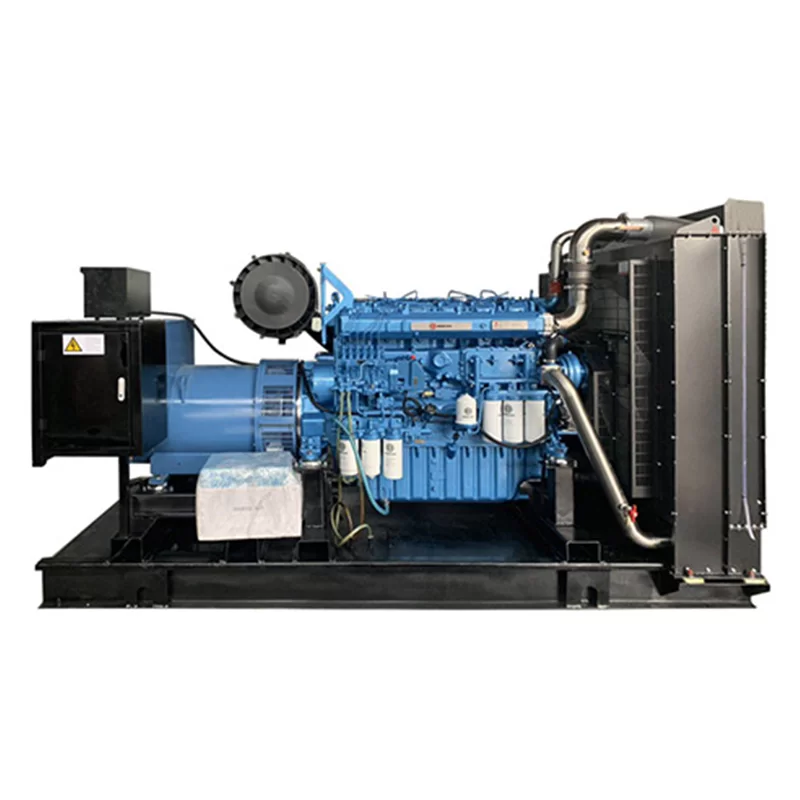
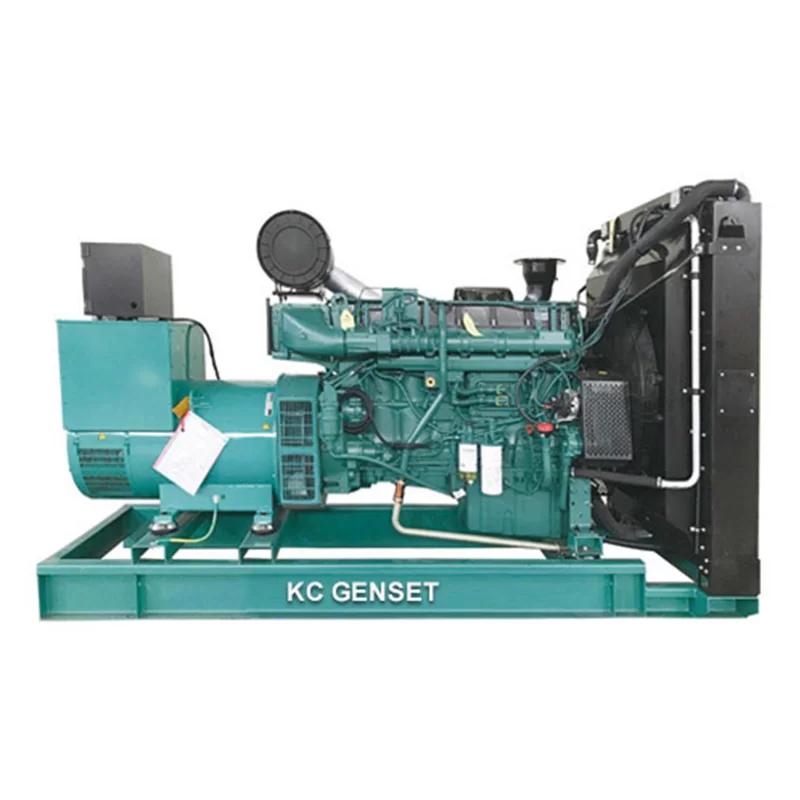
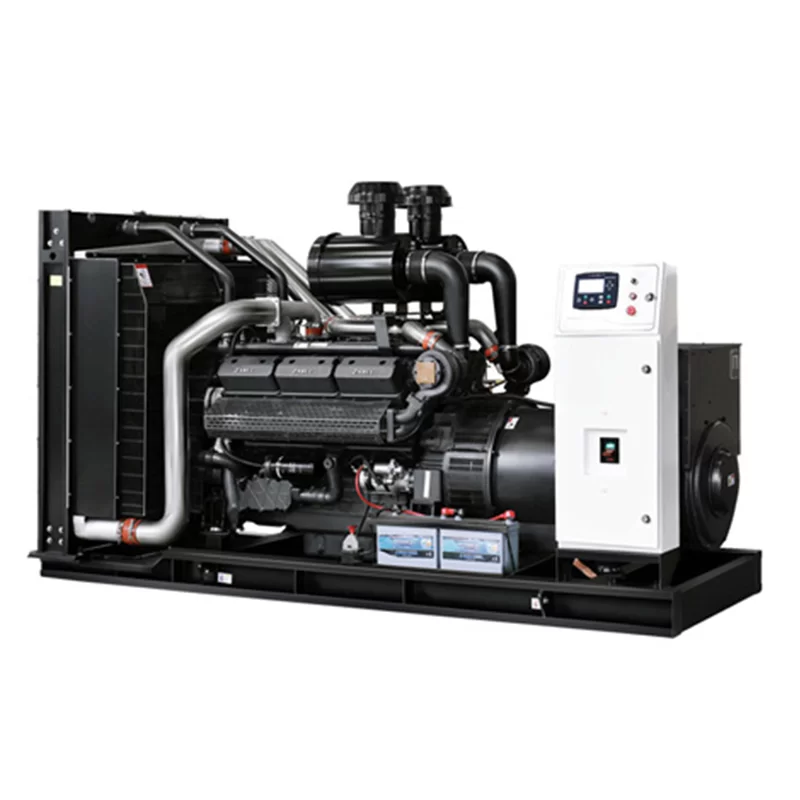
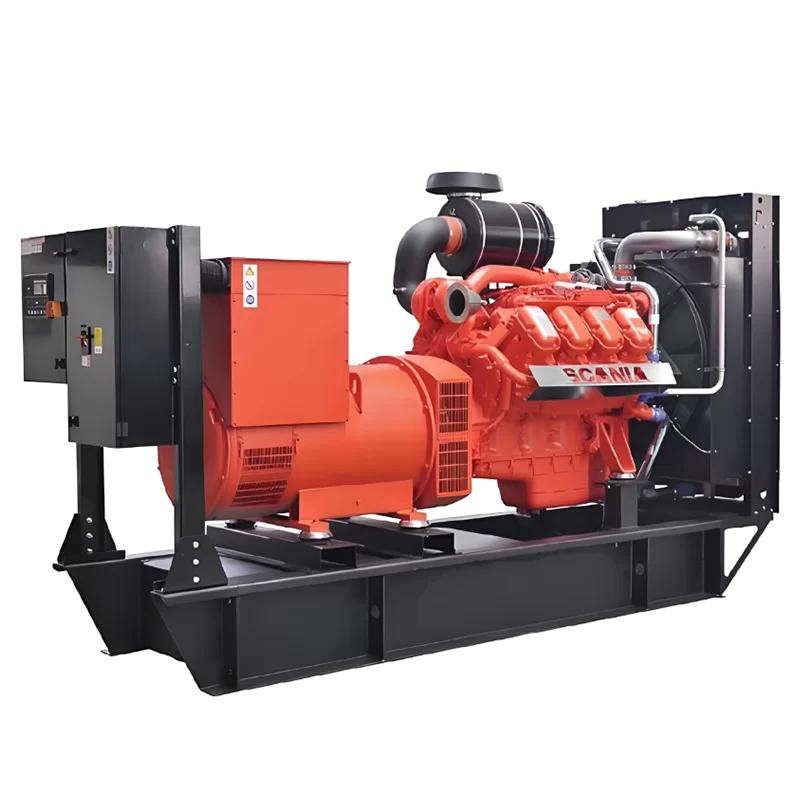
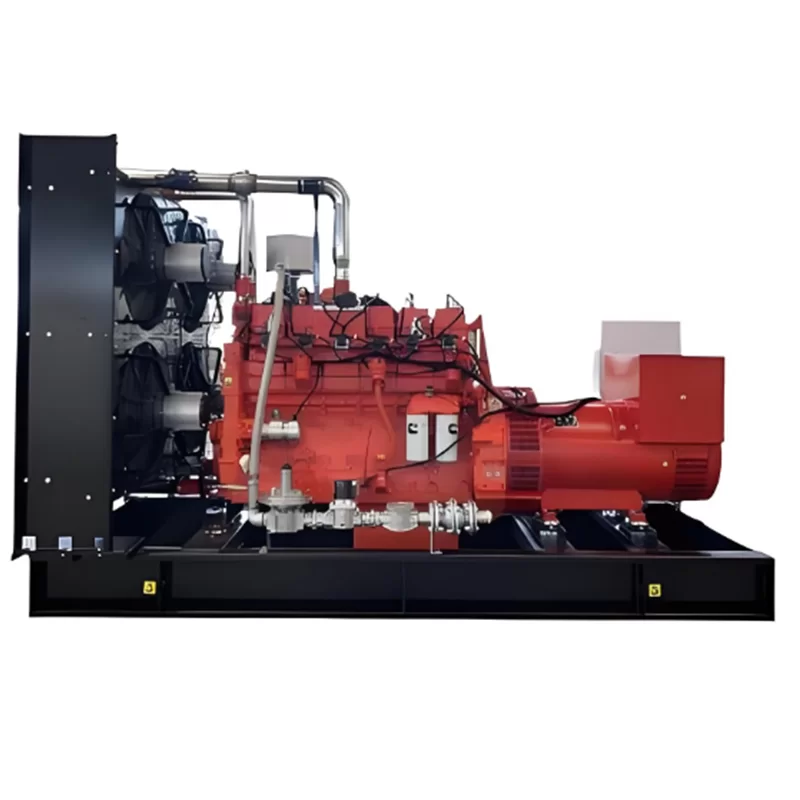
High-Performance industrial diesel generator Solutions for Netherlands

Engineering reliable power autonomy for Dutch industries, logistics hubs, and critical infrastructure with European emission standard compliance.

High-Performance industrial diesel generator Solutions for Netherlands

Providing the Dutch market with advanced energy security through precision-engineered diesel generator set units designed for maximum uptime and fuel efficiency.

Power Resilience in the Netherlands

Analyzing the energy landscape of the Dutch industrial sector.

The Netherlands possesses one of the most sophisticated power grids in Europe, yet the high concentration of data centers in the Amsterdam region and heavy industrial clusters in Rotterdam creates immense pressure on local stability. This demand has led to a surge in the adoption of the diesel generator as a critical primary backup system to prevent catastrophic economic losses during grid fluctuations.

Furthermore, Dutch environmental regulations (such as the stringent noise pollution laws in urban areas) have shifted the market focus toward the silent diesel generator. Businesses are now prioritizing acoustic attenuation and low-emission engines that align with the Netherlands' aggressive transition toward sustainable energy while maintaining operational reliability.

From the maritime logistics of the Port of Rotterdam to the intensive greenhouse horticulture in the Westland, the need for portable and scalable power is evident. The deployment of a portable diesel generator allows for rapid deployment in construction sites and emergency flood-defense operations, which are vital given the country's unique geography below sea level.
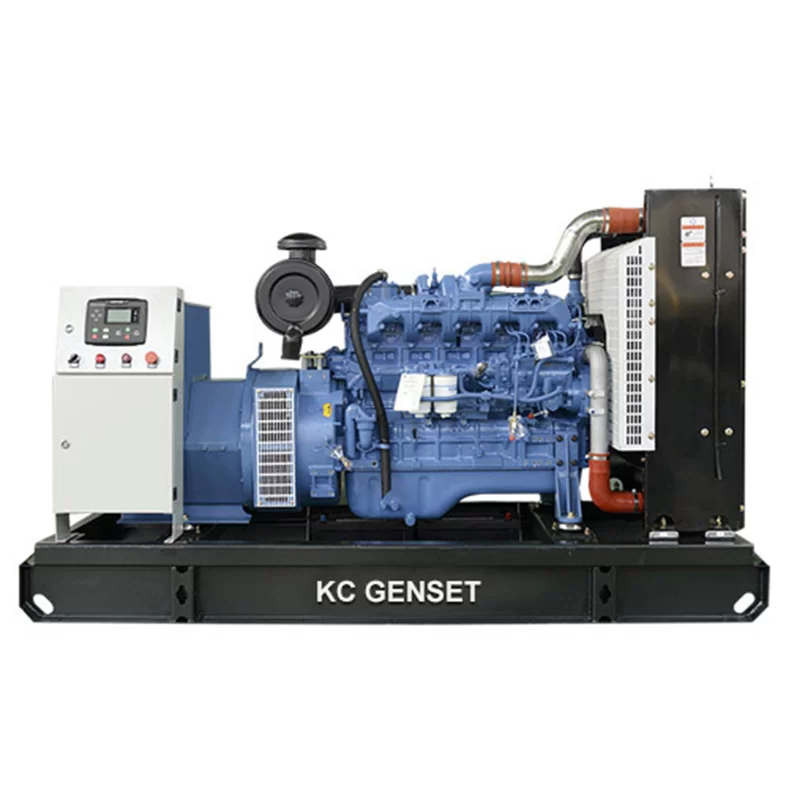
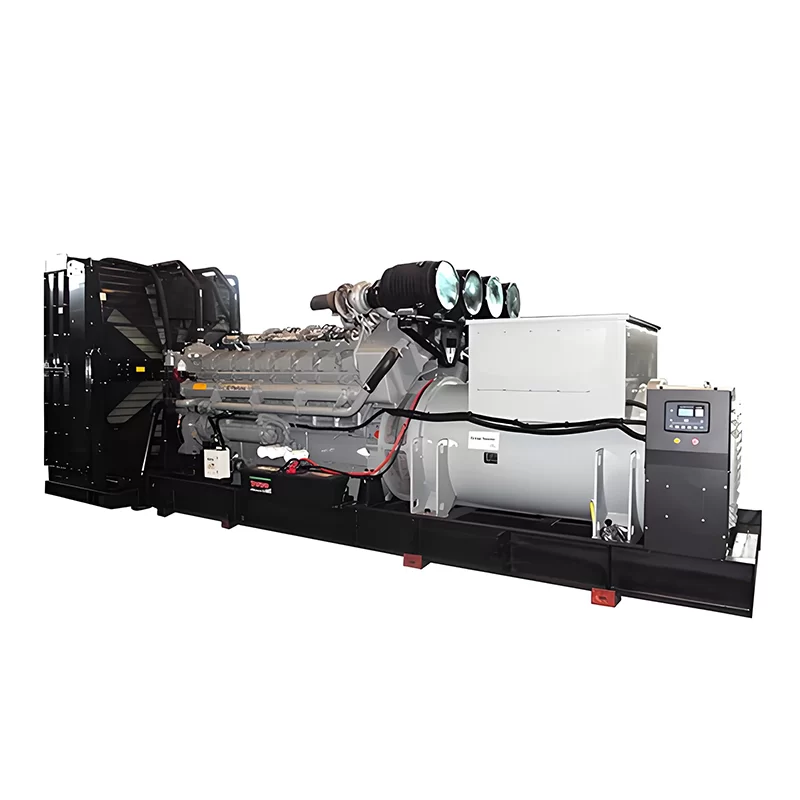
Evolution of Power Generation in the Dutch Market

From mechanical simplicity to intelligent energy management.

Market Development History

Between 1990 and 2010, the Dutch market relied heavily on oversized, basic mechanical diesel units. These early systems were primarily focused on raw power output with little regard for fuel efficiency or acoustic impact, serving mostly as emergency reserves for heavy manufacturing.

From 2010 to 2020, a technological pivot occurred. The introduction of electronic control units (ECUs) and the integration of Stage IV and Stage V emission standards transformed the diesel generator set into a precision tool. This era saw the rise of telemetry and remote monitoring, allowing Dutch facility managers to track load performance in real-time.

In the current era (2020-present), the focus has shifted toward "Hybridization." Modern systems are now designed to integrate seamlessly with solar arrays and battery storage, positioning diesel power not as the sole source, but as the ultimate reliability layer in a diversified energy portfolio.

Future Development Trends

HVO Fuel Integration

The shift toward Hydrotreated Vegetable Oil (HVO) is accelerating in the Netherlands to reduce CO2 emissions by up to 90% without replacing existing diesel hardware.

AI-Driven Predictive Maintenance

Future systems will utilize AI to predict component failure before it occurs, minimizing downtime for critical Dutch infrastructure.

Ultra-Quiet Urban Specifications

Advancements in composite sound-damping materials will further refine the silent diesel generator for deployment in densely populated residential-industrial zones.

Future Trends & Strategic Outlook

Navigating the transition toward smarter, cleaner standby power.

Decarbonization Shift
Integration of bio-diesel and HVO to meet the Netherlands' 2030 climate goals while maintaining backup reliability.
IoT Synchronization
Cloud-based monitoring for fleet management of distributed power units across Dutch provinces.
Grid-Interactive Systems
Developing generators that can feed power back into the grid during peak demand periods.
Modular Scalability
Shift toward containerized, modular units that allow Dutch companies to scale power as they grow.

Industry Outlook

Based on Google search trends in the Benelux region, there is a growing demand for "sustainable backup power." This indicates that the future of the diesel industry in the Netherlands is not about replacement, but about refinement. The focus is moving toward ultra-efficient, low-noise, and fuel-flexible systems.

We expect a 15% increase in the integration of hybrid diesel-battery systems over the next 3-5 years, as Dutch industries seek to reduce their carbon footprint without sacrificing the absolute reliability that only a combustion-based system can provide during extended outages.

Localized Applications in the Netherlands

Tailored power solutions for Dutch geographical and economic needs.

01. Port of Rotterdam Logistics Hubs

Deploying high-capacity industrial diesel generator units to ensure that automated cranes and cold-storage warehouses maintain 100% uptime, preventing global supply chain disruptions.

02. Amsterdam Data Center Clusters

Utilizing silent diesel generator sets to meet strict urban noise ordinances while providing the massive, instantaneous power required for server farm redundancy.

03. Westland Greenhouse Horticulture

Installing automated backup systems to protect climate-control sensors and irrigation pumps, ensuring that high-value crops are not lost during power surges or grid failures.

04. North Sea Offshore Support

Providing rugged, corrosion-resistant diesel generator set options for coastal support stations and temporary offshore construction platforms.

05. Emergency Flood Defense Infrastructure

Implementing portable diesel generator units at pumping stations to ensure water levels are managed effectively during severe storm surges.

Brand Story

Global Development Journey of Jiangsu Kaichen Power Equipment Co., Ltd.

Foundational Precision

Established with a mission to solve the instability of industrial power, we began by optimizing core engine efficiency for heavy-duty manufacturing.

Technical Breakthroughs

We developed advanced acoustic shielding technology, solving the critical pain point of noise pollution in urban industrial applications.

European Expansion

By aligning our engineering with EU emission standards, we successfully entered the Dutch and German markets, providing certified reliability.

Smart Power Integration

We pioneered the integration of IoT monitoring, allowing our global clients to manage their power assets from a single digital dashboard.

Future-Proof Mission

Today, we strive to lead the transition toward HVO-compatible power systems, ensuring a greener future for the global electricity machinery industry.

Comprehensive Power Portfolio for the Netherlands

From compact portable units to massive industrial arrays, we cover every Dutch energy need.

Netherlands Power Generation FAQ

Expert answers to common technical and regulatory questions.

Which silent diesel generator meets Dutch noise regulations?

Our sound-attenuated series is specifically designed to meet EU noise standards, utilizing high-density rock wool and double-walled steel enclosures to ensure minimal decibel leakage in urban environments.

Can an industrial diesel generator run on HVO fuel in the Netherlands?

Yes, our latest models are fully compatible with Hydrotreated Vegetable Oil (HVO), allowing Dutch companies to significantly reduce their carbon footprint without modifying their existing hardware.

What capacity diesel generator set is best for data centers?

For data centers, we recommend N+1 redundant configurations with high-kVA units featuring fast-start capabilities (less than 10 seconds) and automatic transfer switches (ATS).

How do I maintain a portable diesel generator in coastal areas?

In salt-heavy coastal environments like Rotterdam, we recommend anti-corrosion coatings and monthly air filter checks to prevent saline buildup in the intake system.

Are your generators compliant with EU Stage V emissions?

Absolutely. All our units exported to the Netherlands are engineered to meet or exceed EU Stage V emissions standards, ensuring legality and environmental responsibility.

What is the lead time for a custom diesel generator installation?

Depending on the specification and kVA rating, standard units are available within 2-4 weeks, while custom industrial configurations typically take 6-8 weeks for precision engineering and testing.

Secure Your Power Infrastructure Today

Our engineering team is ready to deploy high-efficiency power solutions across the Netherlands. Contact us for a technical consultation.

Contact Us Now

If you are interested in our products, you can choose to leave your information here, and we will be in touch with you shortly.