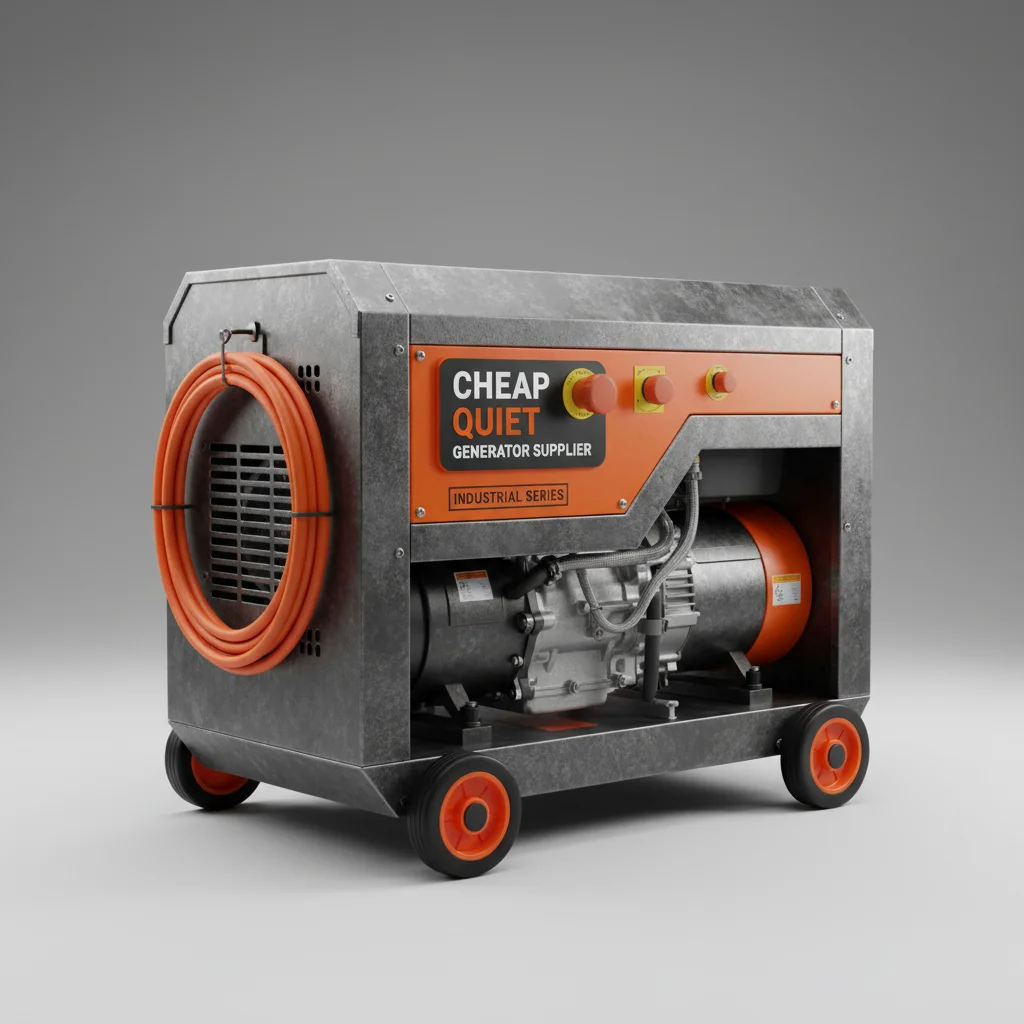
In the modern industrial landscape, the demand for reliable power backup has shifted from merely "functional" to "discreet." A professional silent genset Factory focuses on the critical intersection of high-output energy production and advanced acoustic engineering, ensuring that critical infrastructure remains powered without creating noise pollution in urban or sensitive environments.
Understanding the operational standards of a silent genset Factory is essential for businesses in healthcare, data centers, and hospitality, where the roar of a traditional diesel engine is unacceptable. By integrating sound-attenuating enclosures and vibration-damping mounts, these facilities transform raw mechanical power into a sophisticated, quiet utility that blends seamlessly into the background of a city's operational heartbeat.
Beyond the technical specifications, choosing a partner with a proven track record as a silent genset Factory means investing in long-term sustainability and regulatory compliance. As global noise ordinances become more stringent, the ability to deploy high-capacity power plants that meet ISO and residential decibel standards is no longer a luxury—it is a strategic necessity for any expanding enterprise.
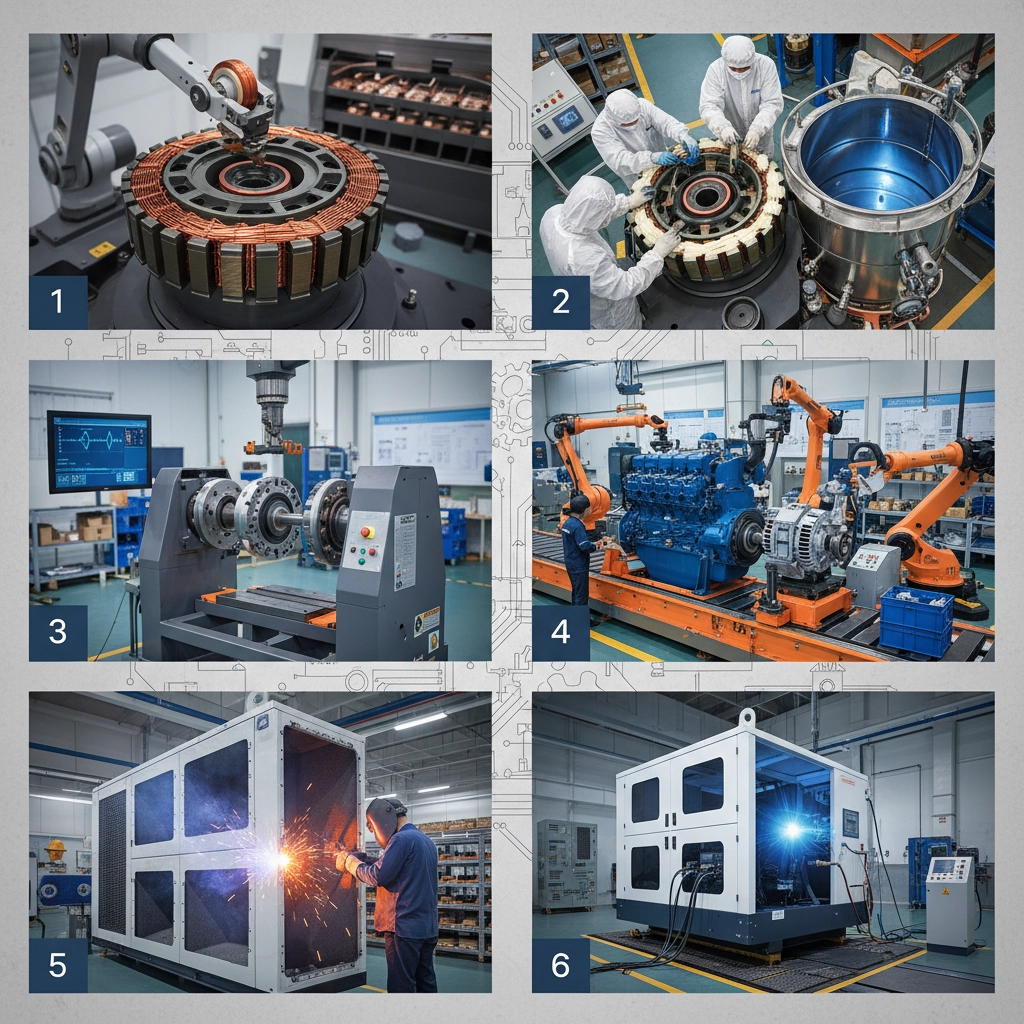
The engineering process within a silent genset Factory begins with the study of sound waves and vibration harmonics. To achieve true silence, engineers utilize high-density rock wool and perforated aluminum sheets that trap sound energy and convert it into low-grade heat, preventing the "booming" effect common in cheaper metal enclosures.
Beyond the materials, the airflow design is critical. A common failure in low-quality silent generators is overheating due to restricted air intake. A professional factory employs Computational Fluid Dynamics (CFD) to ensure that while noise is blocked, the engine receives optimal cooling air, maintaining efficiency even under full load in tropical climates.
Furthermore, the integration of anti-vibration mounts—typically made of high-grade synthetic rubber or spring assemblies—decouples the engine from the chassis. This prevents structural noise from traveling through the floor of the installation site, which is a key requirement for basement installations in commercial skyscrapers.
The core of any product leaving a silent genset Factory is the synergy between the prime mover and the enclosure. High-performance diesel engines are selected not only for their kVA output but for their inherent stability and lower combustion noise.
Critical attention is paid to the exhaust system. A premium silent genset Factory installs residential-grade silencers and flexible bellows that neutralize the high-frequency exhaust pulses, ensuring that the air expelled from the unit does not disrupt the surrounding environment.
Finally, the control systems are digitized for remote monitoring. By utilizing smart controllers, operators can optimize engine speeds and load distribution, reducing unnecessary stress on the machine and further lowering the acoustic footprint during partial-load operations.
The investment in a unit from a reputable silent genset Factory yields significant dividends in operational longevity. Because the sound-attenuating canopy also protects the engine from dust, rain, and corrosive elements, the maintenance intervals are extended, and the risk of premature engine wear is greatly reduced.
From a social perspective, the reduction of noise pollution contributes to the mental well-being of employees and neighbors. This "invisible benefit" translates into higher productivity in workplaces and better community relations for industrial operators, proving that quiet power is a form of corporate social responsibility.
Furthermore, modern silent generators are being engineered for fuel versatility. By integrating natural gas or hybrid systems into the silent frame, factories are helping clients transition toward lower-emission energy sources without sacrificing the noise-reduction capabilities they depend on.
| Manufacturing Tier | Acoustic Material | Noise Reduction (dB) | Durability Score (1-10) |
|---|---|---|---|
| Entry-Level Factory | Standard Foam | 10-15 dB | 5 |
| Mid-Range Factory | Glass Wool | 20-25 dB | 7 |
| Premium silent genset Factory | High-Density Rockwool | 30-40 dB | 9 |
| Custom Industrial Plant | Multi-Layer Composite | 40-50 dB | 10 |
| Eco-Focused Factory | Bio-Polymer Fiber | 25-35 dB | 8 |
| Hybrid Power Factory | Adaptive Acoustic Shell | 35-45 dB | 9 |
A silent genset Factory specializes in acoustic engineering. While standard manufacturers focus on engine power and electrical output, a silent factory integrates advanced sound-damping materials, vibration-isolated chassis, and specialized airflow designs to minimize decibel levels without sacrificing engine cooling or performance.
Depending on the model, you can expect a reduction of 20 to 40 decibels compared to an open-frame unit. This typically brings the noise level down to a range where the generator can be placed near residential areas or office buildings without causing significant disturbance, provided it is installed on a proper vibration-damping base.
In low-quality units, yes. However, a reputable silent genset Factory uses Computational Fluid Dynamics (CFD) to optimize airflow. By designing efficient intake and exhaust paths, they ensure the engine remains cool and operates within its temperature specifications, meaning the enclosure does not shorten the engine's life.
Yes, one of the secondary benefits of the silent canopy is that it protects the internal components from rain, snow, and dust. Most professional units are weather-proofed (IP rated), making them ideal for outdoor installation in diverse climates, from arid deserts to humid coastal regions.
Not necessarily. High-quality silent units feature wide-opening access doors and strategically placed service points. While you have to open a canopy, the internal layout is usually optimized for technician access, ensuring that oil changes and filter replacements are as simple as they are on open units.
Begin by calculating your peak load (kW) and accounting for "inrush current" from motors or AC units. Once you have the required kVA, consult the factory about the noise footprint of that specific size; larger engines are naturally louder and may require a more robust, thicker enclosure to meet your specific site's noise limits.

If you are interested in our products, you can choose to leave your information here, and we will be in touch with you shortly.