• Home
  • Global Service
  • HighEfficiency industrial diesel generator Solutions for Germany’s Manufacturing Sector

High-Efficiency industrial diesel generator Solutions for Germany's Manufacturing Sector

Providing uncompromising power reliability and Stage V emission compliant energy systems for German industrial hubs.

High-Efficiency industrial diesel generator Solutions for Germany's Manufacturing Sector

Our cutting-edge power systems are engineered to meet the rigorous technical standards of the German electrical machinery industry, ensuring zero downtime for critical production lines.

Power Stability Landscape in Germany

Analyzing the demand for backup power within the European industrial heartland.

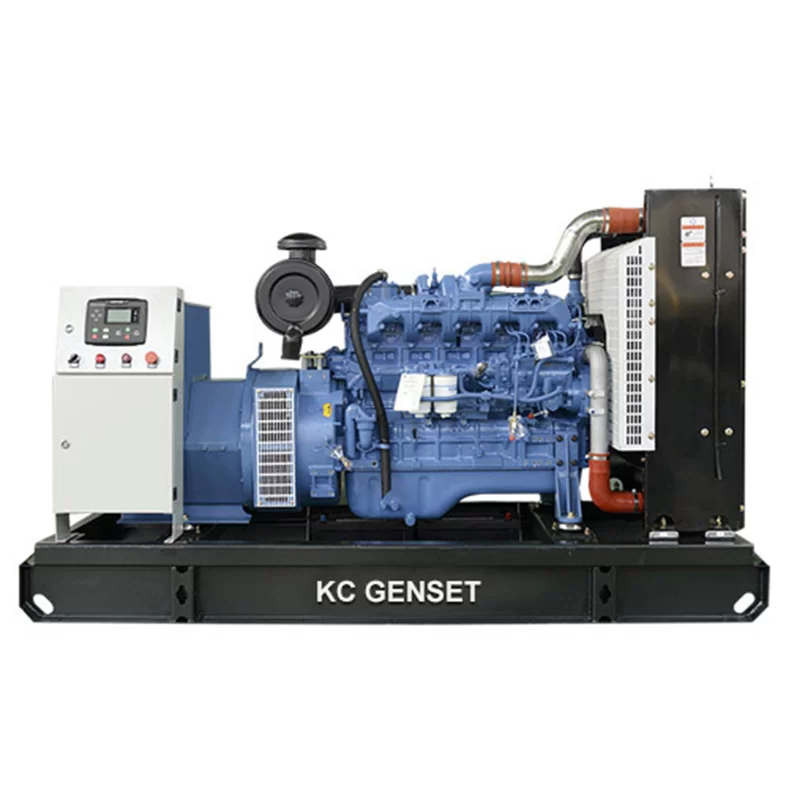
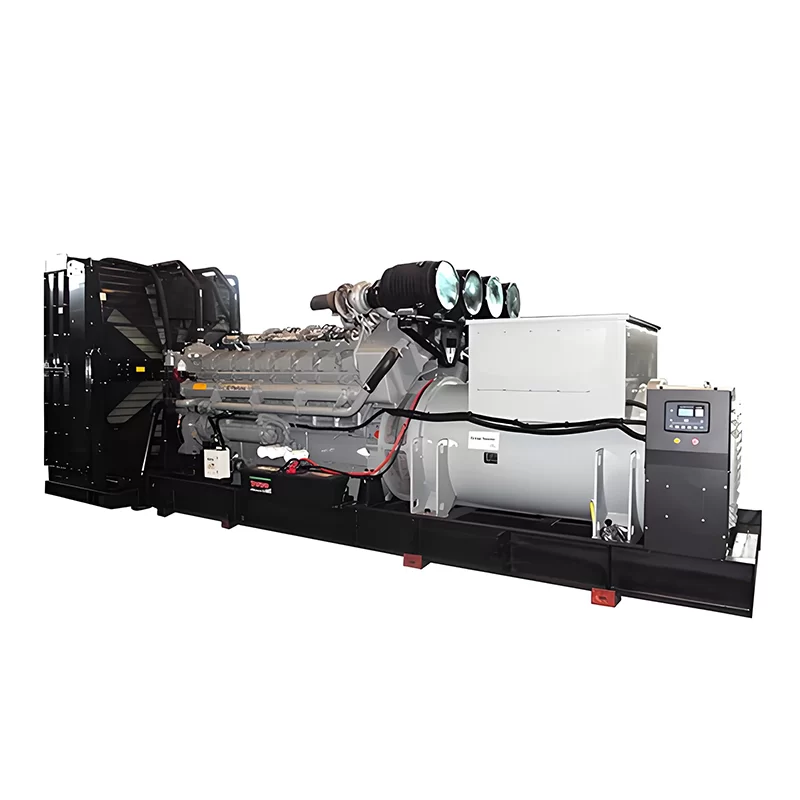
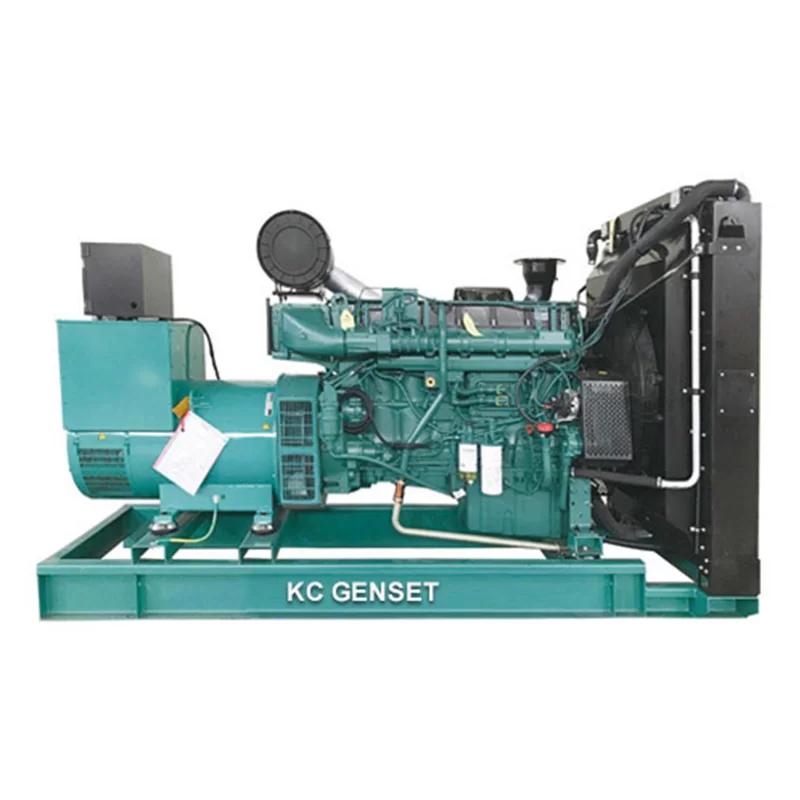
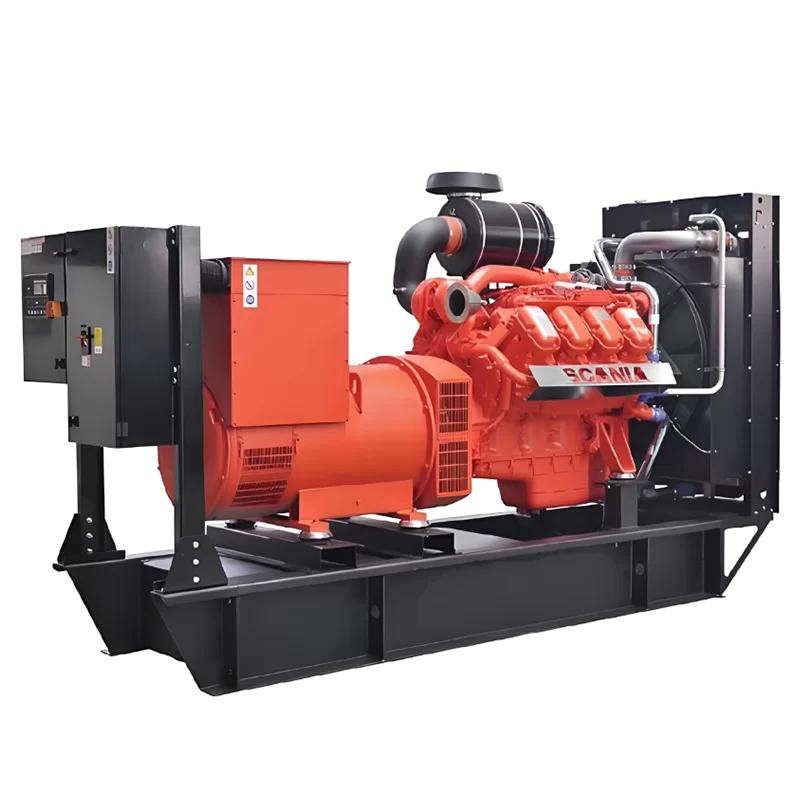
Germany's manufacturing sector, characterized by high-precision engineering and the "Mittelstand" economy, demands an unprecedented level of power quality. With the aggressive transition toward renewable energy (Energiewende), the grid occasionally faces stability challenges, making a reliable diesel generator set essential for maintaining continuous operation in factories.

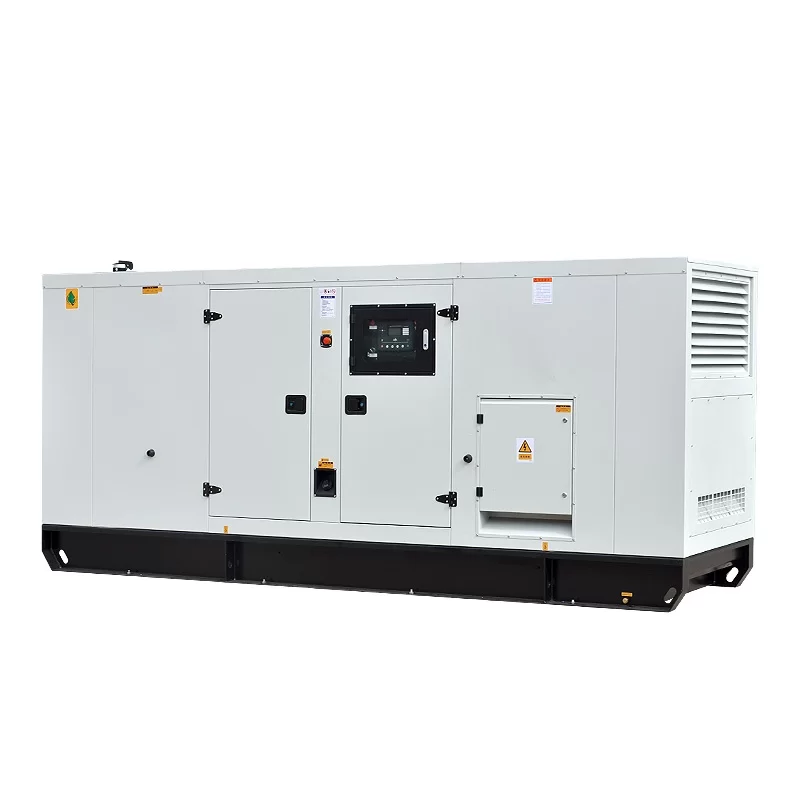
Environmental regulations in Germany are among the strictest globally. The local market has shifted heavily toward the silent diesel generator to comply with noise pollution laws (TA Lärm), especially for plants located near urban residential areas in states like North Rhine-Westphalia or Bavaria.

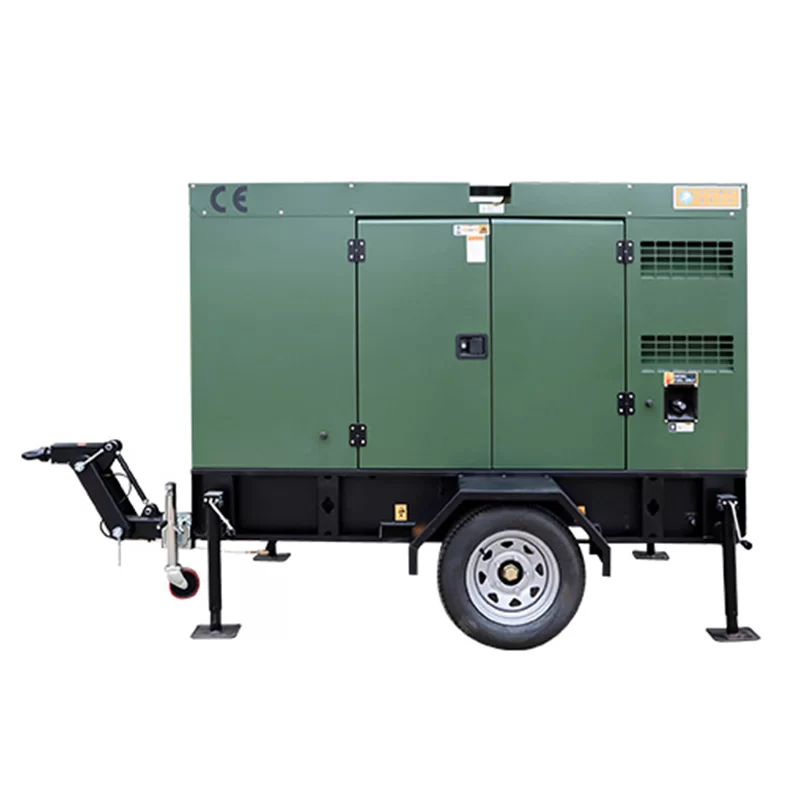
Furthermore, the need for flexibility in construction and temporary site power has driven a surge in the adoption of the portable diesel generator, allowing German firms to maintain productivity across remote infrastructure projects without relying solely on permanent grid connections.
Evolution of Power Generation in German Industry

From mechanical robustness to intelligent, low-emission energy systems.

Market Development History

In the 1990s and early 2000s, the German market relied on heavy-duty mechanical diesel units focused purely on torque and durability. The primary goal was raw power output for the automotive and chemical industries, with little regard for acoustic footprints.

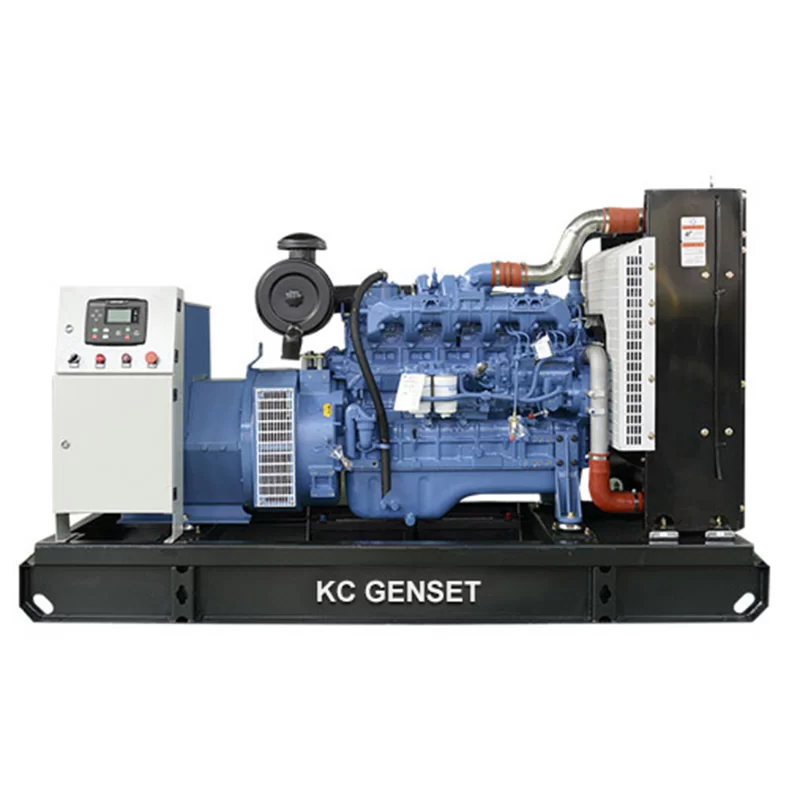
Between 2010 and 2020, the focus shifted toward electronic integration. The introduction of advanced ECU (Electronic Control Units) allowed for better synchronization and fuel efficiency, transforming the standard diesel generator into a smart asset capable of automatic mains failure (AMF) switching.

From 2021 onwards, the trajectory has been defined by the "Green Transition." The integration of Stage V emission standards and hybrid configurations has become the benchmark, ensuring that industrial power backups align with Germany's carbon neutrality goals.

Future Development Trends

Hydrogen-Diesel Dual Fuel Systems

Expect a transition toward dual-fuel technology to reduce CO2 emissions while maintaining the reliability of diesel combustion.

AI-Driven Predictive Maintenance

Integration of IoT sensors to predict component failure before it occurs, reducing operational risks in high-stakes manufacturing.

Microgrid Synchronization

The evolution of generators from standalone backups to active participants in industrial microgrids, balancing solar and wind inputs.

Industry Trends and Future Outlook

Strategic directions for power equipment in the European market.

Decarbonization Standards
Strict adherence to EU Stage V norms to minimize NOx and particulate matter.
Acoustic Optimization
Advanced sound-attenuating enclosures for urban industrial integration.
Digital Twin Monitoring
Real-time virtual modeling for performance optimization and remote diagnostics.
Modular Scalability
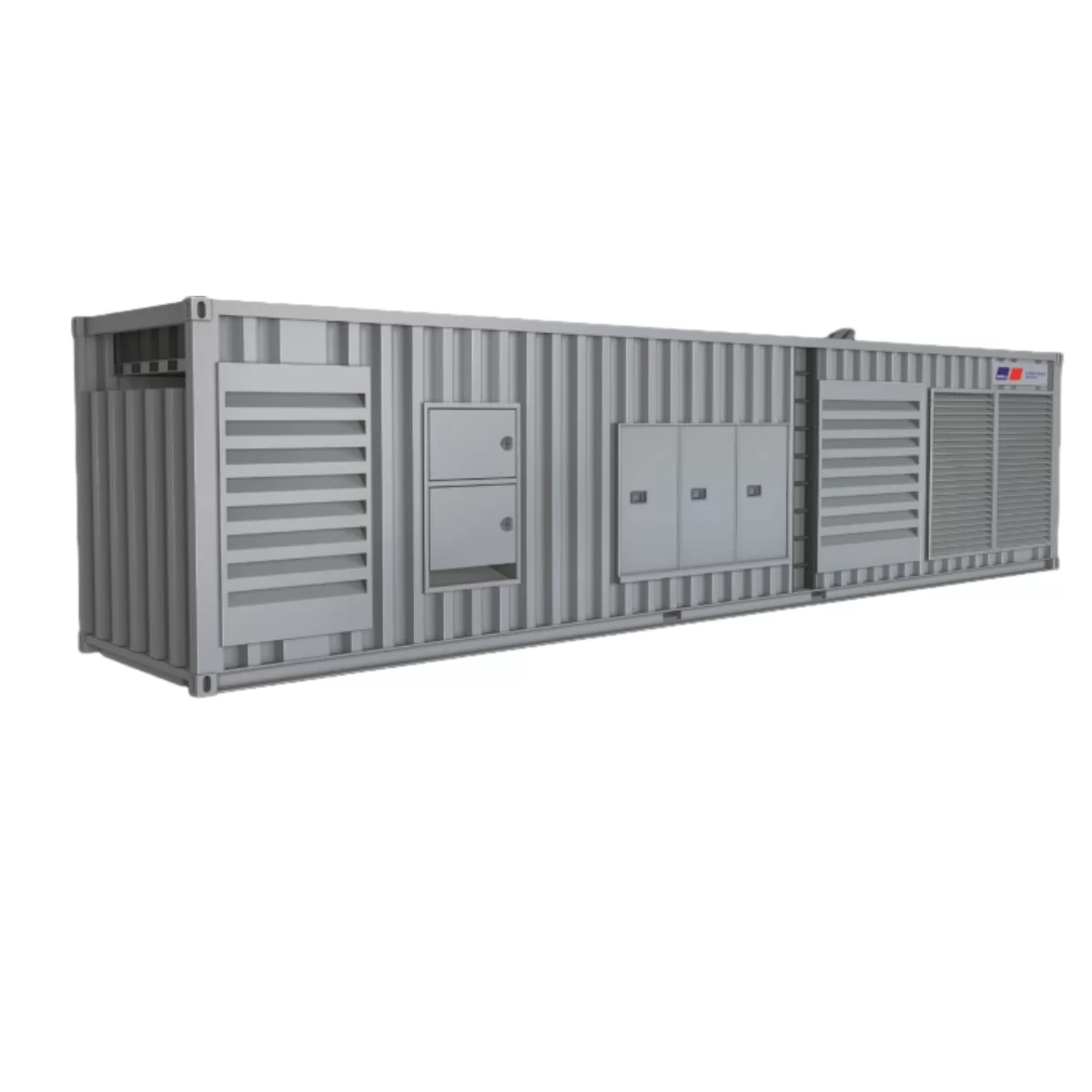
Containerized power modules for rapid deployment and capacity expansion.

Industry Outlook

Based on Google search trends for "Sustainable Power" and "Backup Energy" in Germany, there is a clear pivot toward hybridizing diesel systems with BESS (Battery Energy Storage Systems). The future is not about replacing diesel entirely, but optimizing its use for emergency peak shaving.

As German industry 4.0 evolves, power systems will transition from "dumb" hardware to "intelligent" energy nodes. This ensures that the high-tech machinery of the electrical equipment sector is protected by an equally sophisticated energy safety net.

Localized Application Scenarios in Germany

Tailored power solutions for diverse German operational environments.

01. Automotive Assembly Lines (Baden-Württemberg)

Implementing high-capacity industrial backup units to prevent costly production halts during grid fluctuations in automotive hubs.

02. Urban Medical Facilities (Berlin/Munich)

Utilizing specialized silent units to provide critical life-support power without violating municipal noise ordinances.

03. Remote Construction Sites (Alps Region)

Deploying portable units for heavy machinery and site office power in mountainous terrain where grid extension is unfeasible.

04. Chemical Processing Plants (Ruhr Valley)

Installing explosion-proof synchronized sets to maintain pressure and cooling systems during emergency shutdowns.

05. Logistics Hubs (Hamburg Port)

Using modular power sets to support automated sorting systems and cold-chain storage during peak energy demands.

Brand Story

Global Development Journey of Jiangsu Kaichen Power Equipment Co., Ltd.

Foundational Excellence

Established with a vision to solve the instability of industrial power, focusing on the precision engineering of generator cores.

Technological Breakthrough

Developed proprietary noise-reduction and emission-control technologies to enter the stringent European market.

European Market Expansion

Strategic entry into Germany, partnering with local engineering firms to certify equipment for EU industrial standards.

Smart Power Innovation

Launched the first series of IoT-integrated power systems for real-time remote monitoring across the EU.

Commitment to Sustainability

Leading the transition to Stage V and hybrid energy solutions to support Germany's green energy future.

Germany Power Solutions FAQ

Expert answers to common technical and regulatory questions.

How do I ensure my industrial diesel generator complies with German TA Lärm noise regulations?

We provide sound-attenuating enclosures specifically designed for German urban environments, reducing decibel levels to meet strict local residential zoning laws.

Are these diesel generator set options compatible with Stage V emission standards?

Yes, our latest European series includes DPF and SCR systems to strictly adhere to Stage V emission limits for nitrogen oxides and particulates.

What is the typical lead time for a custom silent diesel generator delivery in Germany?

Depending on the customization level and capacity, lead times typically range from 4 to 8 weeks, including EU certification and logistics.

Can a portable diesel generator handle high-surge starting currents for industrial motors?

Our portable units are equipped with high-capacity AVRs (Automatic Voltage Regulators) to manage transient loads and starting surges effectively.

What maintenance intervals are recommended for a diesel generator operating in Germany's climate?

We recommend a comprehensive service every 250-500 operating hours, with specific winterization checks in November to ensure reliable cold-starts.

Do you offer remote monitoring for large industrial diesel generator installations?

Yes, our integrated smart-control systems allow for 24/7 remote monitoring of fuel levels, engine health, and load distribution via cloud platforms.

Secure Your Energy Future Today

Consult with our engineering experts for the most reliable power backup solutions tailored for the industrial landscape of Germany.

Contact Us Now

If you are interested in our products, you can choose to leave your information here, and we will be in touch with you shortly.