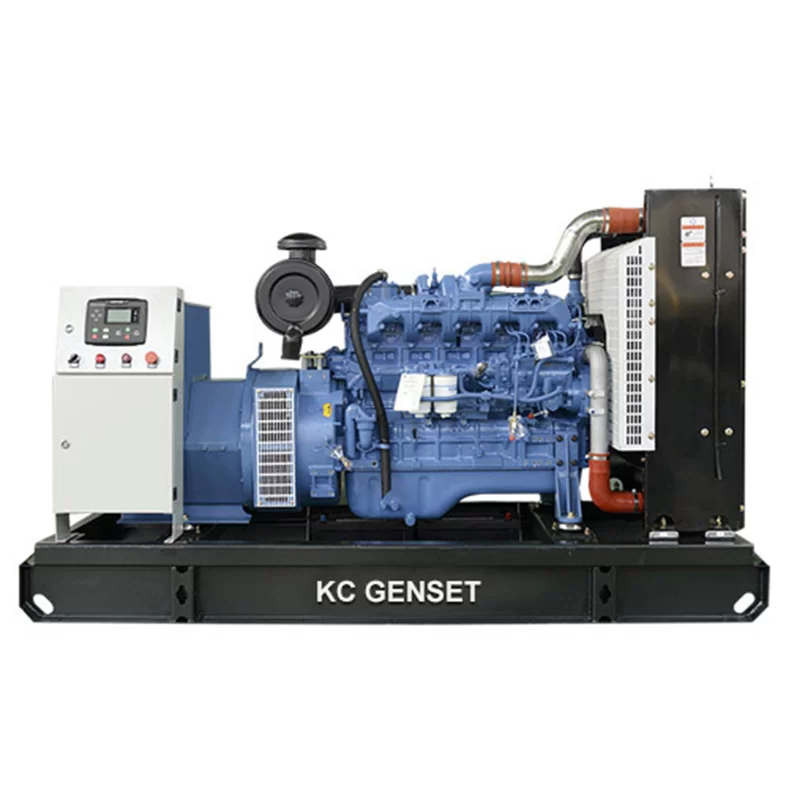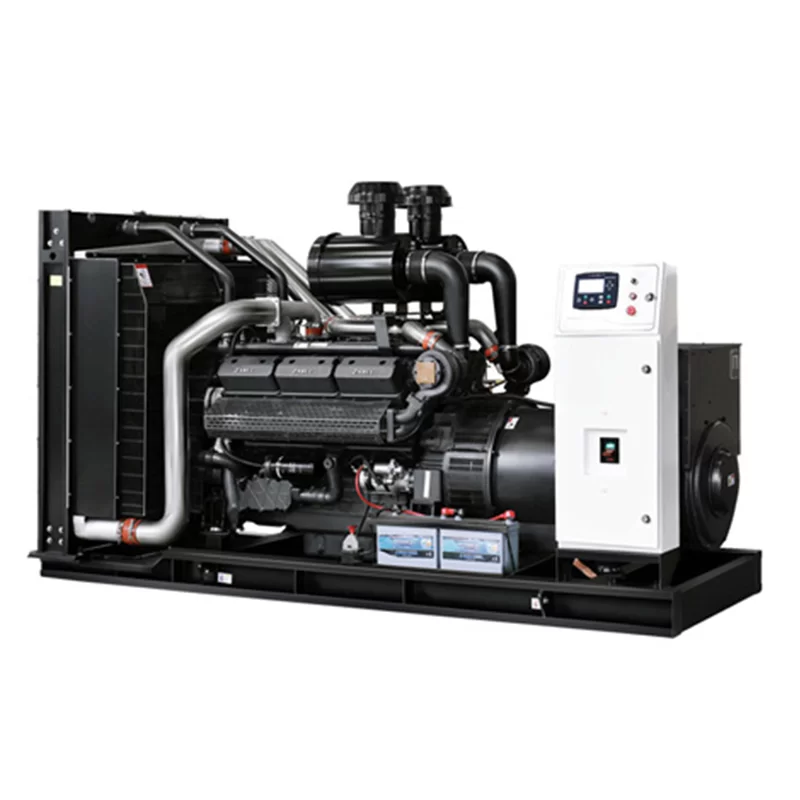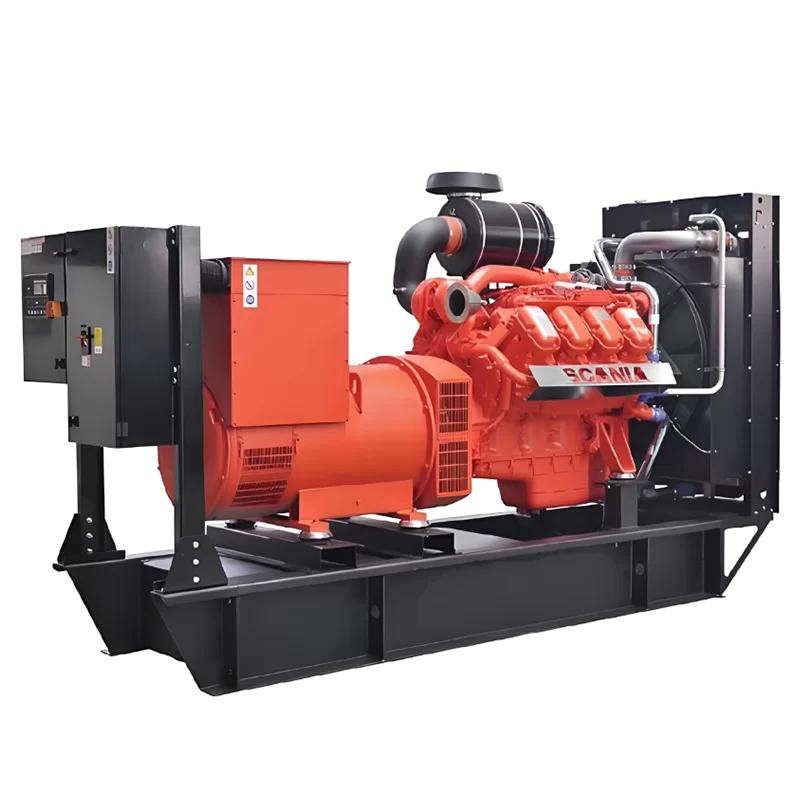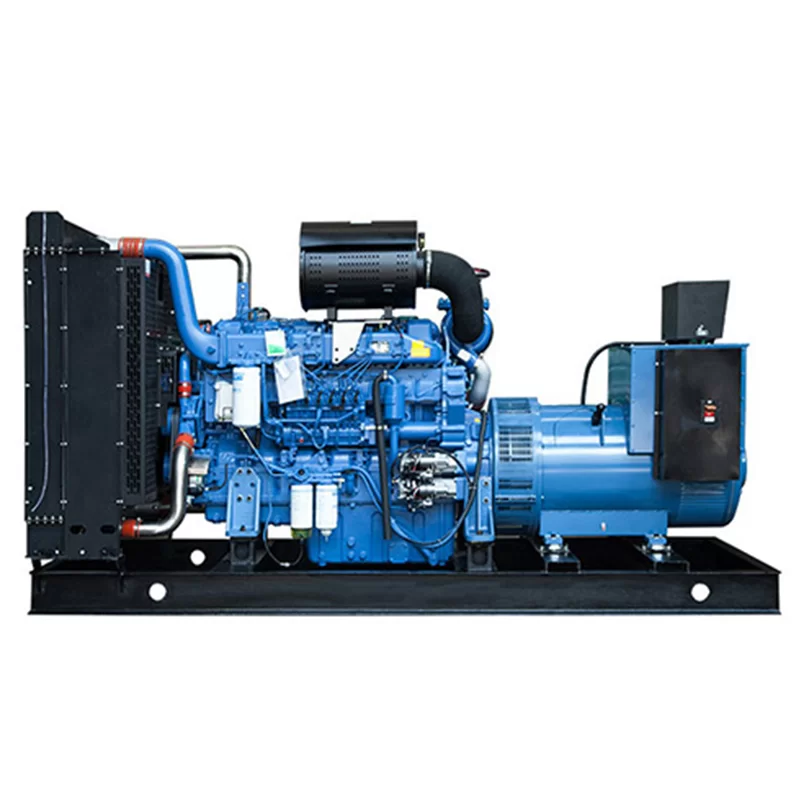
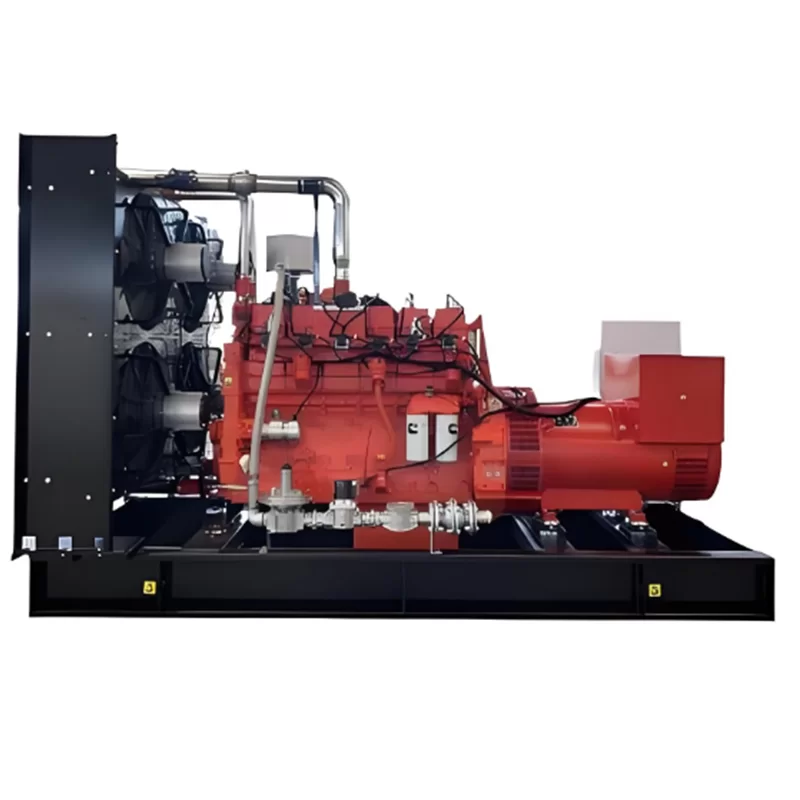
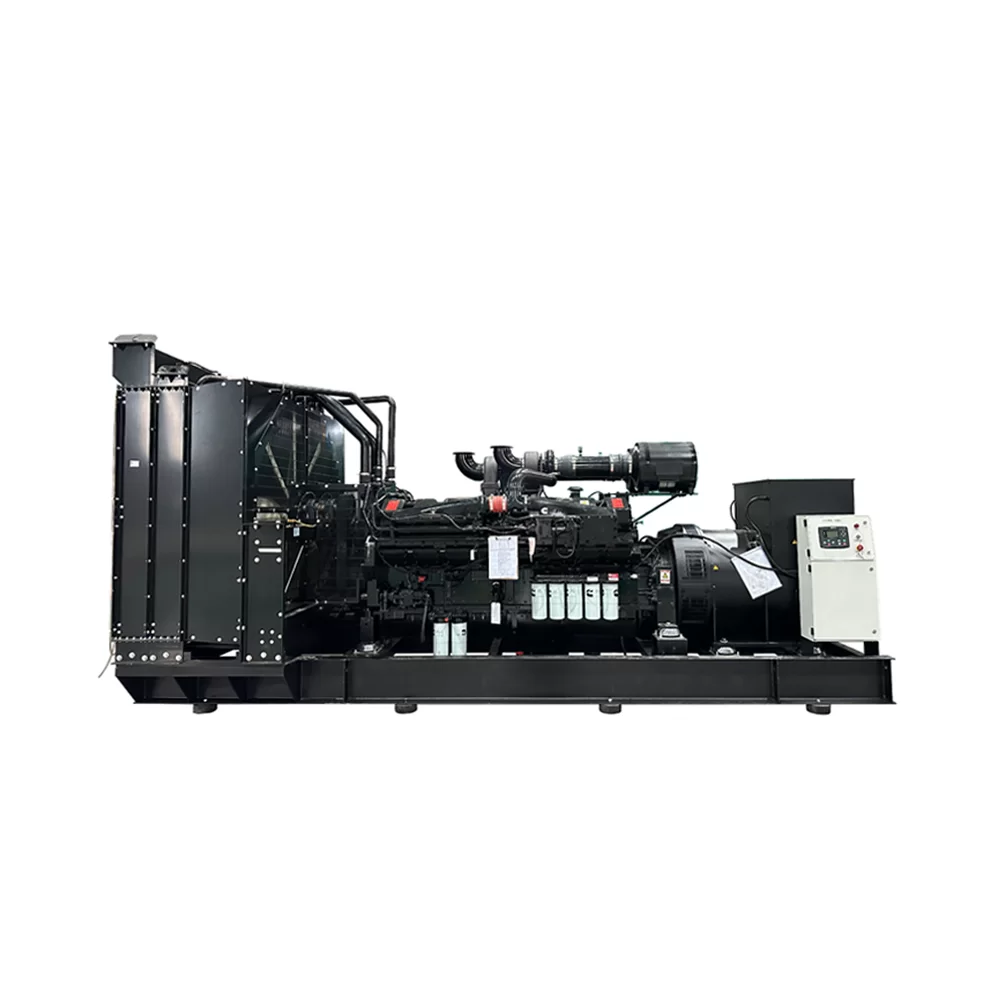
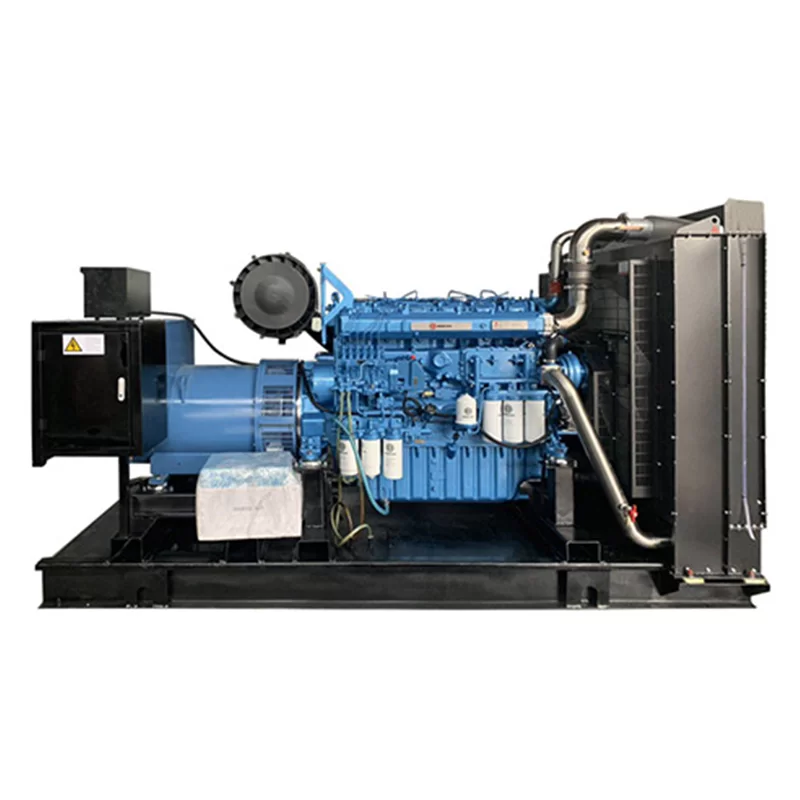
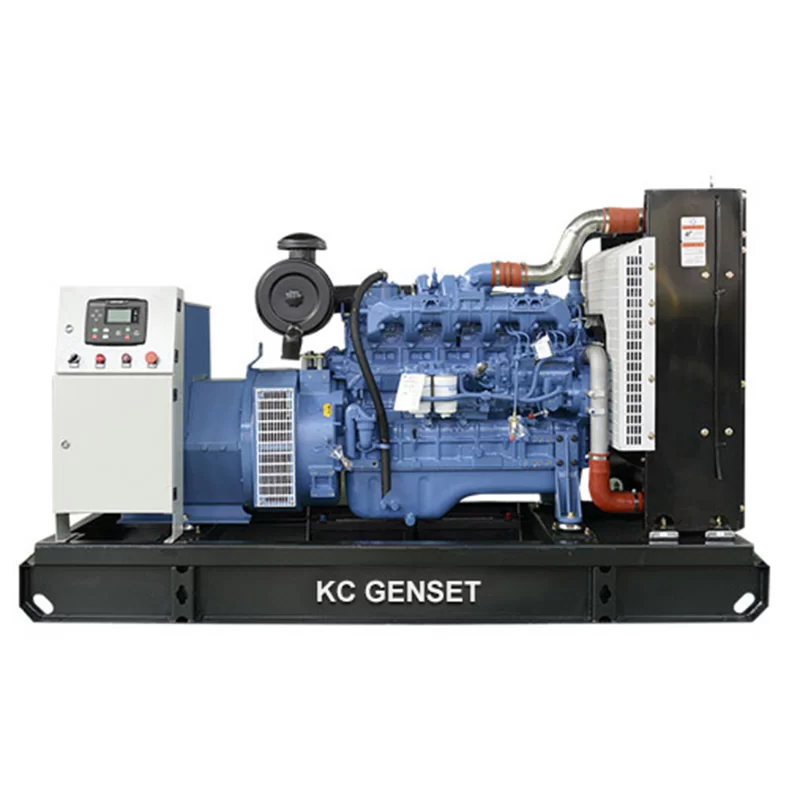
Equatorial Guinea's energy landscape is characterized by a heavy reliance on centralized grids that often struggle with consistency, especially in remote oil-field regions and rural provinces. The high humidity and saline air of the coast accelerate the corrosion of standard electrical equipment, making the demand for a specialized diesel generator set critical for maintaining operational uptime.
In urban centers like Malabo, the growth of commercial services and administrative hubs has outpaced grid expansion. This creates a strategic reliance on backup power. Businesses increasingly shift toward high-capacity systems to avoid the significant financial losses associated with sudden power outages during peak humidity cycles.
Furthermore, the logistical challenges of transporting fuel to isolated jungle sites make fuel efficiency and durability the top priorities. The current market shows a transition from basic open-frame units to more sophisticated, weather-protected power systems that can withstand the Equatorial tropical rainstorms.