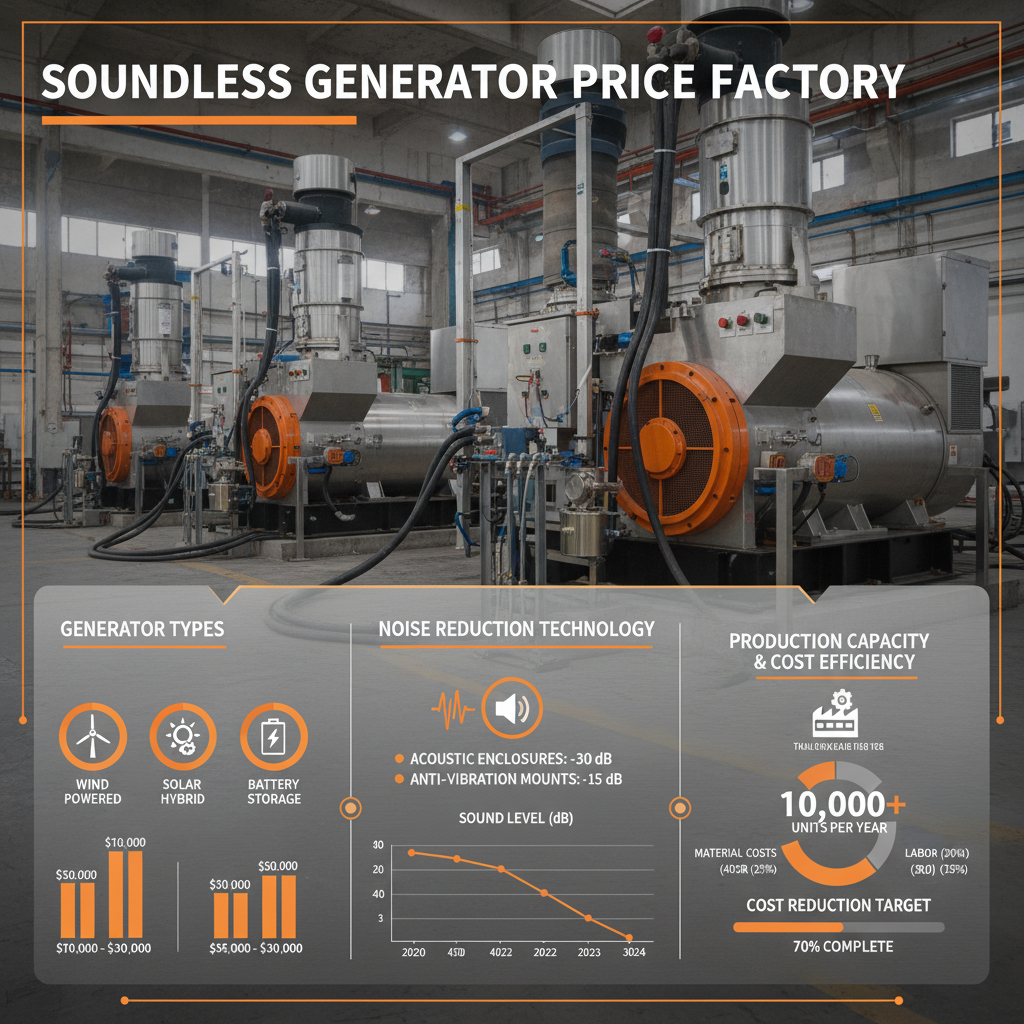
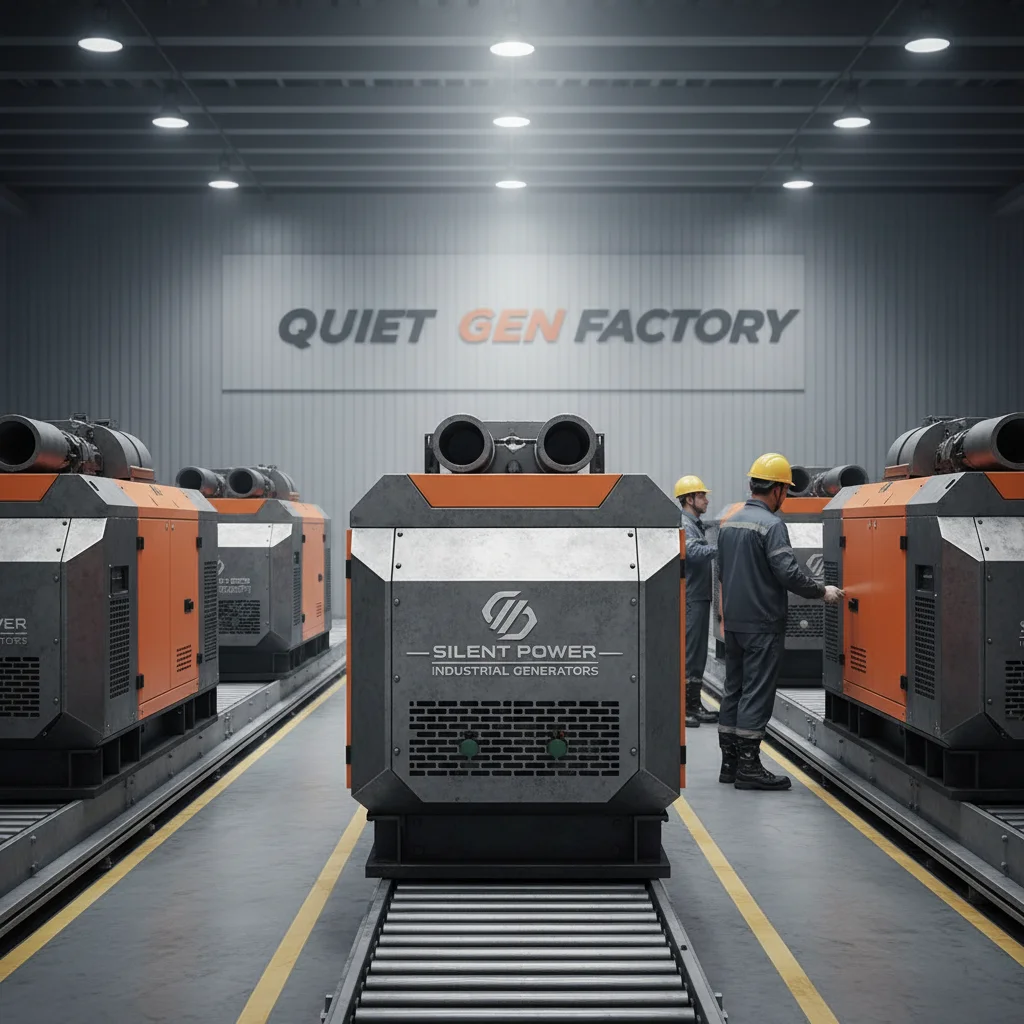
When businesses and homeowners search for a soundless generator price Factory, they are typically looking for more than just a number; they are seeking a balance between acoustic comfort and reliable power. In an era where urban noise pollution is strictly regulated by ISO and local municipal laws, the demand for high-efficiency, low-decibel power solutions has surged globally, making factory-direct pricing a critical factor for project viability.
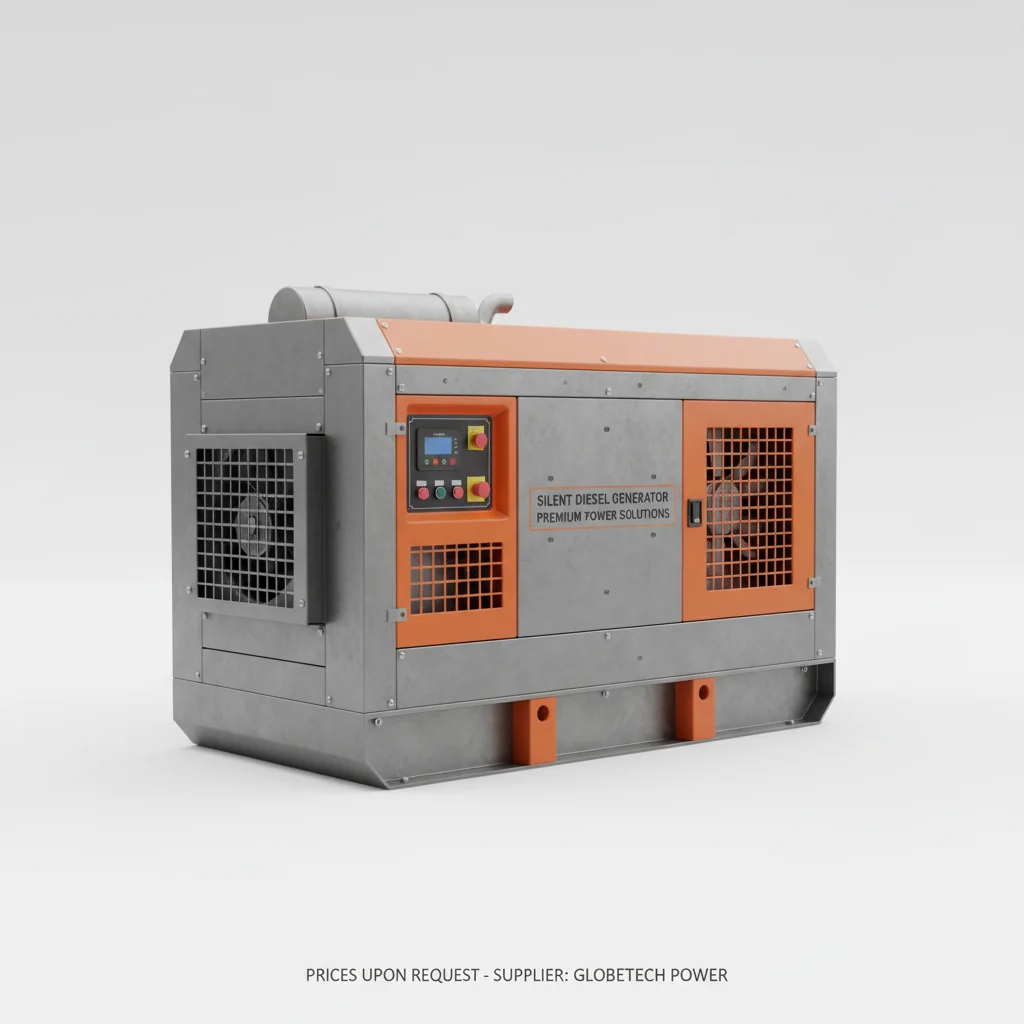
Understanding the nuances of soundless generator pricing requires a deep dive into the engineering of sound attenuation. From the density of the acoustic foam to the precision of the exhaust silencers, every component influences the final cost. By sourcing directly from a factory, clients can bypass intermediary markups and customize their units—whether they need a Container Type Diesel Generator for an industrial site or a Mobile Silent Diesel Generator for emergency response.
Ultimately, the goal of analyzing the soundless generator price Factory landscape is to ensure long-term operational sustainability. Investing in a high-quality, silenced unit reduces the risk of environmental fines and increases the property value of the installation site. Whether it is a Natural Gas Generator for green initiatives or a traditional Silent Diesel Generator, the convergence of affordability and performance defines the current market trend.
Global Market Relevance of Soundless Power Solutions
Across the globe, the reliance on backup power is no longer just about survival but about maintaining seamless productivity. With the rise of "Smart Cities" and stringent environmental regulations, the noise emitted by traditional open-frame generators has become a significant legal and social liability. This shift has pushed the industry toward the soundless generator price Factory model, where manufacturers integrate advanced sound-dampening enclosures directly into the production line to meet international noise standards.
From the hospitals of Europe to the data centers of Southeast Asia, the need for "silent" power is paramount. According to industry trends, there is a growing preference for Container Type Diesel Generators that can be deployed in residential zones without disturbing the peace. This global transition underscores the importance of sourcing from a factory that understands the intersection of mechanical power and acoustic physics.
Defining the Soundless Generator Price Factory Model
The concept of a soundless generator price Factory refers to a direct-to-consumer or direct-to-enterprise manufacturing model that eliminates the "middleman" markups associated with regional distributors. In simple terms, it means the end-user receives a specialized, noise-attenuated power system at the actual cost of production plus a reasonable factory margin, ensuring that high-end acoustic technology remains accessible for various budget levels.
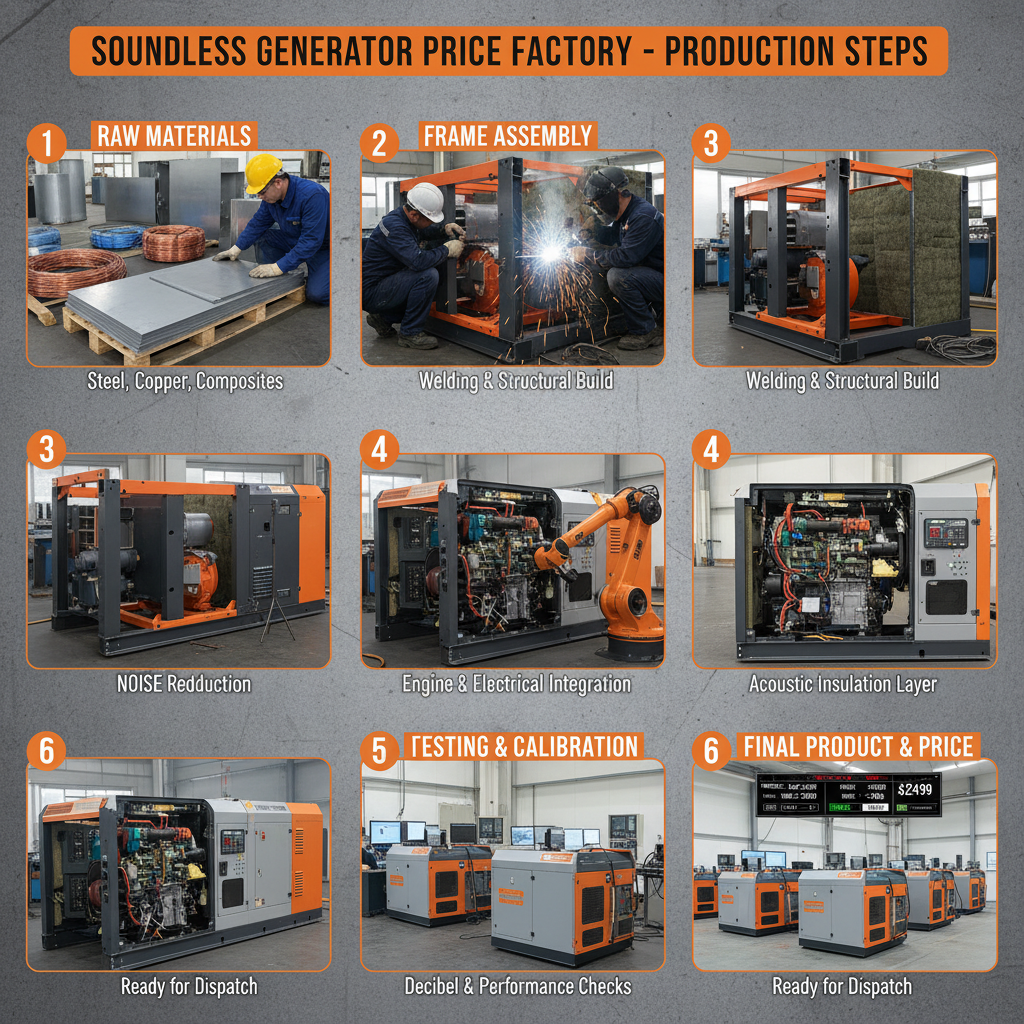
Beyond pricing, this model represents a commitment to precision engineering. A "soundless" generator is not truly silent—as the laws of thermodynamics make that impossible—but it utilizes a sophisticated combination of sound-absorbing materials, vibration isolators, and optimized airflow to reduce decibel levels to a whisper (typically below 70dB at 7 meters). This makes these units indispensable for humanitarian missions and urban infrastructure.
In the context of modern industry, this model allows for rapid scalability. Whether a company needs a single Mobile Silent Diesel Generator for a construction site or a fleet of Natural Gas Generators for a campus, the factory-direct approach ensures consistent quality control and a transparent pricing structure based on the actual technical specifications requested.
Core Components Influencing Acoustic Efficiency
The primary driver of any soundless generator price Factory quote is the quality of the acoustic enclosure. This isn't just a metal box; it's a multi-layered shield consisting of galvanized steel, high-density rock wool, and specialized acoustic foam that traps sound waves and prevents them from escaping into the environment.
Another critical factor is the vibration damping system. By using heavy-duty rubber mounts and spring isolators, the factory ensures that the mechanical energy of the engine doesn't transfer to the outer shell, which would otherwise act like a speaker diaphragm. This engineering detail is what separates a truly silent unit from a cheaply modified open generator.
Lastly, the airflow and exhaust design play a pivotal role. Industrial-grade silencers and baffle-style air intakes allow the engine to breathe and cool efficiently while forcing sound waves to bounce and dissipate. When evaluating a factory's pricing, these technical specifications determine whether the unit will actually meet the promised noise reduction targets.
Economic Impact and Cost-Efficiency Analysis
When analyzing the economic viability of power solutions, the initial investment must be weighed against the "cost of noise." For many businesses, installing a non-silent generator leads to expensive retrofitting costs or legal disputes with neighbors. Sourcing from a soundless generator price Factory allows for a streamlined CAPEX (Capital Expenditure) because the soundproofing is integrated into the chassis from day one.
Moreover, the efficiency of the engine—whether it's a diesel or natural gas variant—directly impacts the OPEX (Operating Expenditure). High-quality factory units are designed to maintain optimal temperature and pressure despite the enclosure, ensuring that fuel consumption remains low while power output remains stable.
Comparative Value Analysis of Power Solutions
Global Applications and Industrial Use Cases
In the realm of post-disaster relief, the deployment of Mobile Silent Diesel Generators is a game-changer. When setting up field hospitals or communication hubs in residential areas, noise pollution can cause unnecessary stress to victims and hinder the coordination of emergency services. The ability to provide high-wattage power without the deafening roar of a standard engine is not just a luxury—it is a humanitarian necessity.
Industrial zones, particularly those bordering urban centers, utilize Container Type Diesel Generators to power critical infrastructure. These units are designed to be placed in outdoor yards where they provide stable energy for warehouses and factories while remaining compliant with local environmental zoning laws. The factory-direct pricing allows these companies to implement comprehensive backup systems across multiple sites without exceeding their annual maintenance budgets.
Long-Term Value and Sustainability Benefits
The long-term value of investing in a soundless generator price Factory solution extends far beyond the initial purchase. From a psychological perspective, reducing noise pollution in the workplace increases employee productivity and reduces fatigue. In a corporate setting, a silent generator ensures that business continuity doesn't come at the cost of a hostile acoustic environment.
Sustainability is also a core component of this value proposition. Modern soundless generators are often paired with cleaner-burning engines, such as Natural Gas Generators, which reduce carbon emissions. The integration of advanced control systems allows for "smart" loading, ensuring the engine only runs at the necessary RPM, further reducing both noise and fuel waste.
Furthermore, the durability of factory-built enclosures protects the internal engine from weather, dust, and vandalism. This protection extends the lifespan of the machine, reducing the frequency of replacements and lowering the total cost of ownership (TCO) over a 10-to-15-year lifecycle.
Future Innovations in Noise Reduction Technology
The future of the soundless generator price Factory market is leaning heavily toward the integration of "Active Noise Cancellation" (ANC) technology. Much like high-end headphones, future generators may employ sensors and speakers that emit "anti-noise" waves to cancel out the low-frequency hum of the diesel engine, potentially pushing noise levels even lower than current passive insulation allows.
Digital transformation is also playing a role. IoT-enabled monitoring allows factory operators to track the acoustic health of a unit in real-time. If a mounting bolt loosens or a baffle becomes clogged, the system alerts the user before the noise level exceeds legal limits, ensuring continuous compliance without the need for manual audits.
Additionally, the shift toward hybrid power systems—combining silent diesel generators with large-scale battery storage—will redefine how we think about "soundless" energy. In this model, the generator only runs occasionally to charge the batteries, meaning the audible impact on the environment is reduced by up to 80%.
Comparative Analysis of Soundless Generator Technologies
| Generator Type |
Noise Reduction Level |
Installation Cost |
Operational Longevity |
| Container Silent Diesel |
Excellent (60-65 dB) |
High |
15+ Years |
| Mobile Silent Unit |
Very Good (65-72 dB) |
Medium |
10-12 Years |
| Natural Gas Silent |
Excellent (58-63 dB) |
High |
15+ Years |
| Open Frame (Standard) |
Poor (85-100 dB) |
Low |
8-10 Years |
| Hybrid Silent System |
Superior (40-55 dB) |
Very High |
20+ Years |
| Compact Silent Diesel |
Good (68-75 dB) |
Medium-Low |
7-10 Years |
FAQS
Buying direct from a factory removes the distributor's markup, which can often be 20% to 40% of the total cost. Additionally, factories allow for "modular" customization, meaning you only pay for the specific soundproofing levels and engine specs you actually need, rather than a generic retail package.
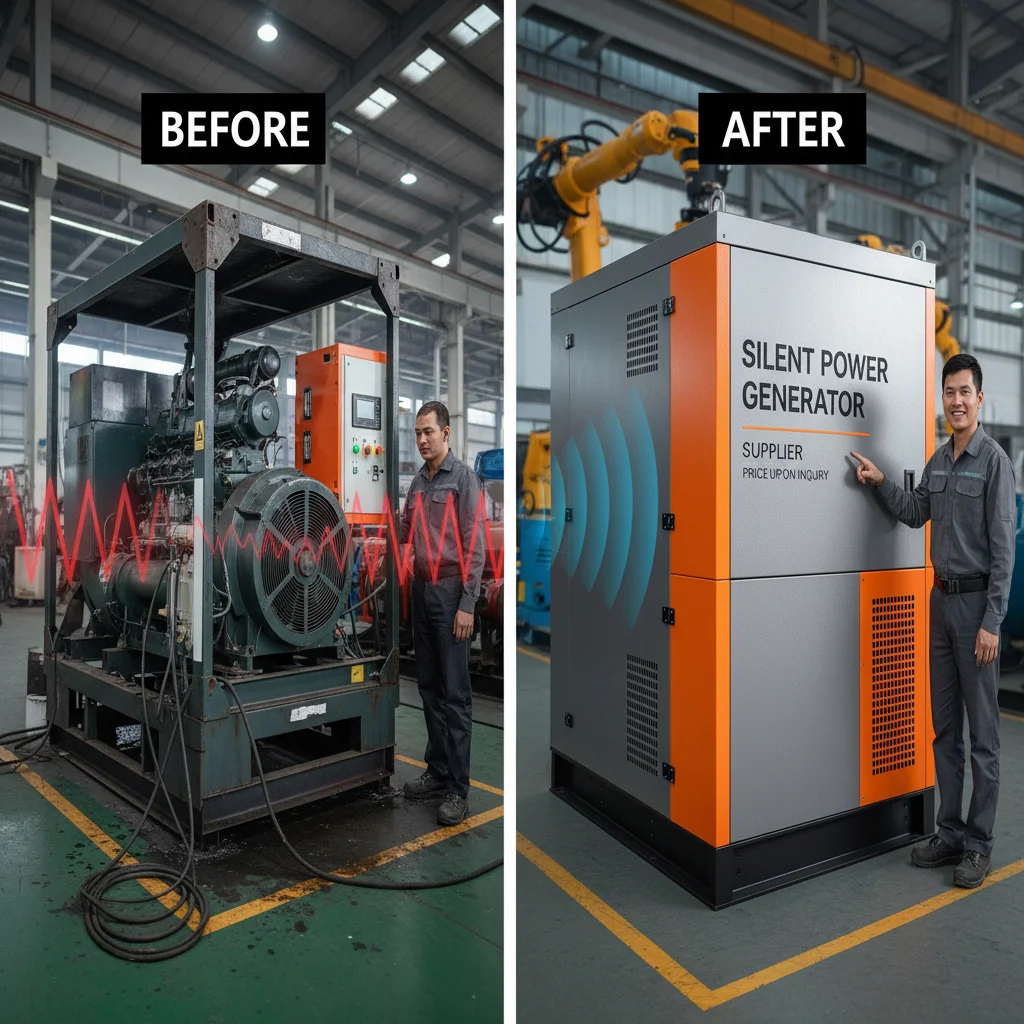
An open generator is just the engine and alternator on a frame; it is extremely loud and exposed to the elements. A silent generator is enclosed in a sound-attenuating canopy designed to absorb noise and protect the machinery, making it suitable for urban or residential environments.
Generally, no. While the enclosure adds an initial cost, it actually protects the engine from dust and rain, which can reduce wear and tear. The only additional maintenance is ensuring the acoustic foam remains dry and the ventilation baffles are clear of debris.
No generator is 100% silent because combustion and mechanical movement always create sound. However, "soundless" in industry terms means the noise is reduced to a level that is acceptable for the environment (usually below 70dB), which is comparable to a normal conversation.
Diesel is the gold standard for reliability and power, but Natural Gas is inherently quieter and more environmentally friendly. The choice depends on your site's fuel availability and your specific emissions targets.
Ask the factory for a certified decibel (dB) report conducted at a standardized distance (usually 7 meters). Reputable factories provide these tests based on ISO 8528 standards to prove their acoustic claims.
Conclusion
Navigating the complexities of the soundless generator price Factory market reveals that the true value of a power system lies in the harmony between cost, performance, and acoustic impact. By focusing on integrated sound-dampening engineering and sourcing directly from the manufacturer, businesses can secure reliable, compliant power without the inflated costs of retail distribution. From the durability of containerized units to the versatility of mobile silent generators, these solutions provide a critical safety net for modern infrastructure.
Looking forward, the industry will continue to merge mechanical power with digital intelligence and green energy. We suggest that enterprises prioritize units with scalable acoustic options and hybrid-ready capabilities to future-proof their investments against tightening environmental laws. For those seeking a partner that combines technical expertise with transparent pricing, we invite you to explore our specialized range of silent power solutions. Visit our website: www.jskcgenerator.com