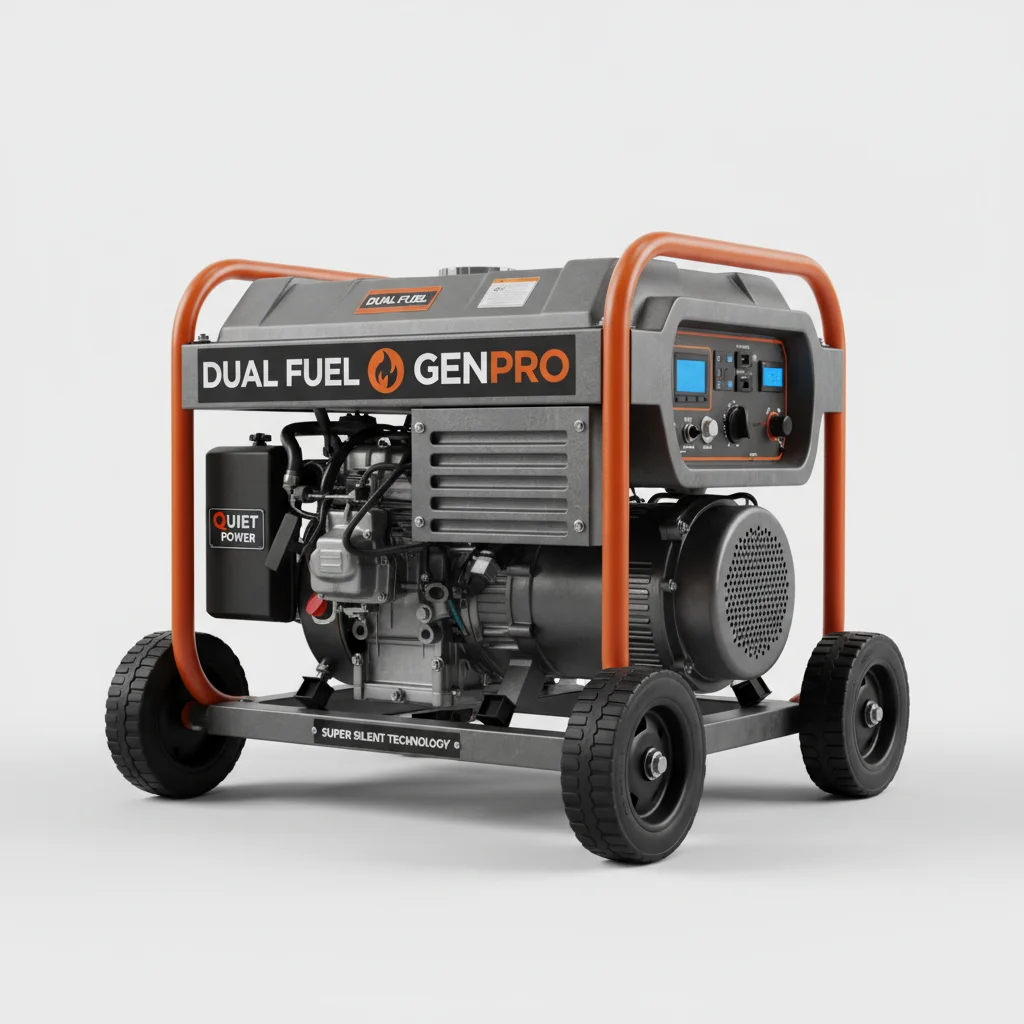
Finding a reliable quiet electric generator Factory is essential for businesses and individuals who require stable power without the disruptive noise pollution typically associated with heavy machinery. In an era where urban density is increasing and noise ordinances are becoming stricter, the demand for high-efficiency, low-decibel power solutions has shifted from a luxury to a technical necessity.
The global energy landscape is currently witnessing a transition toward hybrid and silent power systems. Whether it is for critical healthcare facilities, luxury residential complexes, or outdoor events, the ability to generate electricity silently ensures that operational continuity does not come at the cost of environmental comfort or regulatory compliance.
Understanding the engineering behind a quiet electric generator Factory allows procurement managers and engineers to make informed decisions. By focusing on acoustic enclosure technology, vibration isolation, and advanced engine calibration, these factories provide solutions that balance raw power with sophisticated noise mitigation.
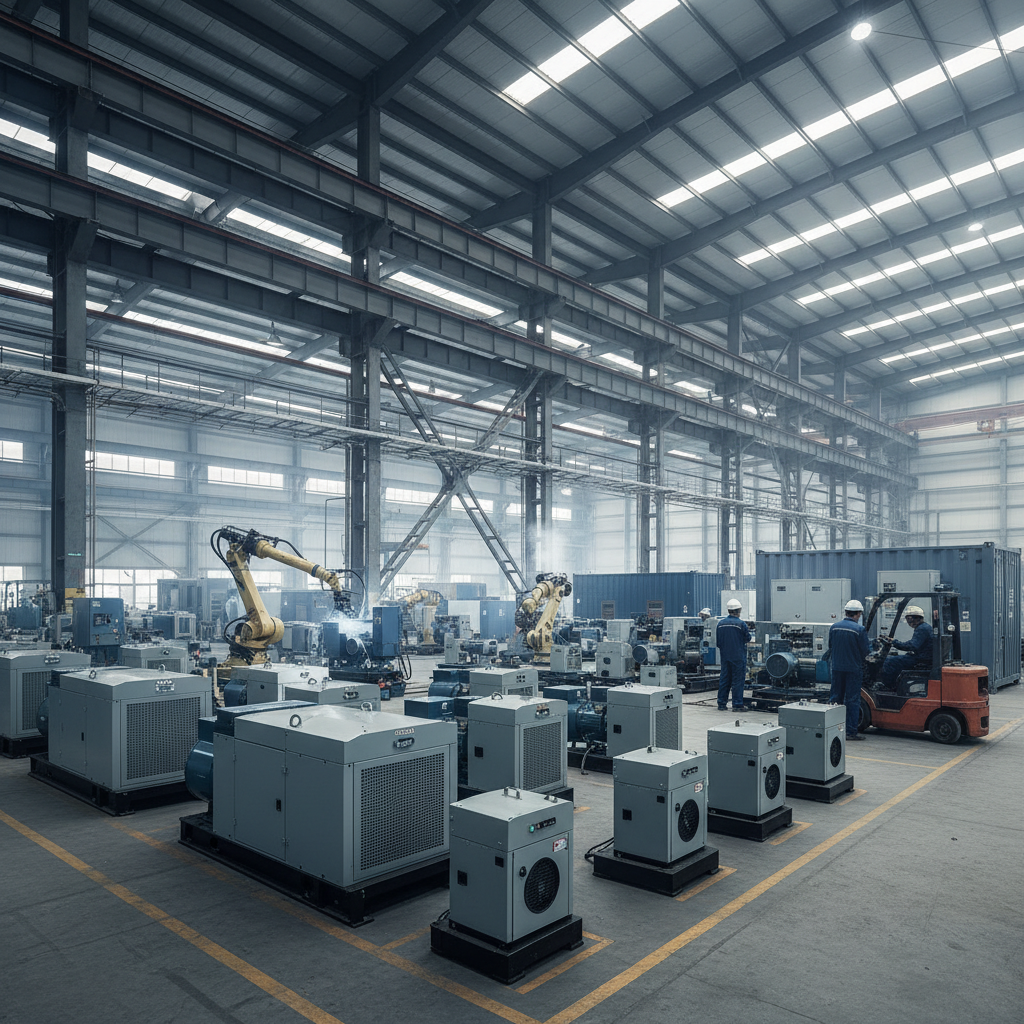
Global Industry Context of Quiet Power Generation
The global demand for silent power is driven by the rapid expansion of "Smart Cities" and the stringent noise pollution guidelines set by organizations like the World Health Organization (WHO) and various ISO standards. As industries move toward more integrated urban environments, the roar of a traditional diesel engine is no longer acceptable, pushing the quiet electric generator Factory to innovate beyond simple mufflers.
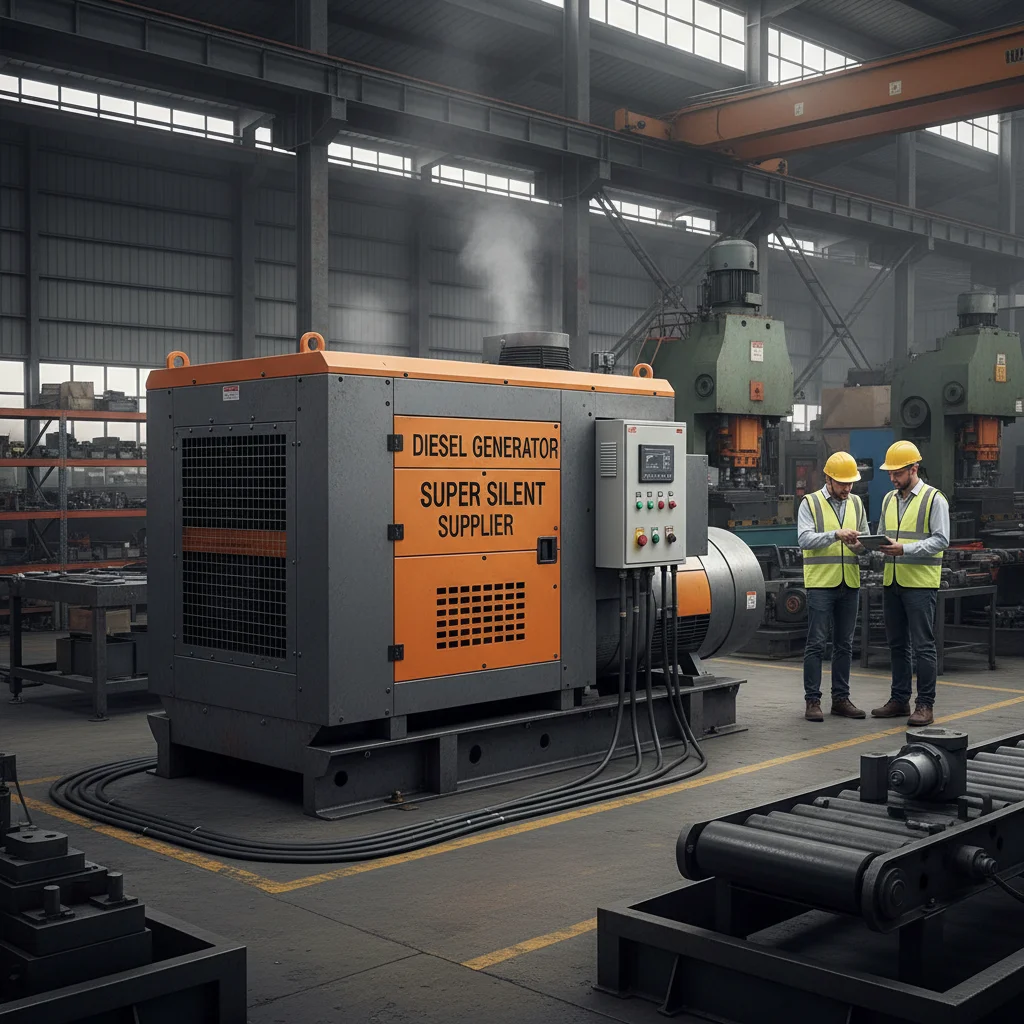
Modern infrastructure projects now prioritize "acoustic footprints" alongside carbon footprints. From the deployment of Mobile Silent Diesel Generators in emergency response to the installation of Container Type Diesel Generators in data centers, the industry is shifting toward holistic sound attenuation that integrates thermal management with noise control.
Defining the Quiet Electric Generator Factory Standard
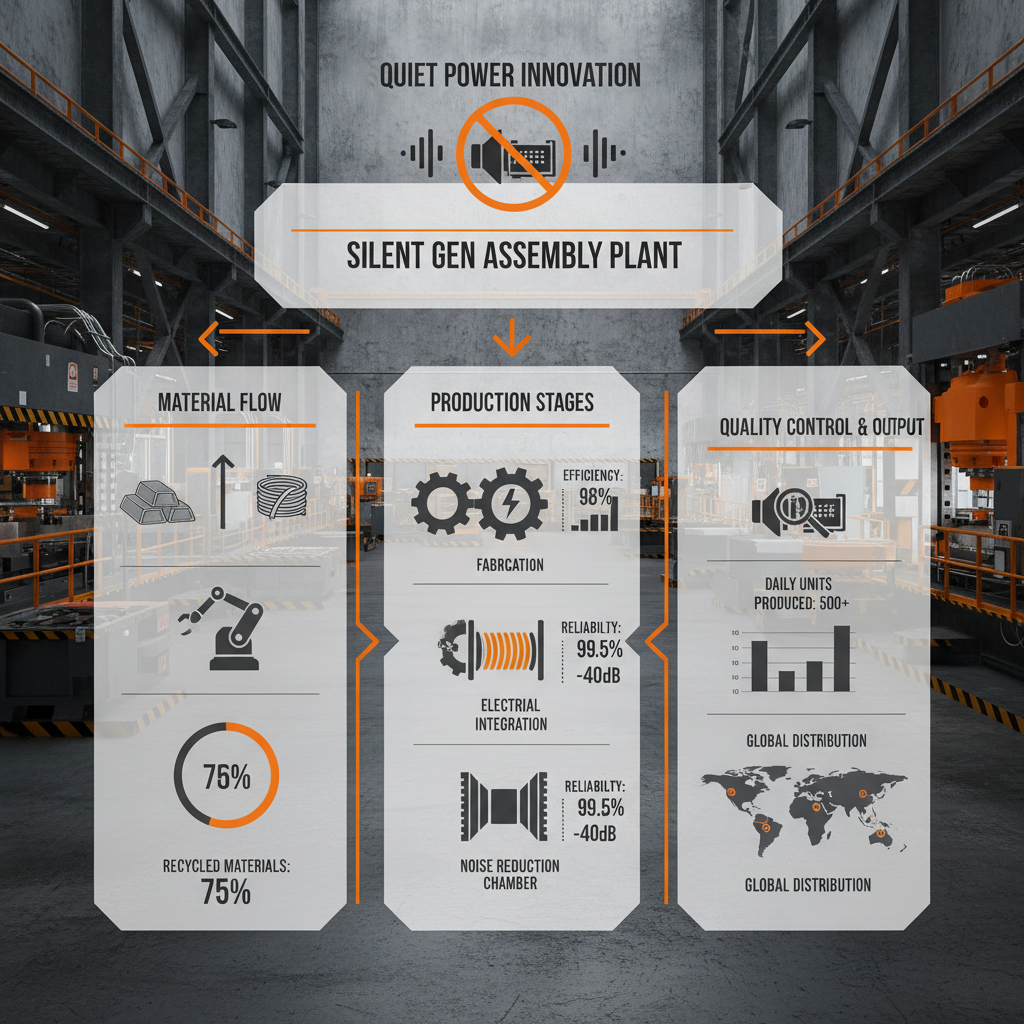
A quiet electric generator Factory is not merely a manufacturing plant; it is a specialized engineering hub that blends mechanical power generation with acoustic science. Unlike standard factories, these facilities focus on the "Sound Power Level" (SWL) and "Sound Pressure Level" (SPL), ensuring that the output of a Natural Gas Generator or a Silent Diesel Generator meets specific decibel thresholds at a rated distance.
At its core, this standard involves the implementation of multi-layered sound-absorbing materials and precision-engineered airflow paths. The goal is to prevent the escape of low-frequency vibrations and high-frequency mechanical noise, which are the primary causes of auditory fatigue and environmental complaints in industrial zones.
Furthermore, this definition extends to the integration of smart controllers that optimize engine RPM to minimize noise during low-load periods. By synchronizing mechanical hardware with intelligent software, a professional factory ensures that the power output remains stable while the acoustic profile remains discreet.
Core Components of Noise Reduction Technology
The first line of defense in any quiet electric generator Factory is the acoustic enclosure. These high-grade shells are constructed using galvanized steel and lined with fire-retardant, sound-absorbing foams that trap sound waves, preventing them from bouncing back into the environment.
Crucially, the integration of advanced vibration dampers and flexible couplings is what separates a mediocre product from a professional one. By isolating the engine from the chassis, a quiet electric generator Factory eliminates structural noise, ensuring that the ground does not act as a conductor for mechanical hums.
Finally, the exhaust system is redesigned with critical attenuators and residential-grade silencers. These components are meticulously tuned to neutralize the combustion noise of Open Diesel Generators, transforming them into Silent Diesel Generators capable of operating in proximity to residential or office areas without causing disruption.
Operational Efficiency and Scalability Factors
When evaluating a quiet electric generator Factory, efficiency is measured not just by fuel consumption, but by the "Noise-to-Power Ratio." This means delivering maximum kilowatts while maintaining the lowest possible decibel output, ensuring that scalability does not lead to an exponential increase in noise.
For large-scale deployments, such as those using Container Type Diesel Generators, scalability is achieved through modular acoustic baffles. These allow the factory to expand power capacity while keeping the noise containment focused on the source, preventing the "echo chamber" effect often found in large industrial halls.
Performance Benchmarks for Quiet Electric Generator Factory Solutions
Global Applications and Real-World Use Cases
In post-disaster relief operations, the deployment of a Mobile Silent Diesel Generator is critical. When medical tents are established in residential neighborhoods, a quiet electric generator Factory provides the necessary power for life-saving equipment without adding to the chaotic noise of the environment, thereby reducing stress for patients and rescuers.
In high-end urban hospitality, Natural Gas Generators are often integrated into the basement of luxury hotels. These systems, engineered by a specialized quiet electric generator Factory, ensure that guests are never aware of a power transition, maintaining the ambiance and silence that high-paying clientele expect.
Long-Term Value and Sustainability Benefits
The investment in equipment from a certified quiet electric generator Factory yields significant long-term dividends. Beyond the immediate benefit of noise reduction, silent generators typically feature better thermal insulation, which protects the engine from external environmental stressors, leading to longer operational lifespans and lower maintenance costs.
From a social impact perspective, reducing noise pollution is a contribution to community health. Constant exposure to loud machinery leads to increased cortisol levels and sleep disturbances. By choosing silent technology, companies demonstrate corporate social responsibility (CSR) and avoid costly legal disputes regarding noise ordinances.
Furthermore, the move toward "quiet" often coincides with "clean." Many factories are integrating hybrid capabilities, allowing for a seamless switch between diesel and cleaner energy sources, ensuring that the power solution is as sustainable as it is silent.
Future Trends in Silent Power Engineering
The next frontier for the quiet electric generator Factory is the integration of Active Noise Cancellation (ANC) technology. Similar to high-end headphones, future generators may employ microphones and opposing sound waves to cancel out engine noise in real-time, potentially reducing the need for bulky physical enclosures.
Digital transformation is also playing a key role. IoT-enabled monitoring systems now allow factory engineers to track the acoustic health of a generator remotely. If a bearing begins to wear down—increasing the noise level—the system can alert the operator before a mechanical failure occurs, shifting maintenance from reactive to predictive.
As the world moves toward "Net Zero," we expect to see a rise in hydrogen-powered silent generators. These will combine the zero-emission benefits of hydrogen with the ultra-quiet delivery systems perfected by current diesel and gas factories.
Comparison of Silent Generator Technologies and Factory Specs
| Generator Category |
Noise Reduction Level |
Primary Application |
Maintenance Score (1-10) |
| Silent Diesel Generator |
High (60-75 dB) |
Residential Areas |
8 |
| Container Type Diesel |
Very High (55-70 dB) |
Industrial Parks |
9 |
| Natural Gas Generator |
Medium-High (65-80 dB) |
Commercial Buildings |
7 |
| Mobile Silent Unit |
High (65-75 dB) |
Emergency Relief |
6 |
| Open Diesel (Modified) |
Low-Medium (85-95 dB) |
Remote Construction |
10 |
| Hybrid Silent System |
Ultra High (<60 dB) |
Medical Facilities |
8 |
FAQS
A quiet generator produced by a professional quiet electric generator Factory utilizes an acoustic enclosure—a sound-dampening shell—combined with high-efficiency mufflers and vibration-absorbing mounts. While a standard generator allows engine noise to radiate freely, silent models trap these sound waves using specialized foam and structural barriers, significantly reducing the decibel level at the point of use.
Not if it's engineered by a reputable factory. Professional silent generators use "labyrinth" airflow designs. These allow cool air to enter and hot air to exit through sound-baffled vents, ensuring that noise is trapped while heat is efficiently dissipated. This prevents the engine from overheating even during prolonged high-load operations.
While you can add a third-party canopy, it is rarely as effective as a factory-built solution. A quiet electric generator Factory integrates the enclosure with the engine's specific vibration frequencies and airflow needs. Retrofitting often leads to cooling issues or insufficient noise reduction compared to an integrated Silent Diesel Generator.
Generally, Natural Gas Generators are quieter than diesel units due to the nature of the combustion process. However, when housed in a professional enclosure from a silent factory, the difference becomes negligible. For the absolute quietest experience, hybrid systems (battery + generator) are the gold standard as they only run the engine to recharge the batteries.
First, calculate your total peak wattage load. Then, consider the distance from the generator to the nearest noise-sensitive area. A quiet electric generator Factory can provide a decibel-drop chart to help you determine if a standard silent canopy is enough or if you need a full containerized solution for maximum attenuation.
In terms of mechanical parts, the cost is similar. However, you must occasionally inspect the sound-absorbing foam for degradation and ensure the air baffles are clear of debris. Because the enclosure protects the engine from dust and weather, silent generators often have a longer overall lifespan than open-frame units.
Conclusion
Choosing a partner among the available quiet electric generator Factory options is a strategic decision that impacts operational efficiency, environmental compliance, and community relations. By integrating advanced acoustic enclosures, vibration isolation, and intelligent engine tuning, these factories transform raw power into a discreet utility, enabling critical infrastructure to operate silently in the heart of urban centers or sensitive disaster zones.
As we look toward a future defined by sustainable and smart energy, the fusion of silence and power will only become more critical. Investing in high-quality, low-noise power solutions today not only secures your energy independence but also ensures your business remains a respectful and sustainable neighbor in an increasingly crowded world.
Visit our website for professional power solutions: www.jskcgenerator.com