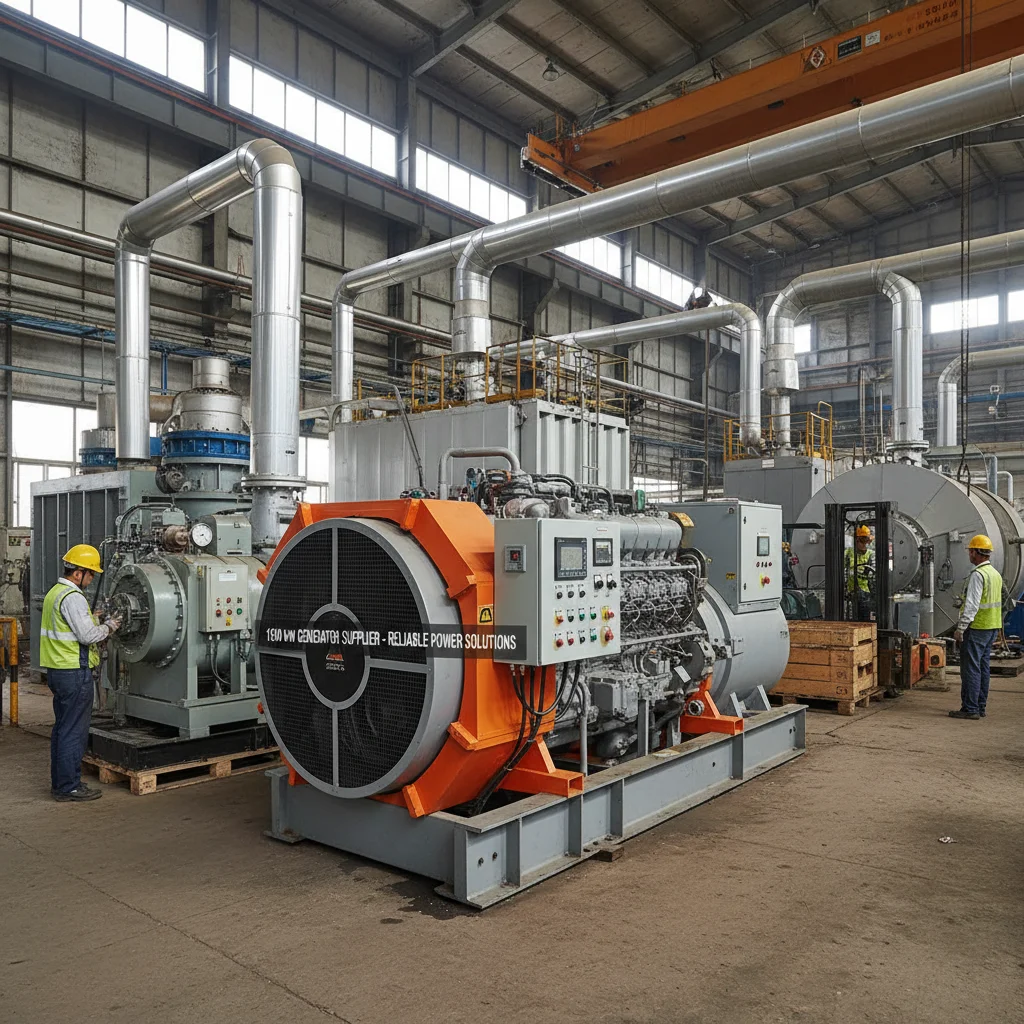
Look, I've spent the last fifteen years knee-deep in dust and concrete, watching projects rise from the ground. And let me tell you, when it comes to power on site, especially in remote locations or during emergencies, you need reliability. That’s where containerized generator Factory come in. They’re not just a box with an engine; they’re a complete, self-contained power solution built to handle anything the job throws at them. Forget about endlessly sourcing diesel, worrying about security, or struggling with setup – these units simplify everything. It’s a game changer for keeping schedules on track and crews safe.
We’re talking about real-world problems solved here. I’ve seen projects delayed for weeks just because getting a reliable power supply to a remote location was a nightmare. Traditional generators require a ton of infrastructure, constant maintenance, and a dedicated team just to keep them running. Containerized generator Factory eliminates all that. Everything’s pre-wired, tested, and ready to go. It cuts down on transportation costs, reduces installation time, and frees up your team to focus on actual construction – not power management.
And it’s not just construction. After disasters, when roads are blocked and infrastructure is down, these units are lifelines. I’ve worked with disaster relief organizations who rely on these systems to power hospitals, communication centers, and essential services. They're a practical, resilient solution for situations where you can’t afford downtime. It's about preparedness, and frankly, peace of mind.
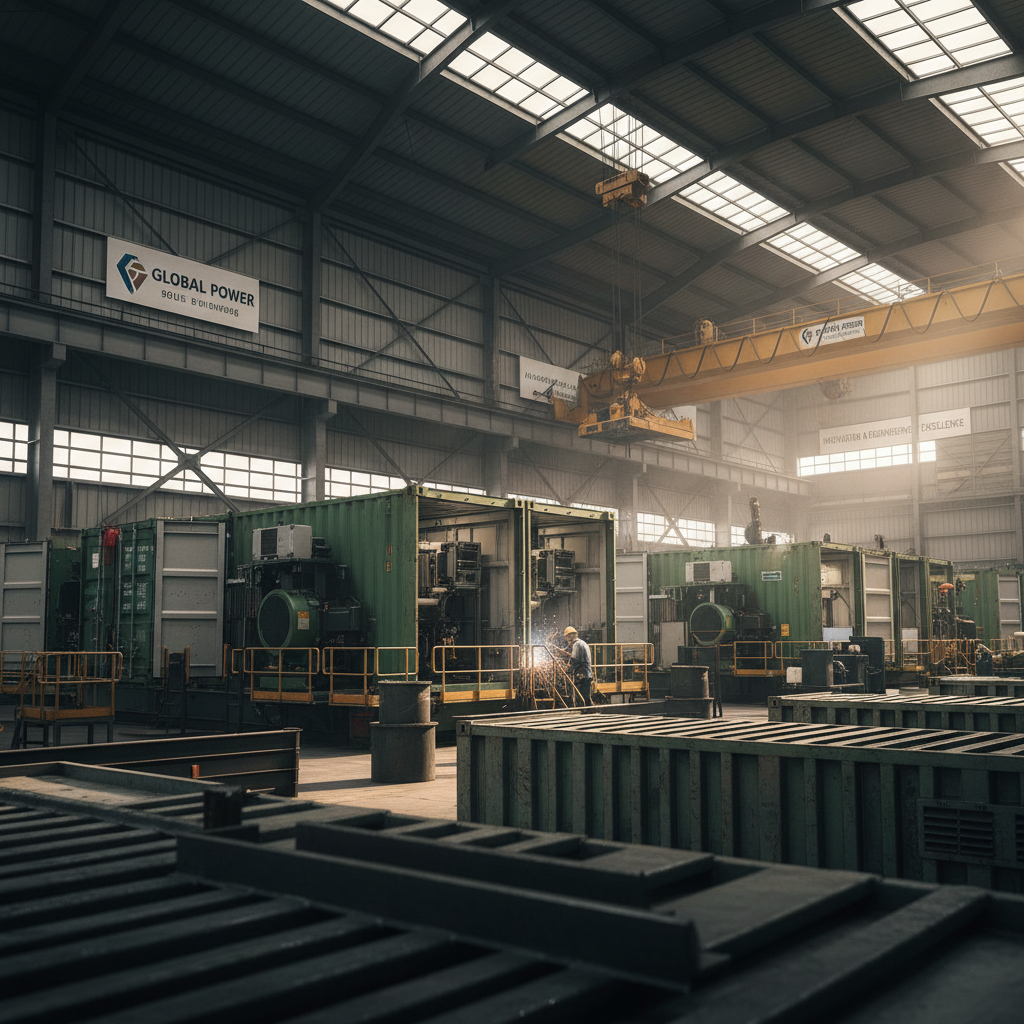
The Core Benefits of Containerized Generator Factory
The biggest thing I see with these units is the reduction in hassle. You’re not assembling a generator and all its supporting systems on-site. It arrives ready to plug in and go. This directly translates to time saved and labor costs reduced. It's a huge advantage on projects where every hour counts.
Plus, the security aspect is huge. Everything is locked within a hardened container, protecting the generator from theft and vandalism, which unfortunately is a problem on many sites. And from a logistical standpoint, they’re incredibly easy to transport – whether by truck, rail, or even ship. That flexibility is invaluable when you’re dealing with complex project logistics.
Global Relevance and Industry Demand
Look at the stats - the global power generation market is massive, and the demand for reliable, portable power is only growing, particularly in developing nations. The UN often needs rapid deployment power for peacekeeping missions and humanitarian aid. ISO standards are increasingly requiring robust and contained power solutions for industries like oil and gas, mining, and large-scale construction. These aren't just nice-to-haves; they’re becoming essential for operational resilience.
We're seeing a surge in demand from regions experiencing rapid infrastructure development, like parts of Africa and Southeast Asia. The ability to quickly establish a power supply without needing to build a permanent infrastructure is critical. And, frankly, it’s driven by the need for business continuity. Companies can’t afford prolonged power outages, regardless of location.
The challenge is ensuring supply can meet this growing demand. The supply chains for traditional generators are complex and vulnerable. Containerized generator Factory can help streamline that process, creating more predictable and reliable access to power when and where it’s needed.
Defining Containerized Generator Factory
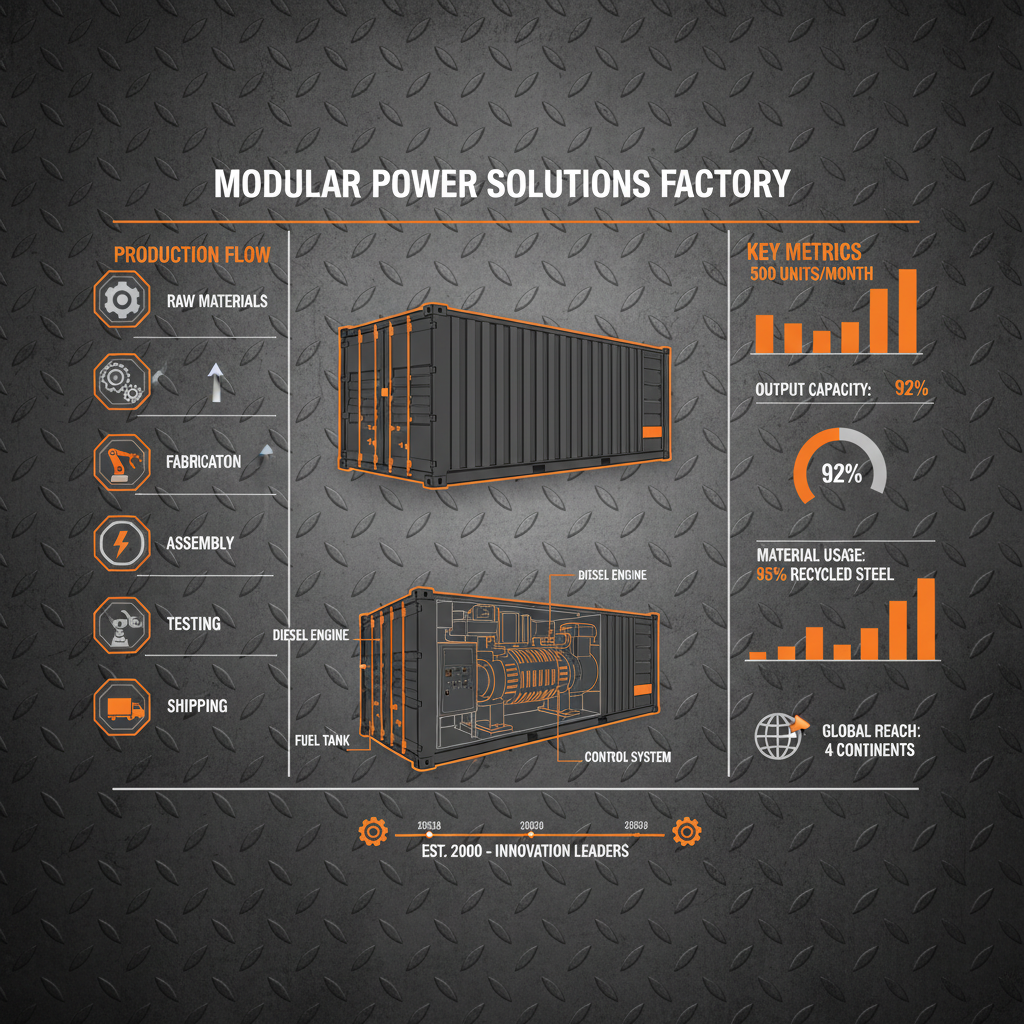
Simply put, a containerized generator Factory is a fully functional power generation system housed within a shipping container. It’s more than just a generator thrown into a box. These are engineered solutions with integrated fuel tanks, cooling systems, control panels, and safety features, all designed for easy transport and rapid deployment.
What sets them apart is the standardization. The container format allows for easy handling by existing infrastructure – cranes, trucks, ships. This eliminates the need for specialized lifting equipment and reduces installation time dramatically. It's a plug-and-play solution built for harsh environments.
They connect modern industrial requirements with critical humanitarian needs. A mining operation in the Australian Outback and a disaster relief effort in Haiti can both benefit from the same core technology: readily available, reliable, and transportable power.
Key Factors: Robustness, Portability, and Efficiency
Let's talk specifics. Durability is paramount. These containers are built to withstand extreme temperatures, vibrations, and weather conditions. They’re often constructed from heavy-gauge steel and treated with corrosion-resistant coatings. I’ve seen them operate flawlessly in deserts, arctic regions, and everything in between.
Portability, as we’ve touched on, is a massive benefit. The standardized container size means you can easily move them around a site or ship them globally without needing special permits or handling procedures. And efficiency – modern containerized units often incorporate advanced engine technologies and fuel optimization systems, reducing fuel consumption and emissions.
Containerized Generator Factory Performance Metrics
Real-World Applications and Use Cases
In post-disaster relief operations, these units are critical for powering emergency response teams and providing essential services to affected communities. I’ve seen them deployed within hours of a hurricane making landfall, powering hospitals and communication networks when the grid is down.
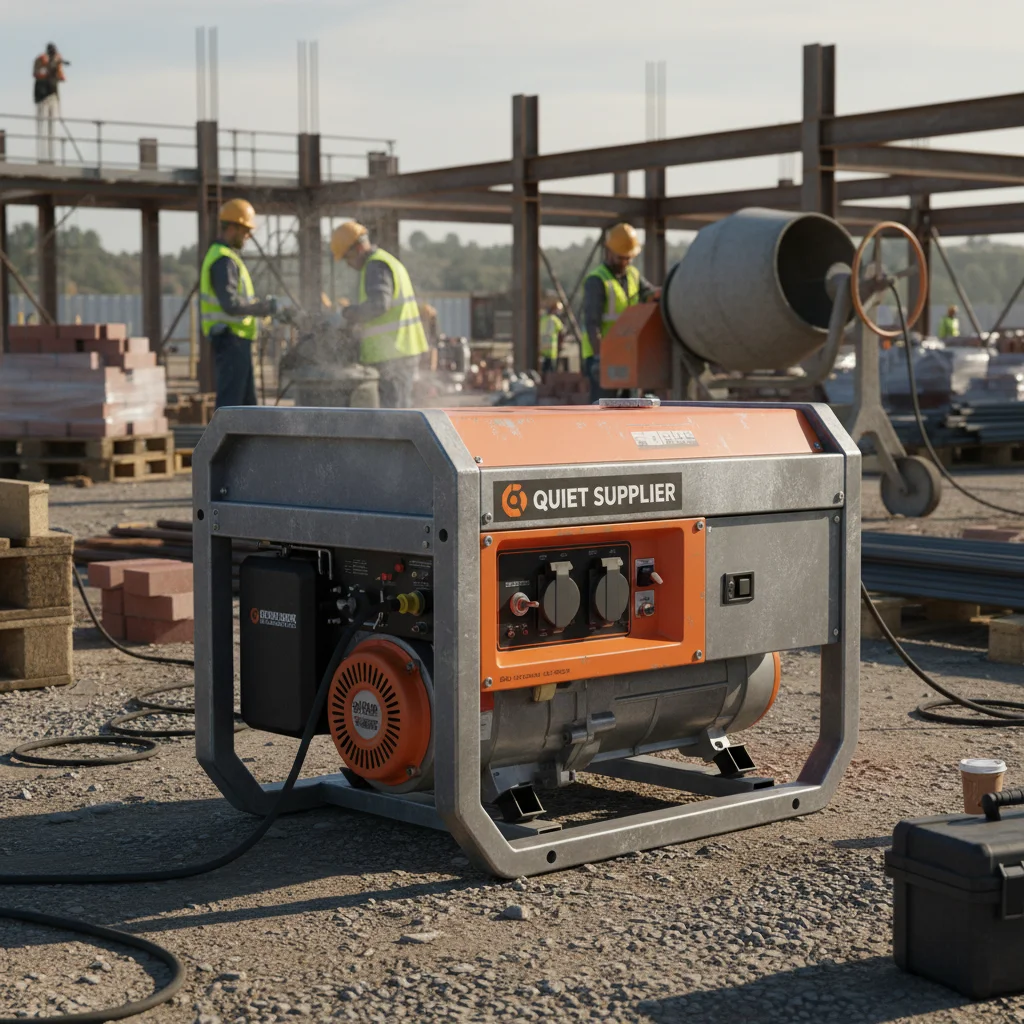
In remote industrial zones – think mining camps, oil rigs, or construction sites in challenging environments – they provide a reliable, self-contained power source that doesn’t rely on a stable grid connection. This keeps projects on schedule and reduces downtime. I’ve worked with teams setting up entire field offices powered solely by these units.
Advantages and Long-Term Value Proposition
The tangible benefits are clear: reduced costs, increased reliability, and improved safety. But there’s also a significant social impact. Providing reliable power to communities in need can improve healthcare, education, and economic opportunities. It's not just about keeping the lights on; it's about empowering people.
From a business perspective, the trust factor is huge. Clients know they can rely on a containerized generator Factory to deliver consistent power, regardless of the situation. That builds confidence and strengthens long-term relationships. This also reduces the total cost of ownership compared to maintaining multiple traditional generators.
And let’s not forget the growing emphasis on sustainability. Many manufacturers are now offering units powered by renewable energy sources, like solar or hybrid systems. That’s a huge selling point for companies looking to reduce their carbon footprint.
Future Trends and Innovations in Containerized Power
We're seeing a lot of development in hybrid systems – combining traditional diesel generators with renewable energy sources like solar and wind. This reduces reliance on fossil fuels and lowers emissions. Also, remote monitoring and control systems are becoming increasingly sophisticated, allowing operators to track performance and diagnose issues from anywhere in the world.
Automation is another big trend. Manufacturers are developing systems that can automatically start and stop the generator based on demand, optimizing fuel consumption and reducing wear and tear. And the integration of smart grids is making these units even more versatile, allowing them to seamlessly connect to existing power networks.
I also expect to see more focus on alternative fuels, like hydrogen and biofuels. As the world transitions to a cleaner energy future, containerized generator Factory will play a key role in providing reliable, sustainable power solutions.
Key Challenges and Potential Solutions in Containerized Generator Factory Implementation
| Challenge |
Impact on Project |
Potential Solution |
Implementation Cost |
| Fuel Supply Chain Disruptions |
Project delays, increased costs |
Implement on-site fuel storage; explore alternative fuel sources |
$5,000 - $20,000 |
| Remote Monitoring Complexity |
Delayed issue detection, increased downtime |
Invest in robust remote monitoring systems with alerts |
$2,000 - $10,000 |
| Extreme Weather Conditions |
Generator damage, operational failure |
Utilize weather-hardened containers; implement protective shelters |
$3,000 - $15,000 |
| Security Concerns in High-Risk Areas |
Theft, vandalism, operational disruption |
Implement security systems, on-site guards, and remote monitoring |
$1,000 - $5,000/month |
| Maintenance and Servicing Logistics |
Increased downtime, higher maintenance costs |
Establish on-site maintenance teams or contract with local service providers |
$4,000 - $12,000/year |
| Noise Pollution |
Environmental impact, community complaints |
Install soundproofing materials within the container; site generators strategically |
$2,000 - $8,000 |
FAQS
Lead times can vary depending on the complexity of the configuration and current demand. Generally, you can expect a delivery timeframe of 6-12 weeks for standard units. Highly customized solutions, or units with specific engine or component requirements, may take longer. It’s always best to discuss your project needs with us early in the planning phase to get an accurate estimate. We've seen delays recently due to global supply chain issues, so early ordering is key.
Maintenance is generally simpler and less frequent with containerized units. Because all components are integrated and protected within the container, they’re less exposed to the elements. Regular oil changes, filter replacements, and visual inspections are still required, but the overall maintenance burden is significantly reduced. Remote monitoring capabilities also allow for proactive maintenance, identifying potential issues before they cause downtime.
Most containerized generator Factory run on diesel, which is readily available globally. However, we also offer units that can operate on alternative fuels like biodiesel, natural gas, and propane. We’re actively developing units that utilize hydrogen and other renewable energy sources to meet the growing demand for sustainable power solutions. The best fuel option depends on your specific location and environmental requirements.
Absolutely. The container itself provides a significant level of sound attenuation. We also incorporate additional soundproofing materials within the container to further reduce noise levels. This is particularly important in residential areas or environmentally sensitive locations. While they’re not silent, containerized units are typically much quieter than traditional open-frame generators.
Yes, they are designed to operate reliably in a wide range of climates. We offer units with enhanced cooling systems for hot environments and insulation packages for cold climates. The container itself provides a protective barrier against dust, rain, and snow. We also offer units with corrosion-resistant coatings for marine environments. We've successfully deployed these systems in everything from the deserts of the Middle East to the arctic regions of Canada.
With proper maintenance, a containerized generator Factory can easily last 15-20 years or more. The robust construction and integrated components contribute to their longevity. We also offer extended warranty options and comprehensive service agreements to ensure your unit remains in optimal condition throughout its lifespan. Regular inspections and preventative maintenance are key to maximizing its operational life.
Conclusion
Containerized generator Factory aren't just about power; they’re about simplifying logistics, increasing reliability, and reducing costs. They’re a game-changer for industries that require flexible, portable, and dependable power solutions, from construction and mining to disaster relief and remote operations. The key is understanding the benefits go far beyond just the generator itself - it’s the complete integrated system and the peace of mind it delivers.
Looking ahead, the integration of renewable energy sources and smart grid technologies will further enhance the value proposition of these units. We’re committed to innovation and developing sustainable power solutions that meet the evolving needs of our customers. If you’re facing a power challenge, I strongly recommend exploring the possibilities that a containerized generator Factory can offer. Visit our website to learn more: containerized generator Factory.