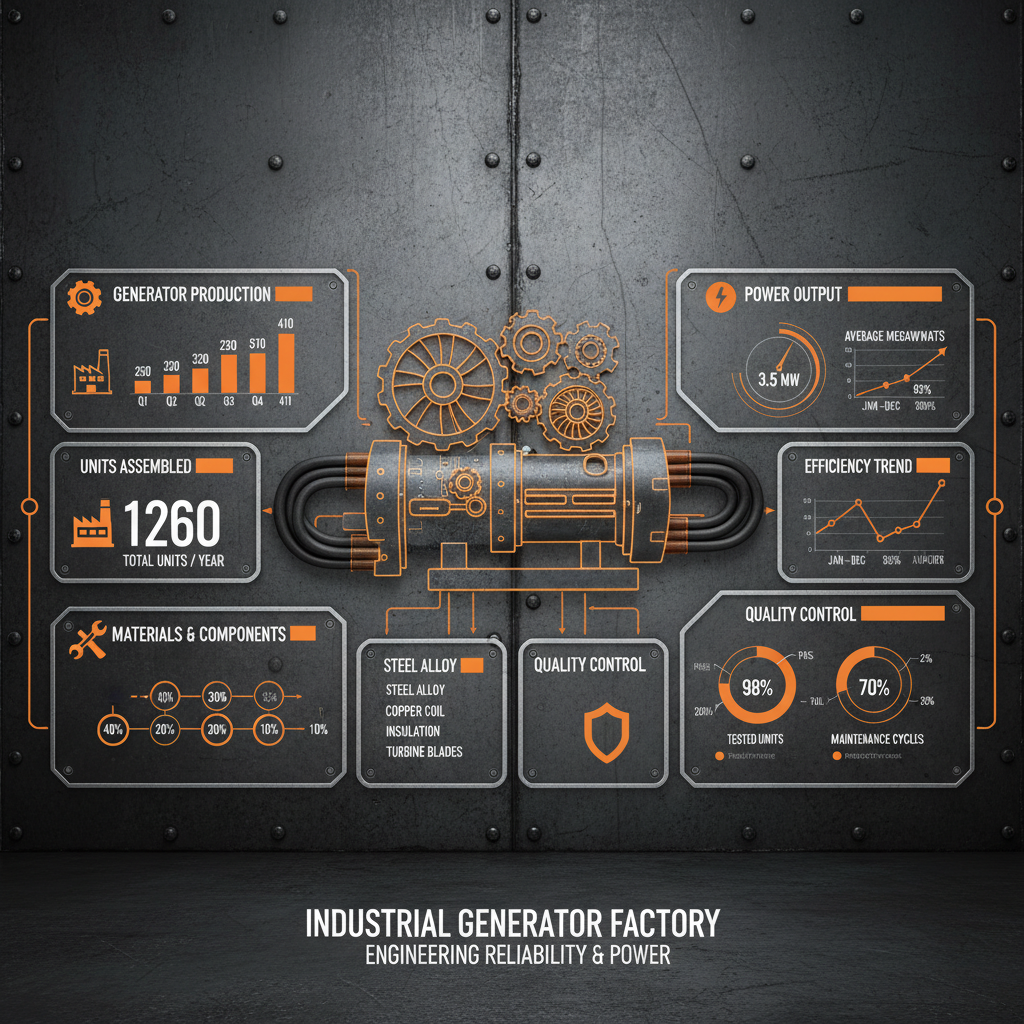
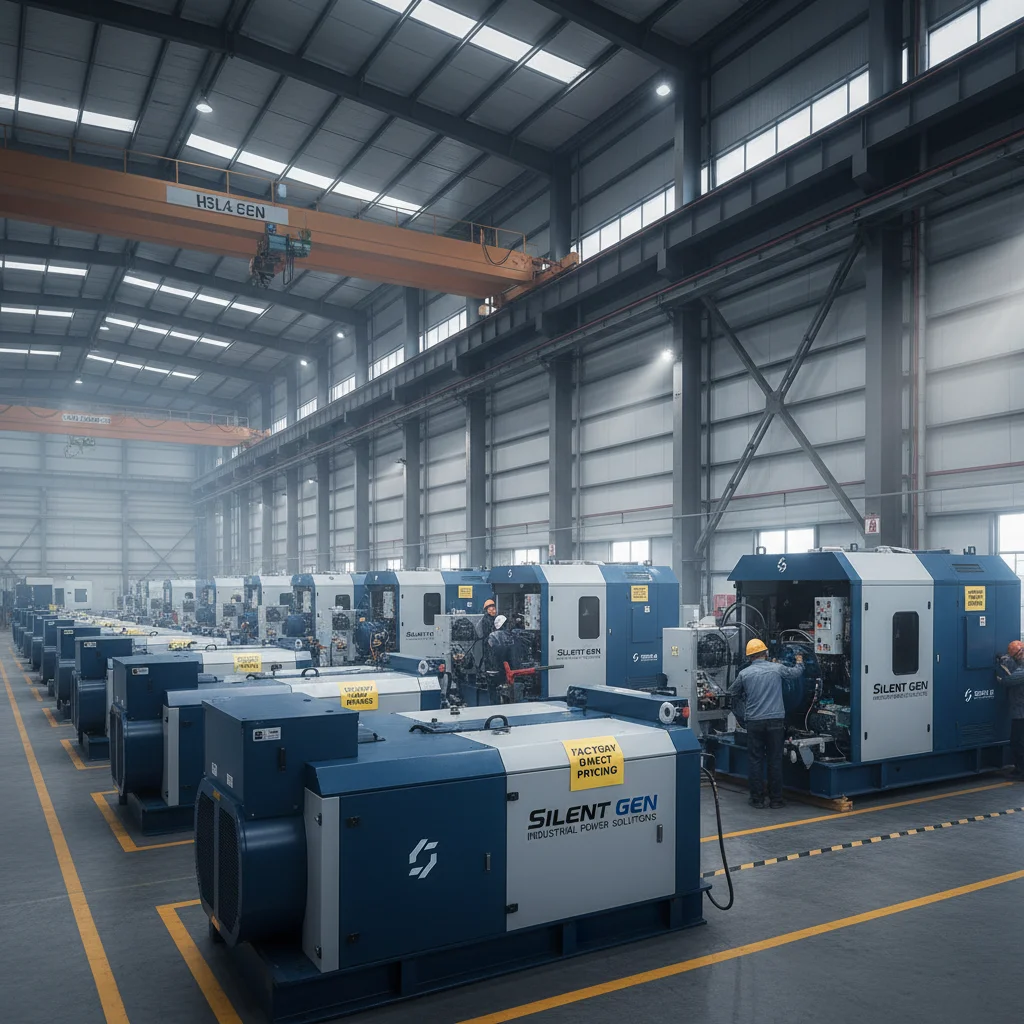
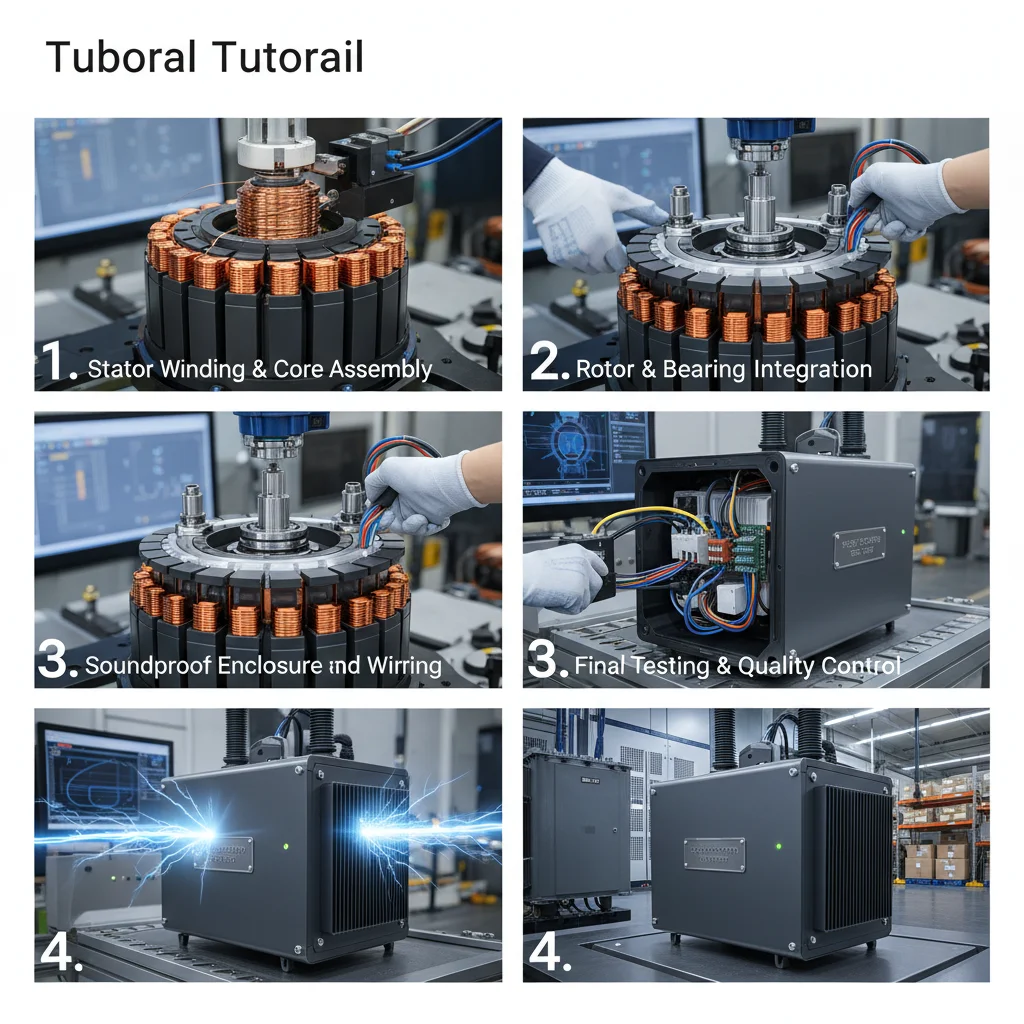
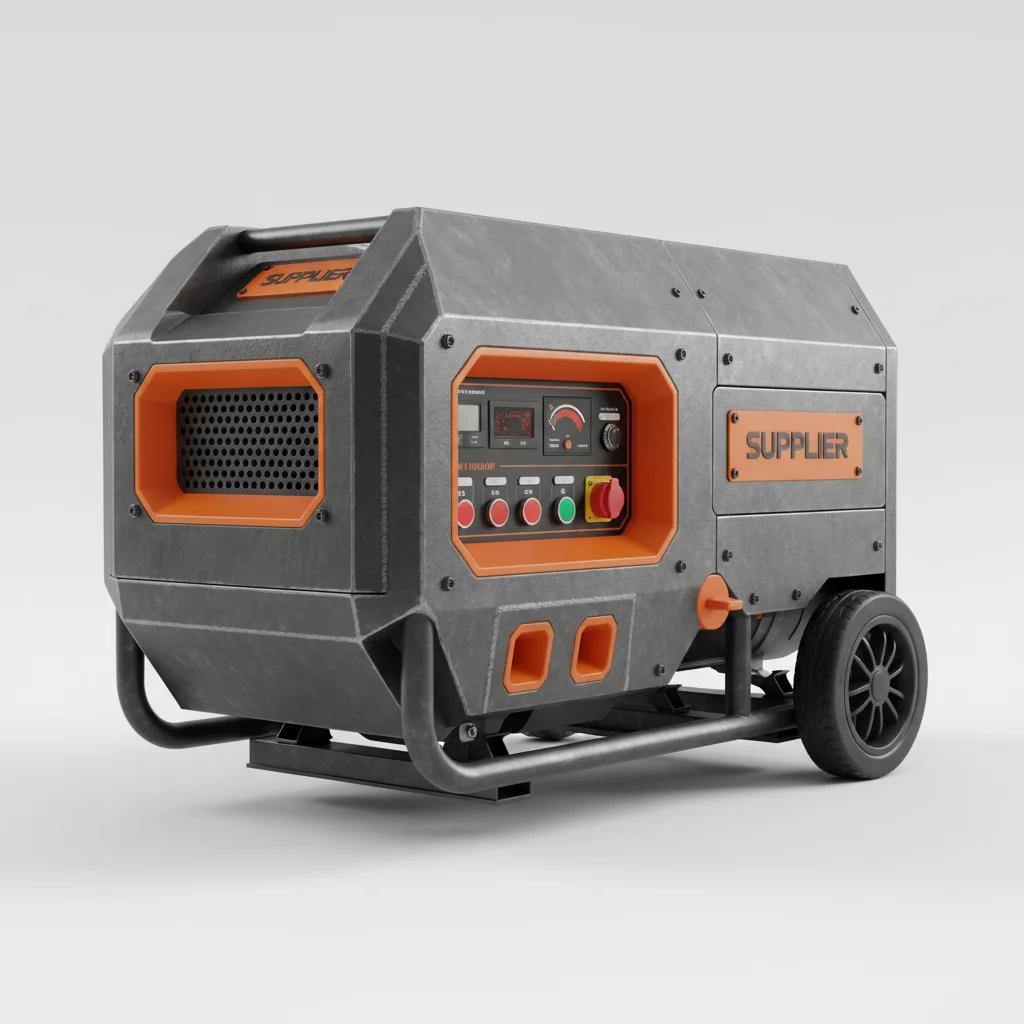
In an era of unprecedented industrial expansion and digitalization, the role of a professional industrial generator Factory has become pivotal in ensuring global energy security. Whether powering a remote mining operation or providing critical backup for a metropolitan data center, the ability to generate stable, high-capacity electricity independently of the grid is no longer a luxury—it is a operational necessity.
The global demand for robust power solutions is surging, driven by the volatility of national grids and the rise of heavy-duty infrastructure projects. An experienced industrial generator Factory does more than just assemble machinery; it engineers reliability, integrating advanced combustion technology with sophisticated control systems to mitigate the risks of costly downtime.
Understanding the intricacies of power generation—from the efficiency of Natural Gas Generators to the rapid deployment of Container Type Diesel Generators—allows businesses to optimize their capital expenditure and operational efficiency. By partnering with a specialized manufacturer, industries can ensure that their energy infrastructure is scalable, sustainable, and capable of weathering the most demanding environmental conditions.
Global Context of the industrial generator Factory
On a global scale, the reliance on an industrial generator Factory has intensified as emerging economies accelerate their industrialization. Data from international energy agencies suggest that in regions with unstable grid infrastructure, decentralized power generation accounts for a significant percentage of total industrial energy consumption. This shift is driven by the need to avoid the catastrophic financial losses associated with unexpected power outages in manufacturing plants.
Furthermore, the rise of "Industry 4.0" requires an uninterrupted flow of electricity to maintain the synchronization of IoT-enabled machinery and automated robotics. A modern factory specializing in these units is now integrating smart-grid compatibility, ensuring that diesel and gas generators can seamlessly switch between standalone and grid-parallel modes, thereby enhancing overall energy resilience across borders.
Defining the Role of an industrial generator Factory
At its core, an industrial generator factory is a specialized manufacturing hub that designs, engineers, and produces high-capacity power generation equipment. Unlike small-scale retail providers, a true factory integrates the entire supply chain—from the sourcing of heavy-duty alternators and prime movers to the final assembly of Silent Diesel Generators and Open Diesel Generators. This vertical integration ensures that every unit meets stringent international standards such as ISO and CE.
Beyond simple assembly, these facilities serve as innovation centers where thermal efficiency and emission controls are optimized. By focusing on the synergy between the engine and the alternator, an industrial generator factory can produce units that offer higher power density and lower fuel consumption, which is critical for operations in remote areas where fuel logistics are challenging and expensive.
In the broader humanitarian and economic context, these factories provide the "energy heartbeat" for critical infrastructure. From powering field hospitals in disaster zones using Mobile Silent Diesel Generators to maintaining the cooling systems of massive server farms, the outputs of these factories are essential for maintaining human safety and digital continuity in the modern world.
Core Components of Industrial Power Systems
The durability of a system produced by an industrial generator Factory depends on the quality of its prime mover. Whether it is a turbocharged diesel engine or a high-efficiency natural gas turbine, the engine must be capable of sustained heavy-load operation without overheating or significant performance degradation over thousands of hours.
Scalability is another critical factor, where the factory utilizes modular designs. For instance, Container Type Diesel Generators allow operators to add capacity in parallel as their energy needs grow, ensuring that the initial investment is protected while allowing for seamless future expansion without needing to redesign the entire power room.
Finally, the control architecture acts as the brain of the system. Modern factories implement advanced Automatic Transfer Switches (ATS) and digital controllers that monitor voltage, frequency, and fuel levels in real-time. This level of precision prevents equipment damage during power surges and ensures that the transition from grid to generator is imperceptible to the connected load.
Strategic Advantages of Factory-Direct Power Solutions
Sourcing directly from an industrial generator factory eliminates the markup of intermediaries and provides the client with an unprecedented level of customization. When a company orders a custom-built Silent Diesel Generator, they can specify everything from the acoustic attenuation levels of the canopy to the specific grade of fuel filtration required for harsh, dusty environments.
Moreover, factory-direct partnerships ensure a streamlined lifecycle for the equipment. This includes direct access to genuine spare parts and factory-trained technicians who understand the specific nuances of the machine's build, significantly reducing the Mean Time to Repair (MTTR) and increasing the overall operational availability of the power plant.
Efficiency Analysis by Industrial Generator Factory Model
Global Applications and Real-World Use Cases
In the mining and oil sectors of Sub-Saharan Africa and Central Asia, the output of an industrial generator Factory is the only thing keeping operations alive. In these remote industrial zones, Container Type Diesel Generators are deployed as primary power sources, providing the massive kilowatt loads required for drilling and crushing equipment where no grid exists.
Conversely, in densely populated urban centers in Europe and North America, the focus shifts to noise mitigation and emission compliance. Here, Silent Diesel Generators are utilized by hospitals and financial districts. In these contexts, the factory's ability to engineer sound-dampening enclosures that meet strict municipal decibel limits is the primary competitive advantage.
Future Trends in Generator Manufacturing
The transition toward "Green Power" is fundamentally reshaping the industrial generator factory. We are seeing a significant pivot toward hybrid systems that combine traditional diesel engines with large-scale battery storage and solar integration. This allows for "peak shaving," where the generator only runs during maximum load periods, drastically reducing carbon emissions and fuel costs.
Digital transformation is also playing a huge role through the implementation of Telemetry and AI-driven predictive maintenance. Future units will be able to communicate directly with the factory, alerting engineers to a potential component failure before it occurs, thus moving from a reactive to a proactive maintenance model.
Moreover, the development of hydrogen-ready engines is on the horizon. Leading factories are already prototyping units that can run on a blend of natural gas and hydrogen, positioning themselves to support a zero-emission industrial future while maintaining the high torque and reliability that only an internal combustion engine can provide.
Overcoming Challenges in Power Deployment
One of the primary challenges faced by users of an industrial generator Factory is the environmental impact and regulatory pressure regarding emissions. To solve this, factories are integrating advanced Stage V and Tier 4 Final exhaust treatment systems, including Selective Catalytic Reduction (SCR) and Diesel Particulate Filters (DPF), to ensure air quality standards are met without sacrificing power.
Logistical hurdles in transporting massive units to remote sites also present a significant barrier. The solution has been the perfection of the "Modular Container" approach. By building the entire generator system inside a standard ISO shipping container, the factory ensures that the equipment can be moved by any standard ship, truck, or rail line in the world, arriving pre-commissioned and ready for immediate plug-and-play operation.
Finally, the issue of fuel stability in long-term standby applications is addressed through the installation of automated fuel polishing systems. These systems, integrated during the factory build, continuously filter the diesel to remove water and microbial growth, ensuring that when the generator is called upon during a crisis, it starts instantly and runs flawlessly.
Comparative Analysis of Industrial Generator Factory Product Lines
| Generator Type |
Deployment Speed |
Noise Level (dB) |
Fuel Efficiency |
| Container Type Diesel |
Very High |
Medium (Enclosed) |
8/10 |
| Mobile Silent Diesel |
Instant |
Very Low |
7/10 |
| Natural Gas Gen |
Medium |
Medium |
9/10 |
| Open Diesel Gen |
High |
High |
8/10 |
| Silent Diesel Gen |
Medium |
Low |
8/10 |
| Hybrid-Electric Gen |
Low |
Very Low |
10/10 |
FAQS
The choice depends primarily on your environment. If the unit is placed near residential areas or offices, a Silent Diesel Generator is mandatory to meet noise ordinances. If the unit is housed in a dedicated, sound-proofed power room with its own ventilation, an Open Diesel Generator is more cost-effective and easier to maintain due to the lack of a canopy.
Yes, a professional industrial generator factory designs container units with weather-resistant coatings and integrated HVAC systems. They are specifically built to operate in temperatures ranging from -30°C to +50°C, making them ideal for Arctic or Desert deployments where standard equipment would fail.
With a strict adherence to the manufacturer's maintenance schedule, an industrial generator typically lasts between 20,000 to 30,000 hours of operation. Major overhauls can extend this life further, provided the alternator and engine are serviced using genuine parts from the factory.
Yes, high-capacity Natural Gas Generators can handle equivalent loads. While diesel is often preferred for "black start" emergency backup due to fuel stability, natural gas is superior for continuous prime power due to lower emissions and often lower fuel costs via pipeline connection.
By removing the distributor layer, you communicate directly with the engineering team. This allows for rapid prototyping and immediate adjustments to specifications, which typically reduces the design-to-delivery cycle by 20-30% compared to third-party procurement.
Absolutely. Most modern factories provide synchronization panels that allow multiple units to run in parallel. This not only increases total power output but also provides redundancy; if one unit requires maintenance, the others continue to carry the load without interruption.
Conclusion
The strategic value of partnering with a dedicated industrial generator Factory extends far beyond the initial purchase of hardware. From the initial engineering of Container Type and Silent Diesel Generators to the long-term provision of technical support and parts, a factory-direct relationship ensures that an organization's power infrastructure is resilient, efficient, and tailored to its specific operational environment. We have seen that the convergence of modular design, emission control, and digital monitoring is defining the next generation of industrial energy.
As we look toward a future defined by energy transition and increased industrial volatility, the emphasis must shift toward sustainable, hybrid, and smart power solutions. Investing in high-quality, factory-engineered power systems today is not just a risk mitigation strategy; it is a foundation for growth and innovation. To ensure your operations never stop, we invite you to explore our professional power solutions. Visit our website: www.jskcgenerator.com