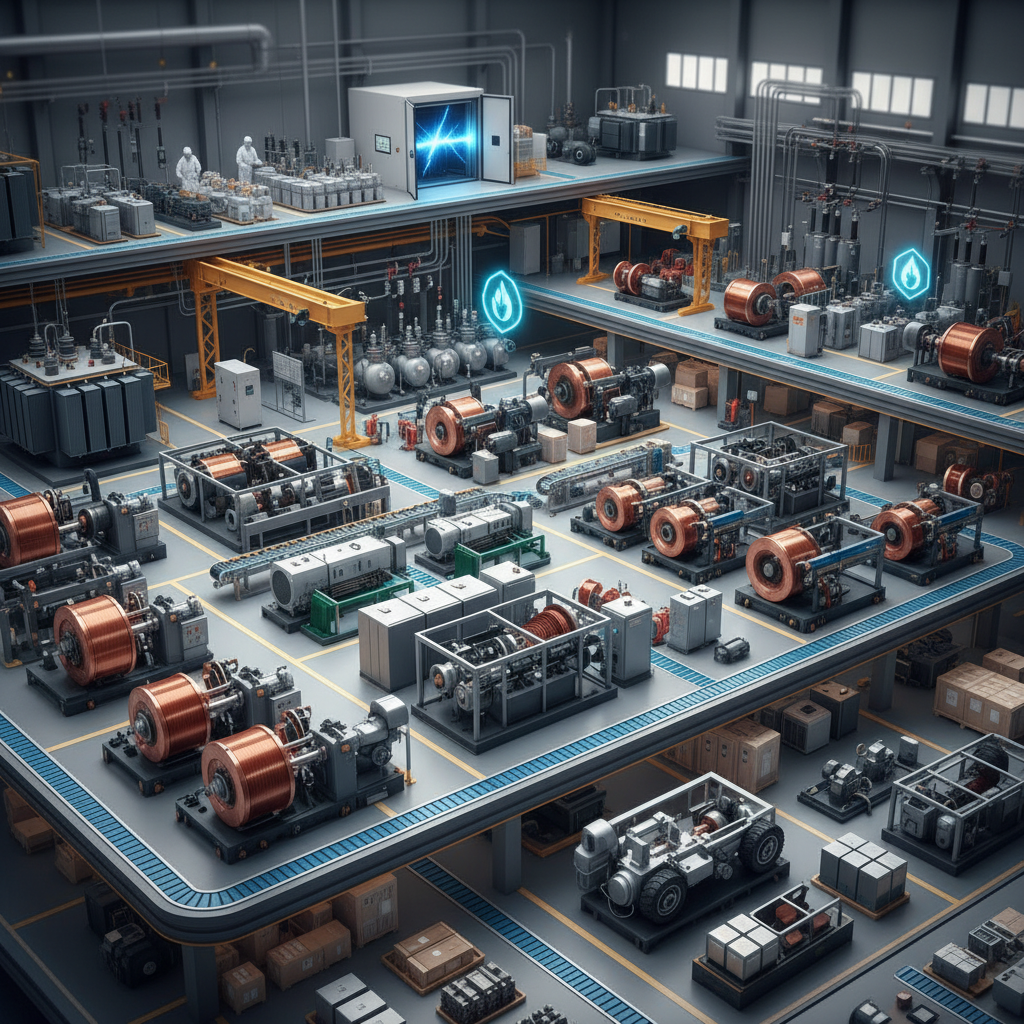
In the modern industrial landscape, ensuring a stable power supply is not merely a convenience but a critical operational necessity. A satisfactory fuel generator Factory serves as the backbone for various sectors, providing the engineering expertise required to build robust systems that can withstand extreme environments while maintaining peak efficiency. By integrating advanced combustion technology with durable chassis design, these factories ensure that businesses can avoid costly downtimes and maintain continuous productivity regardless of grid stability.
Globally, the demand for reliable backup power has surged as industries migrate toward more automated and energy-intensive processes. Whether it is a hospital requiring an uninterruptible power source or a remote mining site operating in the wilderness, the role of a satisfactory fuel generator Factory is to deliver precision-engineered machinery that balances fuel consumption with high power output. This synergy between mechanical reliability and energy efficiency is what defines the current gold standard in the electrical machinery manufacturing sector.
Understanding the nuances of generator manufacturing allows procurement managers and engineers to make informed decisions that impact the long-term viability of their infrastructure. From selecting the right fuel type—be it diesel or natural gas—to choosing between open and silent configurations, the guidance provided by a reputable factory is invaluable. This comprehensive exploration will delve into the core components, global applications, and future innovations that make a satisfactory fuel generator Factory an indispensable partner in global industrialization.
The Global Impact of satisfactory fuel generator Factory Standards
The global industrial economy relies heavily on the consistency of power. According to ISO standards and international energy reports, power fluctuations in developing regions can lead to a loss of up to 15% in annual manufacturing GDP. This is where a satisfactory fuel generator Factory steps in, bridging the gap between unstable national grids and the rigid requirements of modern machinery. By adhering to strict quality control and global emission standards, these factories provide the security needed for industrial expansion in emerging markets.
Beyond simple power generation, these factories focus on the holistic lifecycle of the product. From the initial design phase to the final load testing, every step is calibrated to ensure that the equipment can operate in temperatures ranging from -30°C to +50°C. This resilience is crucial for global deployment, ensuring that whether a unit is installed in the Arctic or the Sahara, the performance remains consistent and reliable.
Core Engineering Components of High-Performance Units
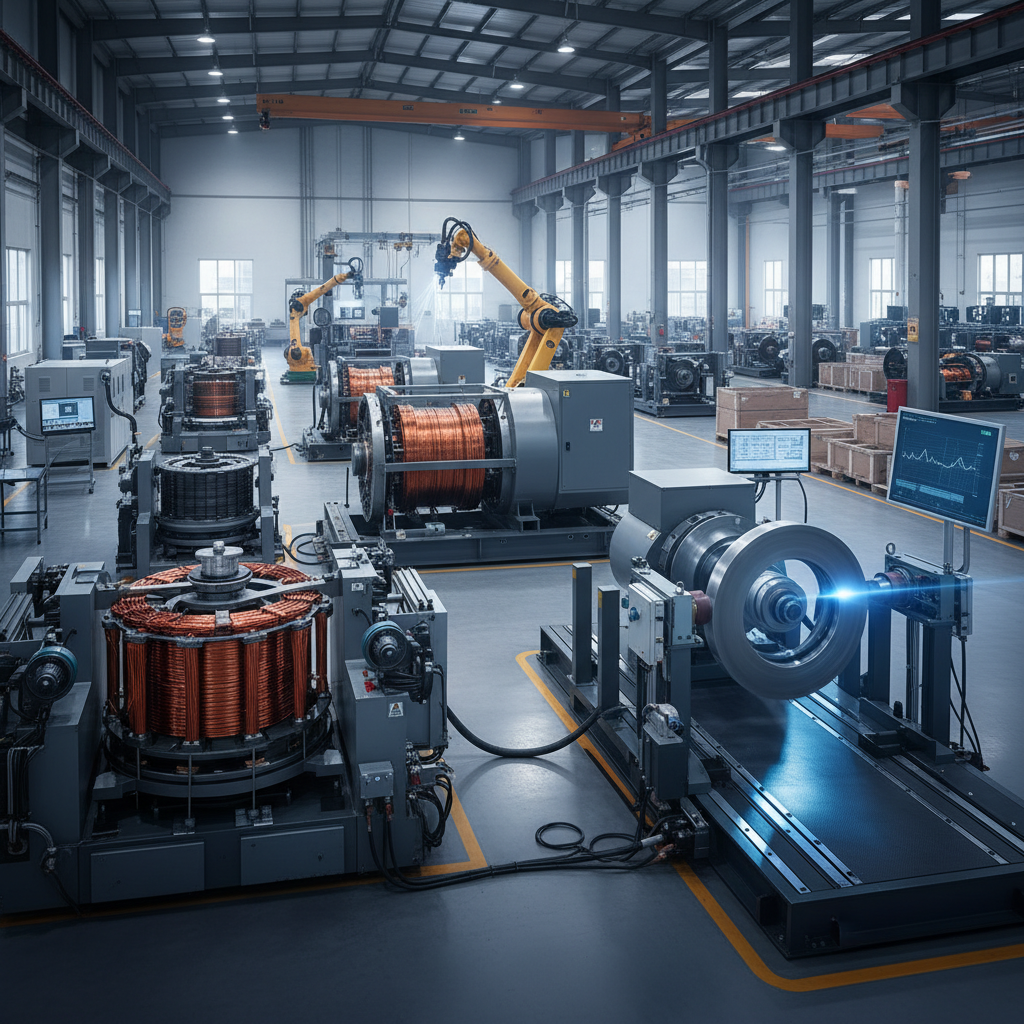
At the heart of every unit produced by a satisfactory fuel generator Factory is the engine and alternator synergy. The engine must be capable of handling sudden load spikes without stalling, while the alternator must convert mechanical energy into electrical energy with minimal loss. The use of high-grade copper windings and advanced voltage regulators (AVR) ensures that the power output is "clean," protecting sensitive electronic equipment from surges.
Cooling and ventilation systems represent another critical pillar of engineering. In a Container Type Diesel Generator, for instance, the airflow must be meticulously managed to prevent overheating during continuous 24/7 operation. A professional factory employs computational fluid dynamics (CFD) to optimize the placement of radiators and fans, ensuring that the thermal envelope is maintained even under full load.
Finally, the control system acts as the brain of the operation. Modern factories integrate PLC (Programmable Logic Controllers) that allow for remote monitoring and automatic synchronization. This means multiple generators can work in parallel to share the load, increasing overall system redundancy and ensuring that the failure of a single unit does not lead to a total blackout.
Strategic Fuel Selection and Efficiency Metrics
Selecting the appropriate fuel source is a strategic decision that impacts both operating costs and environmental footprints. A satisfactory fuel generator Factory provides a diverse portfolio, ranging from traditional diesel to cleaner natural gas alternatives, allowing clients to align their power needs with available local resources.
Fuel efficiency is measured not just by consumption per hour, but by the energy-to-fuel ratio under varying load conditions. A satisfactory fuel generator Factory utilizes advanced fuel injection systems that optimize combustion, reducing waste and lowering the emission of nitrogen oxides (NOx) and particulate matter, thus meeting stringent EPA and Euro Stage V standards.
Moreover, the integration of dual-fuel systems allows for greater flexibility. By enabling a switch between diesel and natural gas, factories empower users to hedge against fuel price volatility. This versatility is a hallmark of a forward-thinking satisfactory fuel generator Factory, ensuring that the end-user is never stranded by a single supply chain failure.
Performance Benchmarking Across Generator Types
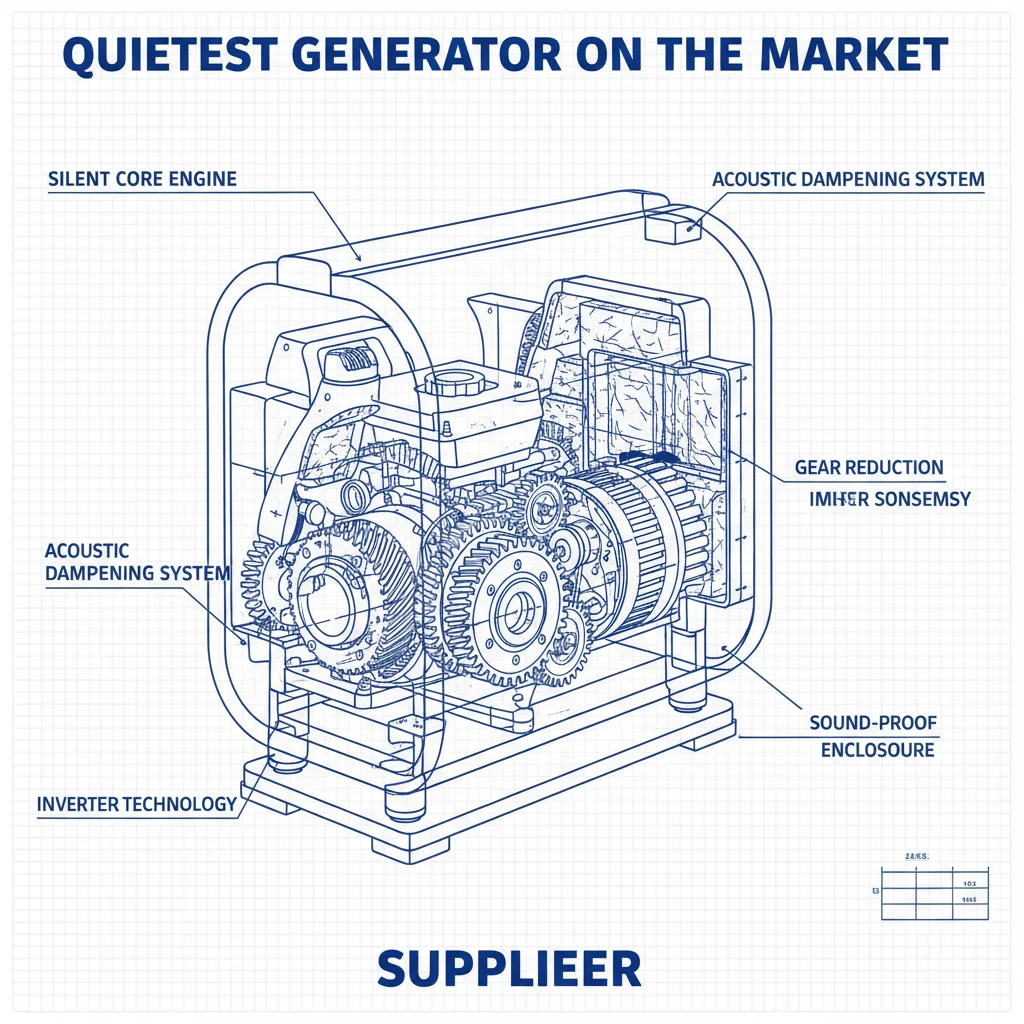
Different operational environments require different structural approaches to power generation. For instance, a Silent Diesel Generator is engineered with acoustic dampening materials to operate in residential or urban areas without causing noise pollution. In contrast, an Open Diesel Generator is preferred in industrial workshops where accessibility for maintenance is more critical than sound attenuation.
The effectiveness of these designs is validated through rigorous benchmarking. A satisfactory fuel generator Factory compares metrics such as start-up time, fuel economy, and noise decibels across its entire product line. This data-driven approach ensures that the customer receives a machine specifically tuned for their unique environmental constraints.
Efficiency and Reliability Ratings by Product Category
Real-World Applications in Diverse Industrial Zones
The versatility of equipment from a satisfactory fuel generator Factory is best seen in its deployment. In post-disaster relief operations, Mobile Silent Diesel Generators are deployed to provide immediate power to field hospitals and communication hubs, where noise reduction is vital for patient recovery and operational focus. These units are designed for rapid deployment, often arriving pre-configured and ready to run within minutes of arrival.
In remote industrial zones, such as oil rigs or deep-forest mining camps, Container Type Diesel Generators are the gold standard. These units provide a "power plant in a box," protecting the engine from harsh weather and corrosive salt air. The ability of a satisfactory fuel generator Factory to customize these containers for specific climates ensures that energy production remains uninterrupted despite the most hostile external conditions.
Long-Term Value and Economic Reliability
Investing in equipment from a satisfactory fuel generator Factory is a move toward long-term financial stability. While the initial capital expenditure may be higher than that of generic alternatives, the Total Cost of Ownership (TCO) is significantly lower. This is due to superior fuel efficiency, longer service intervals, and a higher resale value of the machinery.
Reliability translates directly into trust. For a data center, a single minute of power loss can result in millions of dollars in lost revenue and damaged reputations. By partnering with a factory that prioritizes redundant safety systems and high-grade components, enterprises purchase peace of mind. The logical angle is cost-saving; the emotional angle is the security of knowing the lights will never go out.
Furthermore, professional factories provide comprehensive after-sales support, including genuine spare parts and certified technician training. This ecosystem of support ensures that the generator does not become a liability over time but remains a high-performing asset that evolves with the company's growth.
Future Innovations in Generator Manufacturing
The industry is currently undergoing a digital transformation. A satisfactory fuel generator Factory is now integrating IoT (Internet of Things) sensors into every unit. These sensors provide real-time telemetry on fuel levels, oil pressure, and engine temperature, allowing for "predictive maintenance." Instead of fixing a machine after it breaks, AI-driven software can predict a failure before it happens, scheduling maintenance during planned downtimes.
Sustainability is also driving innovation. We are seeing a shift toward hybrid systems where traditional fuel generators are paired with large-scale battery storage. This allows the generator to run at its most efficient load point to charge the batteries, which then handle the peak loads, drastically reducing fuel consumption and carbon emissions.
Lastly, the development of hydrogen-ready engines is on the horizon. A satisfactory fuel generator Factory is already researching how to modify current internal combustion designs to accept hydrogen or synthetic e-fuels. This transition will ensure that the industrial world can maintain the reliability of on-site power generation while moving toward a net-zero emission future.
Comparative Analysis of Generator Configurations and Performance
| Generator Model |
Deployment Speed |
Noise Suppression |
Operational Lifespan |
| Container Type |
Medium |
High |
15-20 Years |
| Mobile Silent |
Very Fast |
Very High |
10-12 Years |
| Natural Gas |
Slow (Install) |
Medium |
20+ Years |
| Open Diesel |
Fast |
Low |
12-15 Years |
| Silent Diesel |
Medium |
High |
15-18 Years |
| Hybrid System |
Medium |
Very High |
10-15 Years |
FAQS
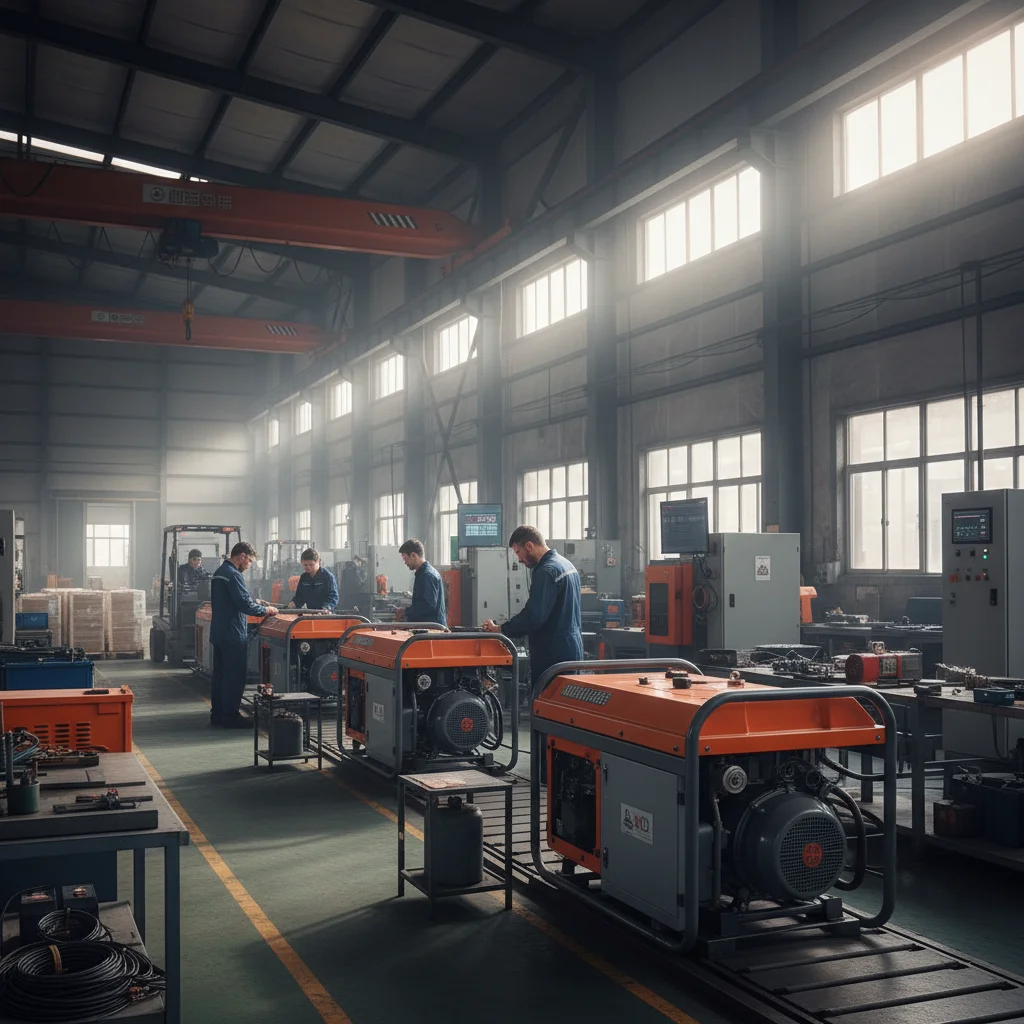
A true satisfactory fuel generator Factory handles the entire engineering process, from engine calibration and alternator winding to the fabrication of sound-attenuating enclosures. Unlike assemblers who simply put together third-party parts, a professional factory conducts full-load testing and thermal analysis to ensure the system works as a cohesive unit, guaranteeing higher reliability and better fuel efficiency.
The choice depends primarily on your environment. If your generator is located near residential areas, offices, or hospitals, a silent generator is essential to comply with noise ordinances. However, if the unit is placed in a dedicated plant room or a remote industrial site where noise is not a concern, an open generator is often more cost-effective and easier to maintain due to unrestricted access.
Generally, yes. While the initial installation of a natural gas generator may be more complex, the fuel cost per kilowatt-hour is typically lower than diesel. Additionally, natural gas burns cleaner, leading to fewer emissions and potentially lower maintenance costs related to carbon buildup in the engine, making it a preferred choice for permanent installations.
Absolutely. A modern satisfactory fuel generator Factory equips its units with advanced controllers that support protocols like Modbus or SNMP. This allows the generators to communicate with building management systems (BMS) or smart grids, enabling automatic start/stop based on grid demand and remote performance monitoring via cloud platforms.
With proper maintenance, a high-quality generator from a reputable factory can last between 15 and 25 years. The key factors influencing lifespan are the quality of the components used, the consistency of the maintenance schedule (oil and filter changes), and the load profile the generator is subjected to during its operation.
Working with a factory that provides comprehensive export documentation—including CE, ISO, and local emission certifications—is crucial. Many professional factories offer "turnkey" solutions, handling everything from the custom containerization for shipping to providing on-site installation and commissioning teams to ensure the unit is operational upon arrival.
Conclusion
In summary, the selection of a satisfactory fuel generator Factory is a pivotal decision for any organization requiring uncompromising power reliability. By balancing cutting-edge engineering, fuel flexibility, and rigorous performance benchmarking, such factories provide more than just machinery—they provide an insurance policy against power failure. From the noise-reducing shells of silent units to the rugged armor of containerized systems, the focus remains on delivering efficiency and durability that meets global industrial standards.
Looking ahead, the integration of IoT and green energy transitions will further redefine the role of the generator factory. Businesses are encouraged to move beyond looking at the initial price tag and instead evaluate the long-term value provided by energy efficiency and predictive maintenance capabilities. Investing in high-tier power solutions today ensures that your operations remain resilient, sustainable, and ready for the technological demands of tomorrow. Visit our website for more professional power solutions: www.jskcgenerator.com