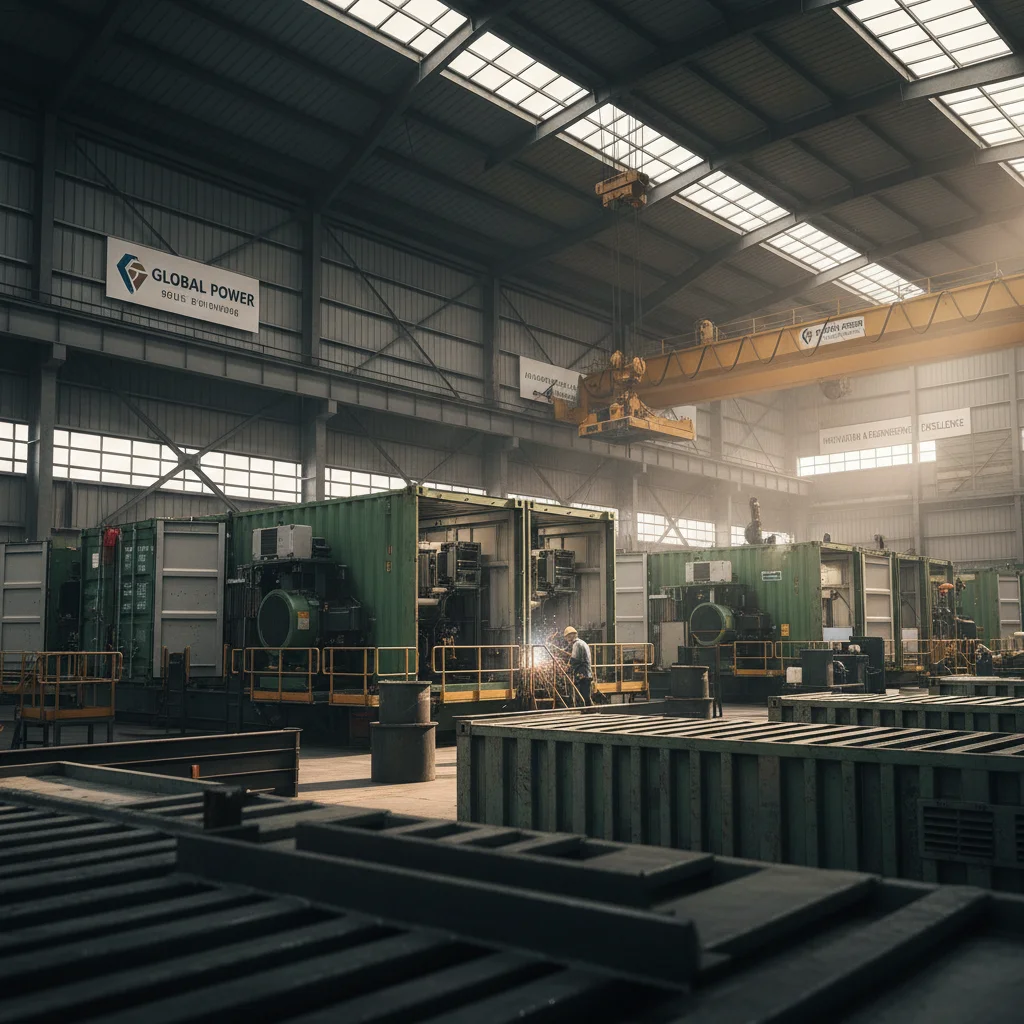
The demand for quiet operation in power generation is growing rapidly across diverse sectors, from residential use and camping to construction sites and event management. This need has fueled a significant rise in the search for the most quiet generator on the market Supplier, driving innovation in engine technology, soundproofing materials, and overall generator design. Understanding the nuances of these generators—their features, benefits, and applications—is crucial for individuals and businesses seeking reliable power without the disruptive noise pollution.
Globally, the market for portable generators is projected to continue its upward trajectory, with a particularly strong emphasis on low-noise models. According to industry reports, the demand for quieter generators is increasing by approximately 8-12% annually, driven by stricter noise regulations in urban areas and a growing awareness of the impact of noise pollution on health and well-being. The most quiet generator on the market Supplier plays a critical role in addressing these concerns.
The advancements in generator technology aren’t simply about reducing decibel levels; they’re also about increasing efficiency, portability, and environmental sustainability. Choosing the right quiet generator involves considering power output needs, fuel type, run time, and budget. For many, finding a dependable most quiet generator on the market Supplier is a priority, ensuring a seamless power solution for various applications.
The Importance of Quiet Generator Technology
The need for quiet generator technology is driven by a growing demand for power in noise-sensitive environments. Whether it’s powering equipment at outdoor events, providing backup power for homes in residential areas, or supporting construction sites near populated communities, minimizing noise pollution is paramount. The most quiet generator on the market Supplier directly addresses this concern by offering solutions engineered for minimal acoustic impact.
Beyond simply being considerate of neighbors, quieter generators also contribute to a safer working environment. Reduced noise levels improve communication, minimize stress, and reduce the risk of hearing damage for operators and those working nearby. Investing in a most quiet generator on the market Supplier is, therefore, an investment in both productivity and worker well-being.
Defining the Most Quiet Generator on the Market Supplier
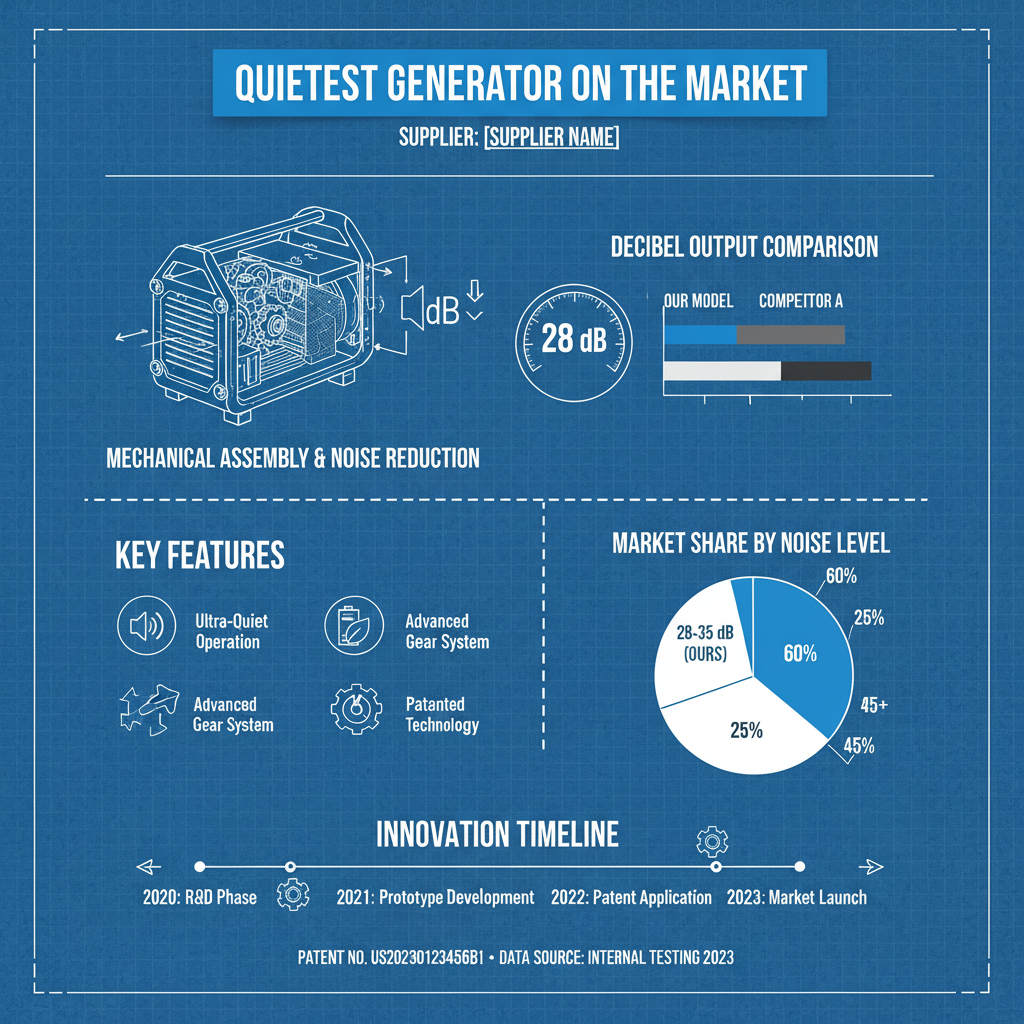
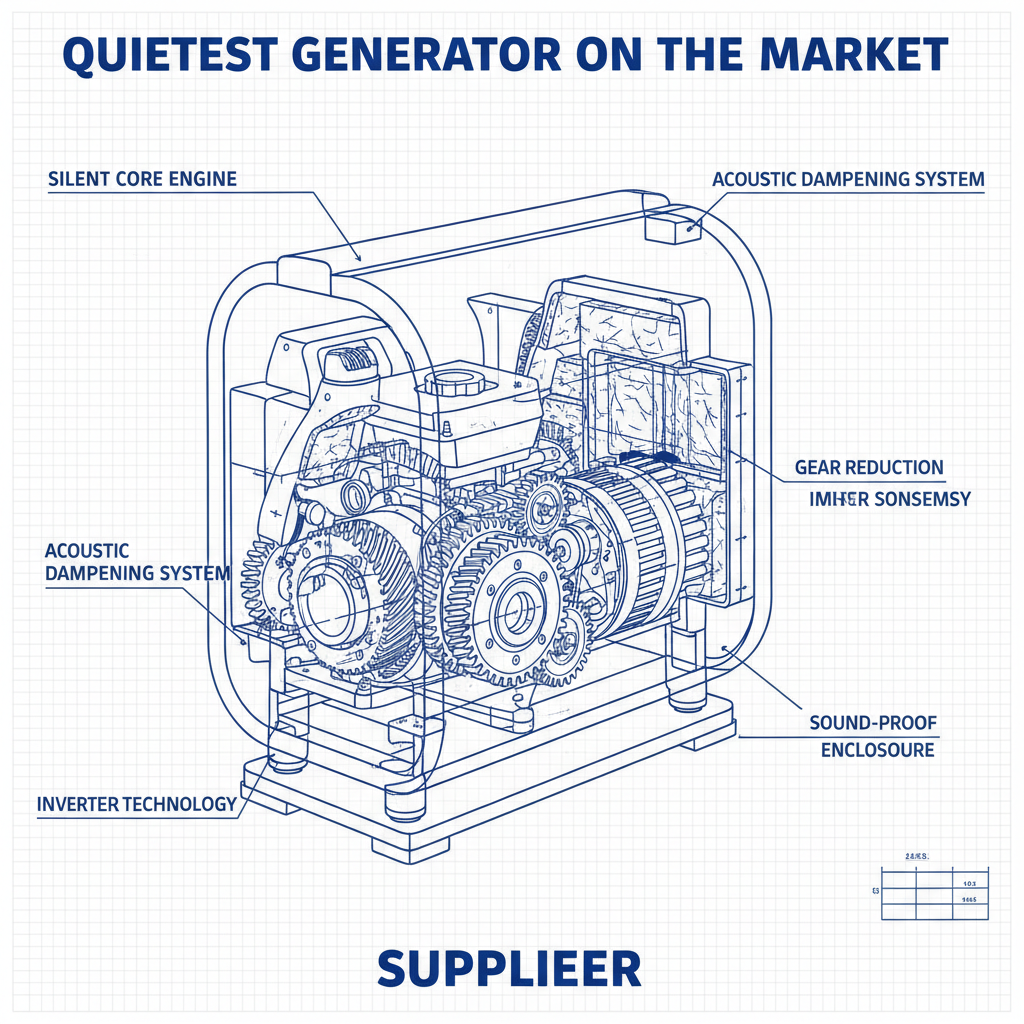
The term "most quiet generator on the market Supplier" refers to a generator specifically designed and manufactured to operate at extremely low noise levels, typically measured in decibels (dB). These generators often incorporate advanced soundproofing technologies, such as enclosed housings, noise-reducing materials, and optimized engine designs. While decibel ratings can vary, the quietest generators often operate below 60 dB at a distance of 7 meters, comparable to a normal conversation.
Identifying a true most quiet generator on the market Supplier requires careful consideration of not just the advertised dB level, but also the testing conditions. Different manufacturers may use varying methodologies, making direct comparisons challenging. Factors like load level, distance from the generator, and surrounding environment all influence perceived noise levels.
The modern most quiet generator on the market Supplier isn’t solely focused on noise reduction; it's about providing a comprehensive power solution that balances performance, efficiency, and environmental responsibility. This includes features like inverter technology for stable power output, automatic voltage regulation, and fuel-efficient operation, making them suitable for a wide range of applications.
Key Factors Influencing Generator Noise Levels
Several key factors contribute to the noise generated by a generator. Engine design is a primary component; engines with fewer moving parts and optimized combustion processes tend to be quieter. The type of engine fuel—gasoline, diesel, or propane—also affects noise levels, with diesel engines generally being the loudest. Choosing a most quiet generator on the market Supplier requires understanding how these factors interplay.
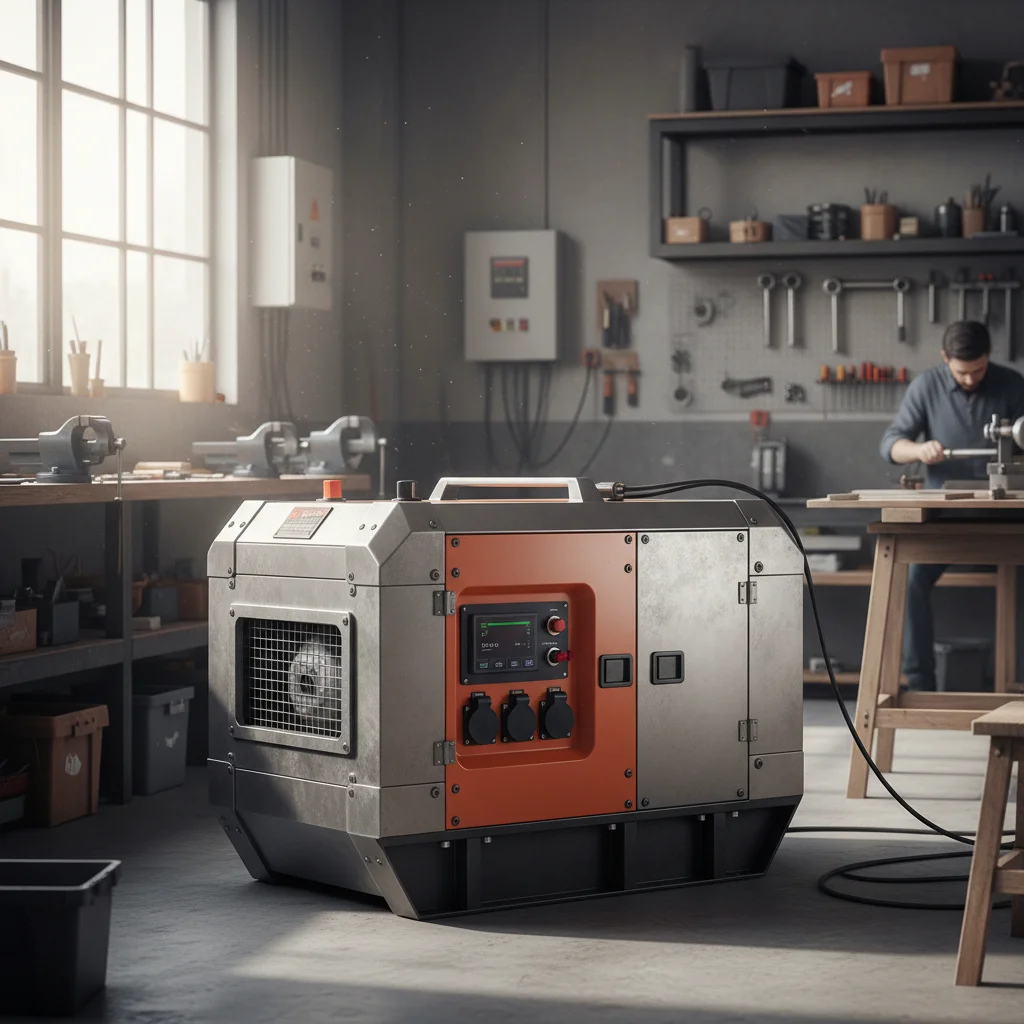
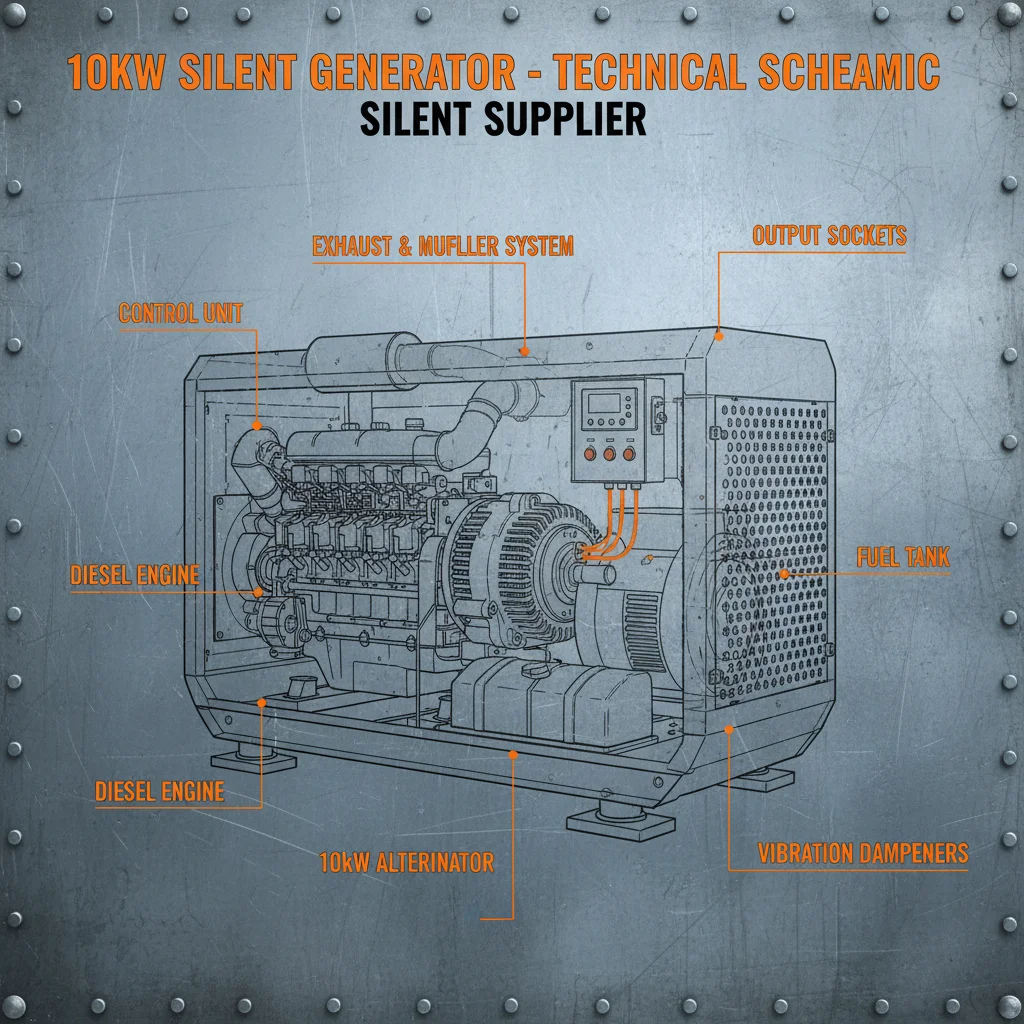
Soundproofing materials and enclosure design play a crucial role in dampening noise. Generators with fully enclosed housings constructed from sound-absorbing materials significantly reduce noise emissions. The quality and thickness of these materials directly impact the effectiveness of the soundproofing. A reputable most quiet generator on the market Supplier will prioritize these aspects of design.
Finally, vibration is a major contributor to generator noise. Proper mounting and vibration isolation techniques—such as rubber feet or anti-vibration pads—can help minimize noise transmission. The overall build quality and construction of the generator also influence how much vibration is produced.
Practical Applications of Quiet Generators
The applications for quiet generators are incredibly diverse. In the event management industry, they’re essential for powering sound systems, lighting, and vendor booths at outdoor festivals and concerts without disturbing surrounding communities. Construction companies rely on them to power tools and equipment on job sites located near residential areas.
Residential users often choose quiet generators for backup power during outages, ensuring essential appliances remain operational without causing noise complaints. Campers and RV enthusiasts appreciate their ability to power amenities while enjoying the tranquility of the outdoors. Finding a reliable most quiet generator on the market Supplier allows for more versatile and unobtrusive power solutions.
Comparison of Noise Levels Across Different most quiet generator on the market Supplier Types
Global Market Trends and Regional Demand
The global market for generators, and particularly quiet generators, is experiencing significant growth. North America and Europe currently represent the largest market share, driven by stringent noise regulations and a high demand for reliable backup power. Asia-Pacific is emerging as a rapidly growing market, fueled by increasing industrialization and infrastructure development.
Within these regions, specific sectors are driving demand for quiet generators. The telecommunications industry requires quiet backup power to maintain network operations during outages. Healthcare facilities rely on them to ensure uninterrupted power for critical medical equipment. The increasing adoption of renewable energy sources, coupled with the need for energy storage solutions, is also contributing to the growth of the quiet generator market.
The search for a most quiet generator on the market Supplier is gaining traction worldwide as awareness of noise pollution grows. This is prompting manufacturers to invest in research and development to create even quieter and more efficient generator technologies.
Advantages and Long-Term Value Proposition
Investing in a most quiet generator on the market Supplier offers numerous tangible advantages. Beyond the obvious benefit of reduced noise pollution, these generators often boast improved fuel efficiency, resulting in lower operating costs. Their durable construction and reliable performance translate to a longer lifespan and reduced maintenance requirements.
The long-term value proposition extends beyond financial considerations. Quiet generators contribute to a more sustainable environment by reducing noise stress on wildlife and improving the quality of life for nearby residents. They also enhance a company’s reputation for environmental responsibility and social awareness.
Future Innovations in Quiet Generator Technology
The future of quiet generator technology is focused on several key areas. Hybrid generator systems, combining traditional engines with battery storage, are gaining popularity, offering even quieter operation and reduced emissions. Advancements in engine materials and designs are leading to more efficient and quieter combustion processes.
Digital technologies, such as remote monitoring and control systems, are being integrated into generators, allowing for optimized performance and proactive maintenance. The development of new soundproofing materials, incorporating nanotechnology and advanced polymers, promises to further reduce noise levels. The most quiet generator on the market Supplier is at the forefront of these innovations.
Furthermore, the integration of artificial intelligence (AI) is beginning to play a role, with AI-powered systems optimizing generator operation based on real-time load demands and environmental conditions, maximizing efficiency and minimizing noise.
Analysis of Factors Influencing the Performance of Quiet Generators
| Engine Type |
Soundproofing Effectiveness |
Fuel Efficiency |
Overall Performance Score (1-10) |
| Gasoline |
Moderate |
6/10 |
7 |
| Diesel |
Low |
8/10 |
6 |
| Propane |
High |
7/10 |
8 |
| Inverter |
Very High |
9/10 |
9 |
| Dual Fuel |
Moderate |
7/10 |
7.5 |
| Natural Gas |
High |
6/10 |
7 |
FAQS
A truly quiet generator will typically operate below 60 decibels (dB) when measured at a distance of 7 meters. However, it’s crucial to check the specifications and testing conditions provided by the manufacturer, as dB levels can vary depending on load and testing methodology. Reputable most quiet generator on the market Supplier will provide accurate and transparent noise level data.
Generally, yes. Inverter generators are designed to produce cleaner, more stable power and often incorporate advanced soundproofing technologies. Their engines typically run at variable speeds, adjusting to the load demand, which results in quieter operation. However, not all inverter generators are created equal; some may prioritize power output over noise reduction.
Diesel generators are typically the loudest due to the nature of the combustion process. Gasoline generators fall in the middle, and propane and natural gas generators tend to be quieter. Inverter generators, regardless of fuel type, are generally quieter than conventional generators. Choosing a most quiet generator on the market Supplier requires careful consideration of fuel type and noise specifications.
Regular maintenance is key. Ensure the generator is properly lubricated, air filters are clean, and all panels and enclosures are securely fastened. Inspect the muffler for any damage or corrosion. Address any unusual noises promptly, as they could indicate a developing problem.
You can take steps to mitigate noise, such as placing the generator on a rubber mat to reduce vibration, constructing a soundproof enclosure (ensuring adequate ventilation), and positioning it away from noise-sensitive areas. However, modifying the generator itself may void the warranty.
Residential users often prioritize minimal disruption to neighbors and a peaceful home environment. A most quiet generator on the market Supplier ensures reliable backup power during outages without creating a nuisance. This is particularly important in densely populated areas and communities with strict noise ordinances.
Conclusion
In conclusion, the demand for a most quiet generator on the market Supplier is driven by increasing awareness of noise pollution, stricter regulations, and a desire for peaceful operation in diverse settings. Choosing the right generator involves careful consideration of factors such as engine type, soundproofing materials, and fuel efficiency. Investing in a quiet generator isn't just about minimizing noise; it’s about investing in reliability, sustainability, and overall quality of life.
Looking ahead, continued innovation in generator technology will further reduce noise levels and improve performance. As hybrid systems and AI-powered optimization become more prevalent, we can expect even quieter, more efficient, and environmentally friendly power solutions. Visit our website at www.jskcgenerator.com to explore our range of quiet generators and find the perfect solution for your needs.