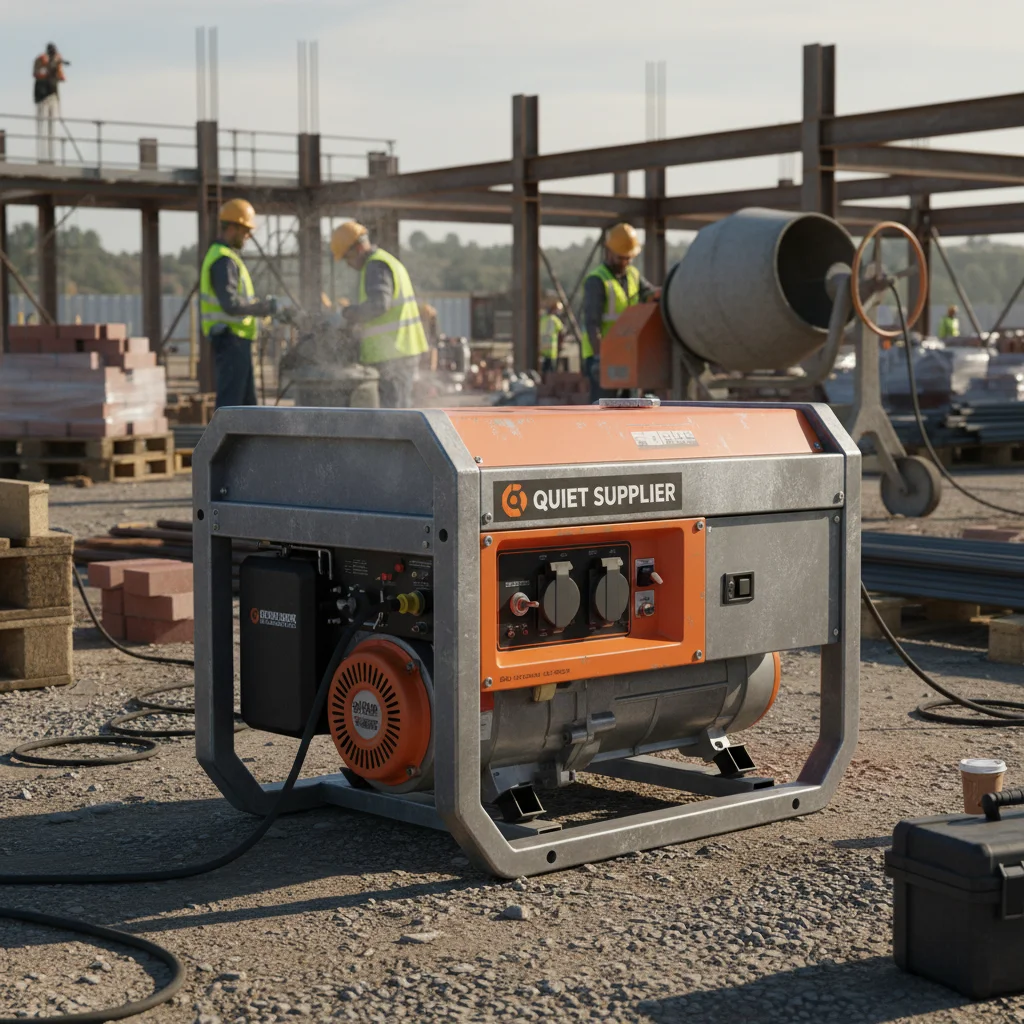
Look, I’ve spent the last fifteen years breathing concrete dust and wrestling with blueprints on sites all over the globe. I’ve seen firsthand the headaches that come with power outages, especially when you’re relying on consistent energy for critical operations. That’s why the rise of robust, reliable trailer generator Factory solutions is a game-changer. It’s not just about keeping the lights on; it's about safeguarding project timelines, budgets, and, frankly, the safety of the crews. We're talking about keeping welding rigs running, concrete pumps primed, and site security systems operational – all without relying on a potentially unstable grid connection.
For years, we patched things together with noisy, inefficient, and often unreliable generators. Maintaining those things was a constant battle. Now, with dedicated trailer generator Factory options, you get a pre-engineered, purpose-built power solution that’s ready to go. This isn’t some off-the-shelf unit jury-rigged to a trailer. These are designed from the ground up for the rigors of a construction site, minimizing downtime and maximizing output. It’s about getting work done, plain and simple.
I’ve seen too many projects stalled because of power issues, and the cost – both in money and morale – is enormous. Modern trailer generator Factory units aren't just about preventing outages; they're about providing consistent, clean power, allowing for more efficient use of equipment and reducing the risk of costly damage.
I've seen projects held hostage by unreliable power for weeks. The cost of downtime is astronomical – lost productivity, delayed schedules, liquidated damages. A dedicated trailer generator Factory unit isn’t a luxury; it’s insurance against those kinds of catastrophic losses. The construction industry operates on incredibly tight margins, and any disruption can quickly snowball.
Think about it: you’ve got a crew waiting, equipment idling, and deadlines looming. A stable power source is the foundation upon which everything else is built. Without it, the whole operation grinds to a halt. Investing in quality trailer generator Factory equipment is a smart business decision that pays for itself many times over.
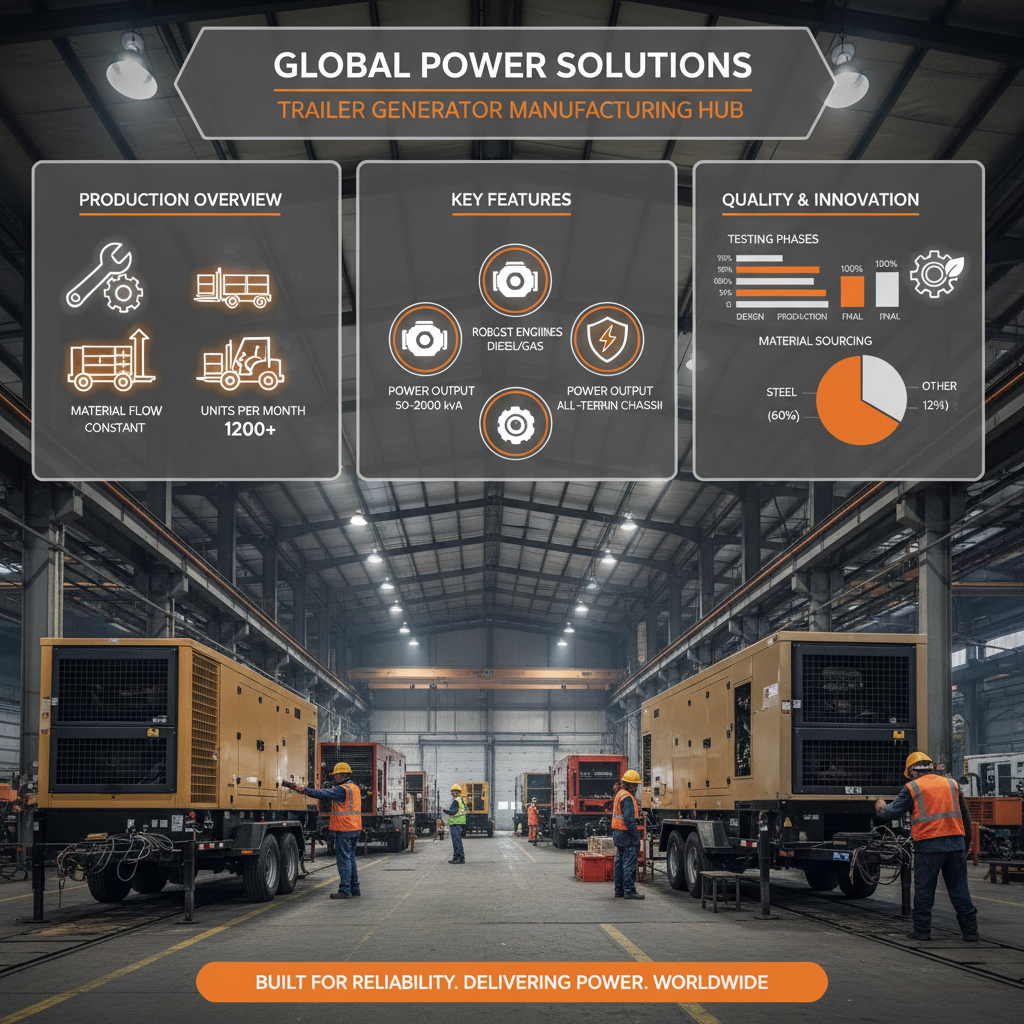
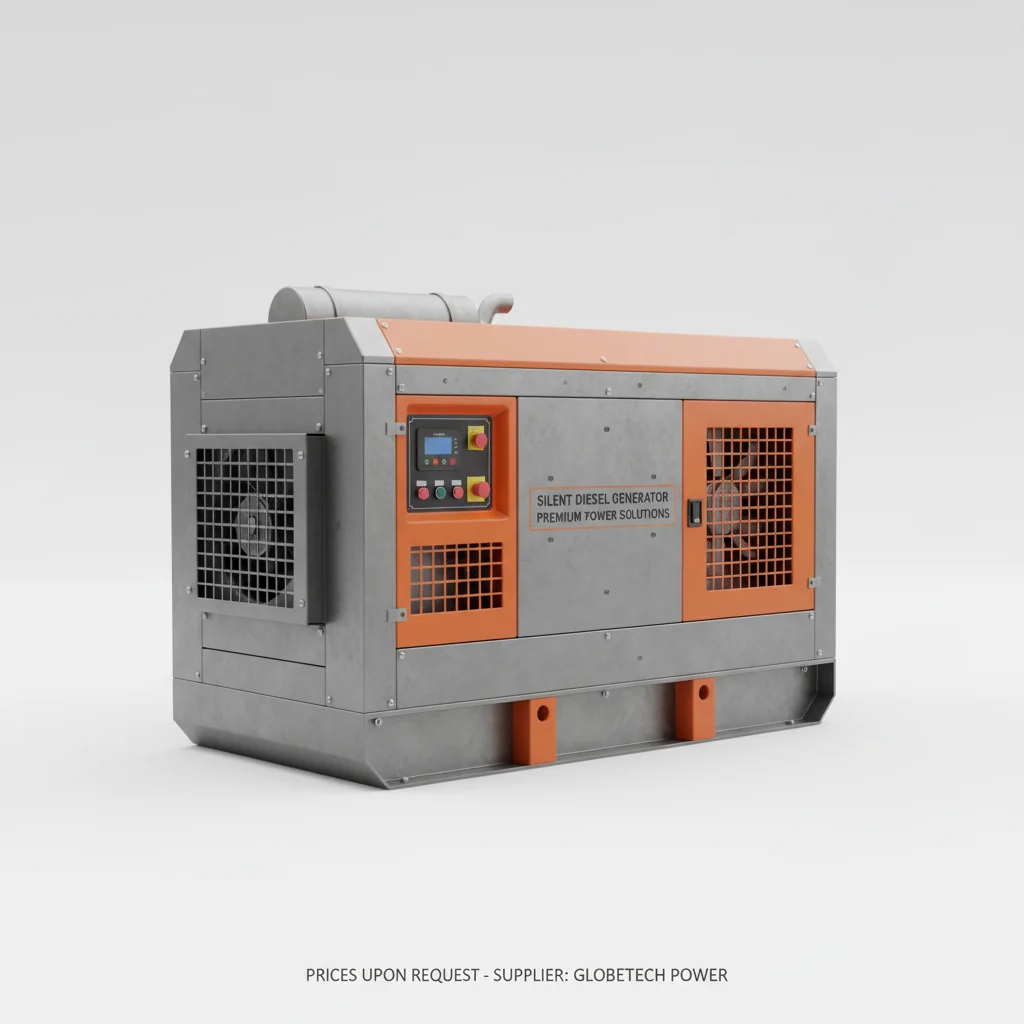
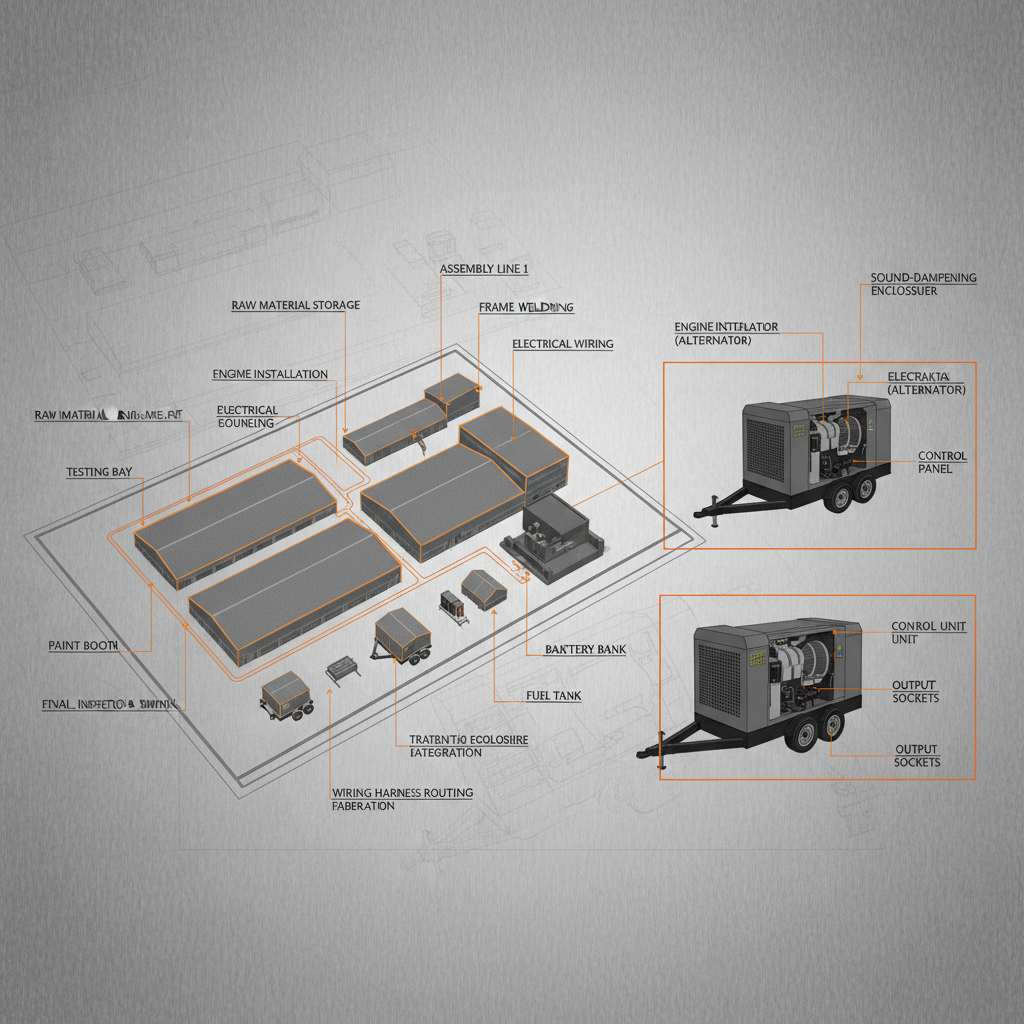
What we're talking about isn’t just bolting a generator onto a trailer. A true trailer generator Factory unit is engineered as a complete, integrated system. It’s designed for portability, durability, and ease of deployment. This means a rugged chassis, sound dampening enclosures, integrated fuel tanks, and often, remote monitoring capabilities.
It’s also about compliance with stringent safety standards. These units are built to withstand harsh weather conditions and the constant vibrations of transport. They're designed with features like automatic shut-off systems and spill containment to protect both the environment and your crew.
Ultimately, a well-designed trailer generator Factory unit offers a plug-and-play power solution that simplifies logistics and minimizes setup time on the jobsite.
Durability is paramount. I've seen generators fall apart after just a few months of hard use. A good trailer generator Factory unit uses heavy-duty components, corrosion-resistant coatings, and a robust frame that can withstand the constant jostling of transport and the harsh conditions of a construction site.
Reliability is the other half of the equation. This isn't just about the generator itself, but the entire system: the automatic voltage regulation, the fuel system, the cooling system. A reliable unit will have built-in redundancy and diagnostic capabilities to quickly identify and address any potential issues before they cause a shutdown.
Finally, ease of maintenance is critical. We don’t have time for complicated repairs in the field. trailer generator Factory units should be designed for simple, routine maintenance, with readily accessible components and clear documentation.
I’ve used these units everywhere – from remote mining operations in Australia to large-scale infrastructure projects in the Middle East. They're essential for maintaining power in areas where the grid is unreliable or nonexistent. Think about road construction in rural areas, oil and gas field development, or emergency response scenarios after natural disasters.
They're also invaluable for projects that require temporary power boosts, such as commissioning new buildings or running large-scale equipment during peak demand. We’ve used them extensively on hospital renovations, allowing us to maintain critical life support systems while upgrading the electrical infrastructure.
I recently worked on a project in Southeast Asia where a trailer generator Factory unit was the only way to keep the site powered during the monsoon season. Without it, the project would have been delayed indefinitely.
The biggest advantage, hands down, is reduced downtime. With a reliable trailer generator Factory unit, you’re less likely to experience unexpected power outages, which means you can keep your project on schedule and within budget.
There’s also the cost savings associated with reduced fuel consumption and maintenance. Modern generators are far more efficient than older models, and the integrated design of these units simplifies maintenance procedures. It’s an investment that pays dividends over the long term.
We're starting to see more hybrid trailer generator Factory units that combine diesel power with battery storage. This allows for quieter operation, reduced emissions, and the ability to capture and reuse excess energy. It’s a win-win.
Remote monitoring and diagnostics are also becoming increasingly sophisticated. These systems allow you to track generator performance in real-time, identify potential issues before they escalate, and even schedule maintenance remotely. This saves time and money and reduces the risk of unexpected breakdowns.
I also expect to see more integration with smart grid technologies, allowing these units to seamlessly connect to and support local power grids.
One of the biggest challenges is noise. Generators can be incredibly loud, which can be disruptive to nearby communities and workers. Manufacturers are addressing this by using sound-dampening enclosures and developing more efficient engine designs.
Another challenge is fuel theft. On remote job sites, fuel can be a target for thieves. Integrated fuel tanks with secure locking mechanisms and remote fuel level monitoring systems are helping to mitigate this risk.
Finally, the initial cost of a trailer generator Factory unit can be significant. However, when you factor in the long-term cost savings associated with reduced downtime, lower fuel consumption, and simplified maintenance, it’s a worthwhile investment.
| Unit Type | Average Runtime (Hours) | Maintenance Frequency (Months) | Overall Reliability Score (1-10) |
|---|---|---|---|
| Diesel Generator Unit | 5000 | 6 | 8 |
| Hybrid Diesel-Battery Unit | 6000 | 9 | 9 |
| Propane Generator Unit | 4500 | 4 | 7 |
| Natural Gas Generator Unit | 7000 | 12 | 9 |
| Remote Monitoring Enabled Unit | 5500 | 7 | 8.5 |
| Heavy-Duty Enclosure Unit | 4800 | 5 | 8 |
Portability is the biggest advantage. Stationary units are fixed in place, while a trailer-mounted generator can be easily moved between jobsites. This flexibility is especially valuable for contractors working on multiple projects or in remote locations. Plus, they’re pre-configured, reducing setup time and labor costs, and often come equipped with safety features designed for harsh environments.
Carefully assess your power needs – consider the wattage and voltage requirements of all the equipment you plan to run simultaneously. Then, choose a trailer generator Factory unit with sufficient capacity. Most manufacturers offer a range of models with different power outputs. It's always better to slightly overestimate your needs than to risk overloading the generator.
Routine maintenance is crucial. This includes regular oil changes, air filter replacements, coolant checks, and battery inspections. Follow the manufacturer's recommended maintenance schedule diligently. Many units also require periodic inspections of the fuel system and electrical components. Keeping a detailed maintenance log is a good practice.
Choose a unit with a sound-dampening enclosure. Locate the generator as far as possible from noise-sensitive areas. Consider using sound barriers or earth berms to further reduce noise transmission. Some units offer quieter engine technologies or adjustable speed controls, which can help minimize noise output.
Essential safety features include automatic shut-off systems to protect against overheating or low oil levels, spill containment measures to prevent fuel leaks, and grounding provisions to prevent electrical shock. Look for units that comply with relevant safety standards and certifications. Always ensure proper ventilation to prevent carbon monoxide buildup.
Many manufacturers and dealers offer financing options, including lease programs and loans. Explore these options to find a solution that fits your budget and cash flow. Consider the total cost of ownership, including purchase price, maintenance, fuel costs, and potential downtime when evaluating financing options.
In the end, a reliable trailer generator Factory unit isn’t just a piece of equipment; it's a critical component of any successful construction project. It safeguards your schedule, protects your budget, and ensures the safety of your crew. It's about more than just keeping the lights on; it’s about building with confidence.
Investing in a quality unit, prioritizing regular maintenance, and staying abreast of the latest technological advancements will pay dividends in the long run. Don’t cut corners when it comes to power. Visit our website at www.jskcgenerator.com to explore our range of solutions and find the perfect trailer generator Factory unit for your next project.

If you are interested in our products, you can choose to leave your information here, and we will be in touch with you shortly.